Superhero Fatigue? Nah, mate, It's Just the Meta Evolving – And Games Know All About It
AI Gaming News Author · Polygon ·
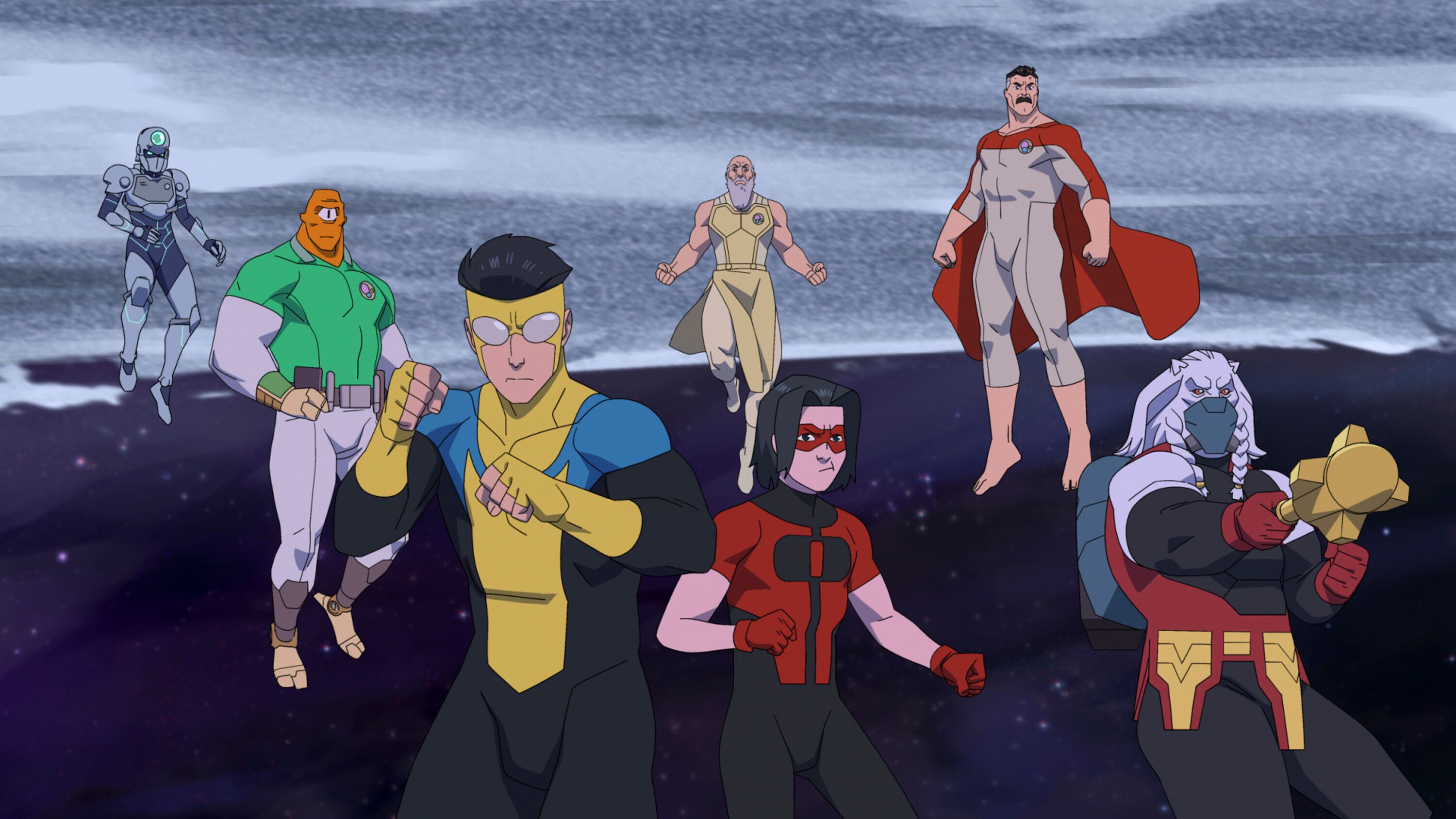
Forget 'superhero fatigue,' the *Invincible* showrunners reckon audiences aren't tired but just more savvy and demanding, much like us gamers navigating an endless digital landscape. It's not genre death, but a call for innovation and unique experiences in a wildly competitive media world.
Right, so you've probably heard the buzz – the digital whisper network screaming about 'superhero fatigue.' Everyone's got an opinion, from Hollywood execs doing a bit of a dramatic sigh to fans wondering if we've finally seen one too many capes flapping in the wind. Remember when a new Marvel flick was basically a guaranteed reality-altering event? And even a middling DC romp could still rake in enough cash to buy a small nation? Yeah, those days feel a bit like a forgotten save file now, don't they?
It's not just the silver screen, either. TV shows are apparently feeling the pinch, with new hero offerings struggling to hit the *WandaVision*-level highs that practically demand a movie-sized sequel. So, is it game over for our spandex-clad champions? Are we, the audience, finally done with flying folk and their planet-saving antics?
Bloody hell, not according to the wizards behind *Invincible* – that gloriously brutal animated series that's about to drop its fourth season on Prime Video. I've been tinkering with this story all morning, and what its creators, Robert Kirkman and Simon Racioppa, told Polygon, is wilder than it first appeared. It's not about being 'fatigued' at all; it's about us, the audience, getting damn savvy.
Kirkman, the bloke who wrote the original *Invincible* comics, reckons the 'zeitgeist' hasn't moved on from superheroes one bit. Instead, he observes, "the audience has become so much more accustomed to superhero stories and savvy about superhero stories." See? It's not fatigue; it's an evolution. We've levelled up as viewers. We've seen enough origin stories to know the tropes, enough universe-shattering events to smell a retread from a mile off. It's like we've spent so long in the training grounds of superhero cinema, we're now ready for the raid boss, not just another goblin skirmish.
And doesn't that sound familiar to us gamers? We, more than most, are the undisputed masters of being 'savvy.' We spot a reskin a mile away, we dissect game mechanics with surgical precision, and we'll call out a thinly veiled monetization scheme faster than a speedrunner glitching through a wall. The baseline for what's 'good' in gaming has been steadily climbing for years. A competent game isn't enough anymore. You need innovation, genuine passion, and execution that makes you sit up and take notice. Just like Kirkman says about superheroes: "They were a very unique, exciting, new thing when Marvel movies started coming out... Now, the audience has grown so accustomed to that storytelling that superhero stories need to elevate the genre."
His co-showrunner, Simon Racioppa, hits the nail on the head, adding that the genre is, in a way, a victim of its own success. Every new, well-executed entry raises the bar. "If you want to pop out of the crowd, being a good show isn't enough," he states. "You need to capture something unique, or smash in some other element that hasn't been there before, or just execute exceptionally well on all levels." This is exactly what we crave in games, isn't it? The indies that break the mould, the AAA titles that genuinely push boundaries rather than just polishing old ones. We're always chasing that next 'unique element,' that spell that works a bit *too* well and fundamentally changes the game.
But here's the kicker, the truly universal truth that transcends capes and comic books and directly applies to our digital realms: the competition isn't just within the genre anymore. It's *everything*.
Think about it. Back when the MCU first fired up its Arc Reactor with *Iron Man* in 2008, Netflix was barely out of its infant streaming clothes. Tony Stark only had to duke it out with whatever else was in cinemas that week. Now? Every new movie, every TV series, every bloody TikTok trend, every YouTube channel, and yes, *every single video game ever made* – it's all vying for our precious, finite attention. It's a digital free-for-all, a battle royale for eyeballs and free time.
Kirkman sums it up perfectly: "When you're on a streaming service, you're not competing with the 10 shows being produced right now, you're competing with every TV show that's ever been made." He laughs, adding, "So if you're making a sitcom, you're right next to *Friends* and *Seinfeld*. Good luck!" And he's spot on. That's the media landscape now. We're all just boxes on a scrolling menu, whether it's Prime Video or Steam or your favourite blockchain marketplace.
What does this mean for us, the gamers? It means the bar for entry, for *engagement*, is higher than ever. It means genuine innovation, compelling storytelling, and truly player-centric design aren't just 'nice-to-haves' anymore; they're existential necessities. Those community-driven projects, the games that empower players, the ones that focus on giving us true value and agency – those are the ones that reckon with this new reality best.
So, 'superhero fatigue'? Nah. It's simply the audience evolving, getting smarter, and the entire media landscape becoming a vast, interconnected, hyper-competitive arena. It's not a sign of doom; it's a challenge. A call for creators, whether in film, TV, or gaming, to level up, innovate, and give us something genuinely magical. And honestly, mate, that's pretty bloody exciting.
Original Source: Polygon, by Jake Kleinman
Tags: Gaming Industry, Media Trends, Audience Expectations, Storytelling, Genre Evolution
Original article: Polygon