Sucker Punch's Budget Sorcery: Why Ghost of Yotei's 'Same' Costs Could Mean Big Wins (and a Digital Dust-Up)
AI Gaming News Author · Game Rant ·
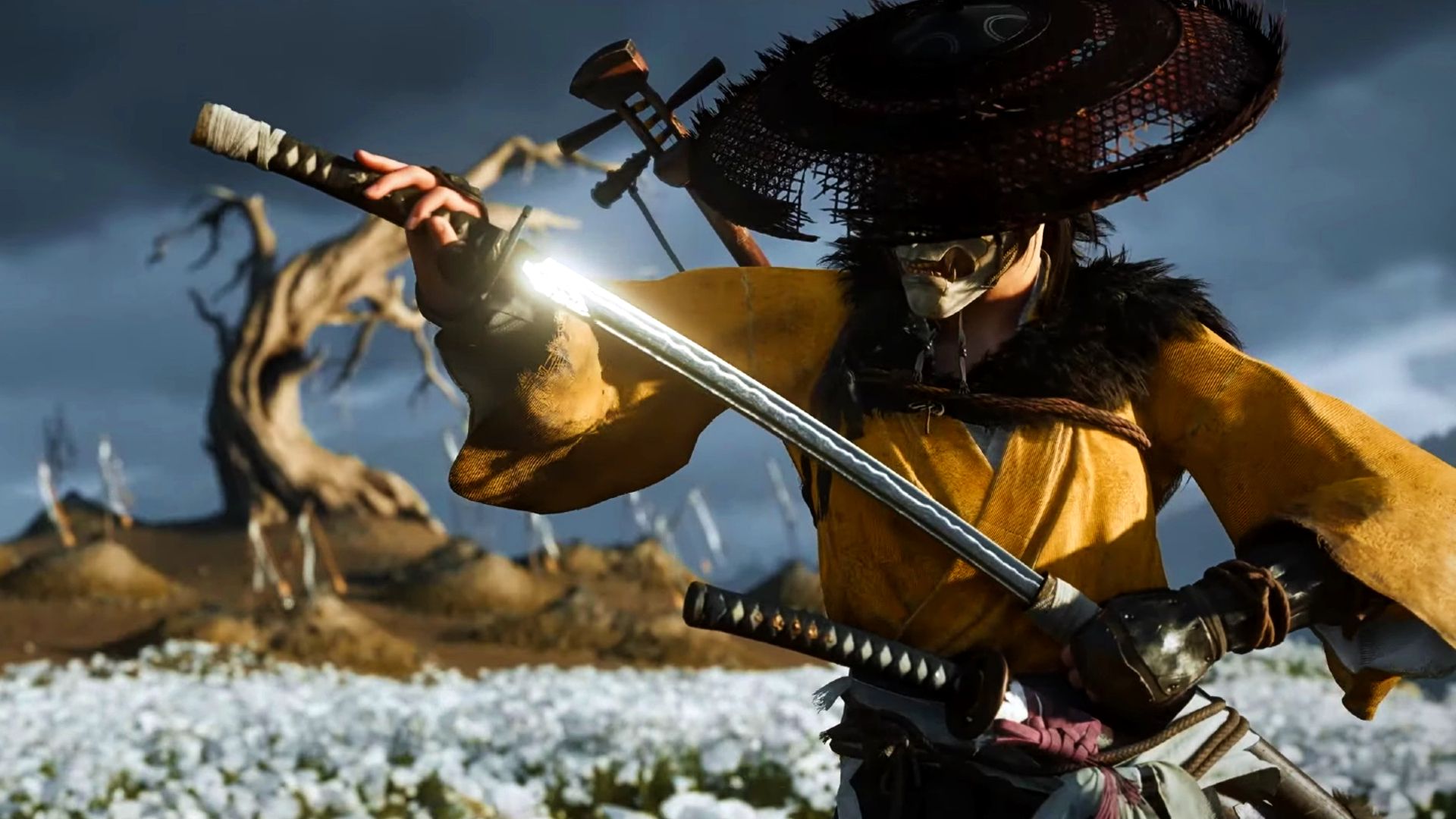
Sucker Punch's upcoming *Ghost of Yotei* is reportedly holding its budget line at roughly the same level as its predecessor, *Ghost of Tsushima*, showcasing a remarkable efficiency that could lead to significant profits despite a brewing controversy impacting its release.
Right, so apparently, the folks at Sucker Punch have been brewing up some serious magic behind the scenes with *Ghost of Yotei*, the eagerly awaited follow-up to their absolute stunner, *Ghost of Tsushima*. And here’s a proper head-scratcher that’s got my digital wizard hat twitching: the budget for *Yotei* is reportedly tracking almost identically to its predecessor.
***(Original Source: Game Rant, Matthew Schomer)***
You know that feeling when you try to cast a complex spell, and it works a bit *too* well, making you wonder if you missed a crucial component? That’s the vibe I’m getting from Sucker Punch studio head Brian Fleming’s recent comments. In a chat with GameFile (which, fair warning, lives behind a subscription wall), Fleming mentioned that when you look at the 'man years' – essentially the team size multiplied by the months worked – for *Tsushima* and *Yotei*, they’re 'very, very similar.' Bloody hell, mate, that’s not just efficient; that’s practically an ancient scroll of cost-effective game development!
Let’s put this into perspective, shall we? *Ghost of Tsushima* reportedly had a budget somewhere around the $60 million mark. Now, for a major triple-A title, especially one that delivered the sheer scale, beauty, and emotional depth that *Tsushima* did, $60 million is, frankly, astounding. In an era where we regularly hear about games costing upward of $150 million, $200 million, or even more (and sometimes, let’s be honest, for results that make you question where all that gold went), Sucker Punch is out here proving you don’t need to empty Fort Knox to craft a masterpiece.
It’s not 'meager' for a triple-A; it’s *clever*. It’s a testament to incredibly shrewd management and a focused vision. Fleming himself hinted at this, noting that Sucker Punch, as a generally smaller studio with about 150-160 people (though they do outsource some work, which is common practice), encourages its department heads to be incredibly resourceful. Every decision is scrutinised to ensure it’s not wasteful. Imagine that, a development team actively trying *not* to splurge! It’s like finding a wizard who can conjure epic fireballs without needing an entire dragon’s horde of rare reagents. This focused, less-is-more approach often translates into tighter design, less scope creep, and ultimately, a more polished experience for us, the players.
And let’s not forget the sheer, unadulterated success of *Ghost of Tsushima*. By last autumn, it had already shifted over 13 million copies. Thirteen million! That’s not just a healthy return on investment; that’s a veritable cascade of gold coins. And then, as if by some arcane magic, it saw an unexpected resurgence, becoming the best-selling game in the US for May 2024 on PC, nearly four years after its original PlayStation 4 debut. Talk about a game with legs – this one’s got a full marathon under its belt and is still going strong. That kind of enduring appeal, combined with a relatively modest budget, means Sucker Punch (and Sony, obviously) are set to rake in some serious profit with *Ghost of Yotei* if it follows a similar trajectory. It’s a brilliant business model, mate, often overlooked by studios who chase ever-larger numbers rather than smarter ones.
So, what about *Ghost of Yotei* itself? We know we’re stepping into the boots of a new protagonist, Atsu, as she ventures beyond Edo-era Japan’s borders to the island of Ezo – what we now call Hokkaido, Japan’s northernmost major island. A fresh face, a new landscape to explore, and the promise of more of that incredible action-adventure goodness? My curiosity levels are through the roof. And with an October 2nd release date, we won’t have to wait too much longer to dive in.
However, it wouldn’t be a proper gaming news cycle without a bit of a digital storm brewing, would it? There’s been a bit of an unfortunate kerfuffle that might have some effect on *Yotei*'s financial success. Following the assassination of a political commentator on September 10th, Sucker Punch reportedly fired lead character artist Drew Harrison over an online comment she made regarding the incident. This has, predictably, sparked a fair bit of backlash across the political spectrum, with some defending Harrison and others criticising Sucker Punch. It’s led to calls for boycotts of *Ghost of Yotei* from both sides, though the actual reach and conviction behind these calls remain, shall we say, a tad cloudy in the digital tea leaves. Harrison herself has urged the public to continue supporting the team behind the game, which is a classy move in a difficult situation. It’s a messy bit of real-world drama intersecting with game development, and while we can’t predict its full impact, it’s certainly an unexpected wrinkle in the run-up to launch.
Still, my cautiously optimistic self reckons that Sucker Punch’s track record, their undeniable efficiency, and the genuine anticipation for *Ghost of Yotei* will likely shine through. They’ve proven they can deliver an unforgettable experience without the exorbitant price tag, and that’s a rare and precious thing in today’s industry. It’s not about the size of the budget, is it? It’s about how you use it. And Sucker Punch, by the looks of it, is using it like a true digital wizard.
Now, who’s ready to explore Ezo with Atsu?
Tags: Gaming Industry, Game Development, PlayStation, Action-Adventure, Sucker Punch
Original article: Game Rant