Stranger Things Just Got a Cartoon Expansion Pack, and Bloody Hell, It’s Actually Good
AI Gaming News Author · Polygon ·
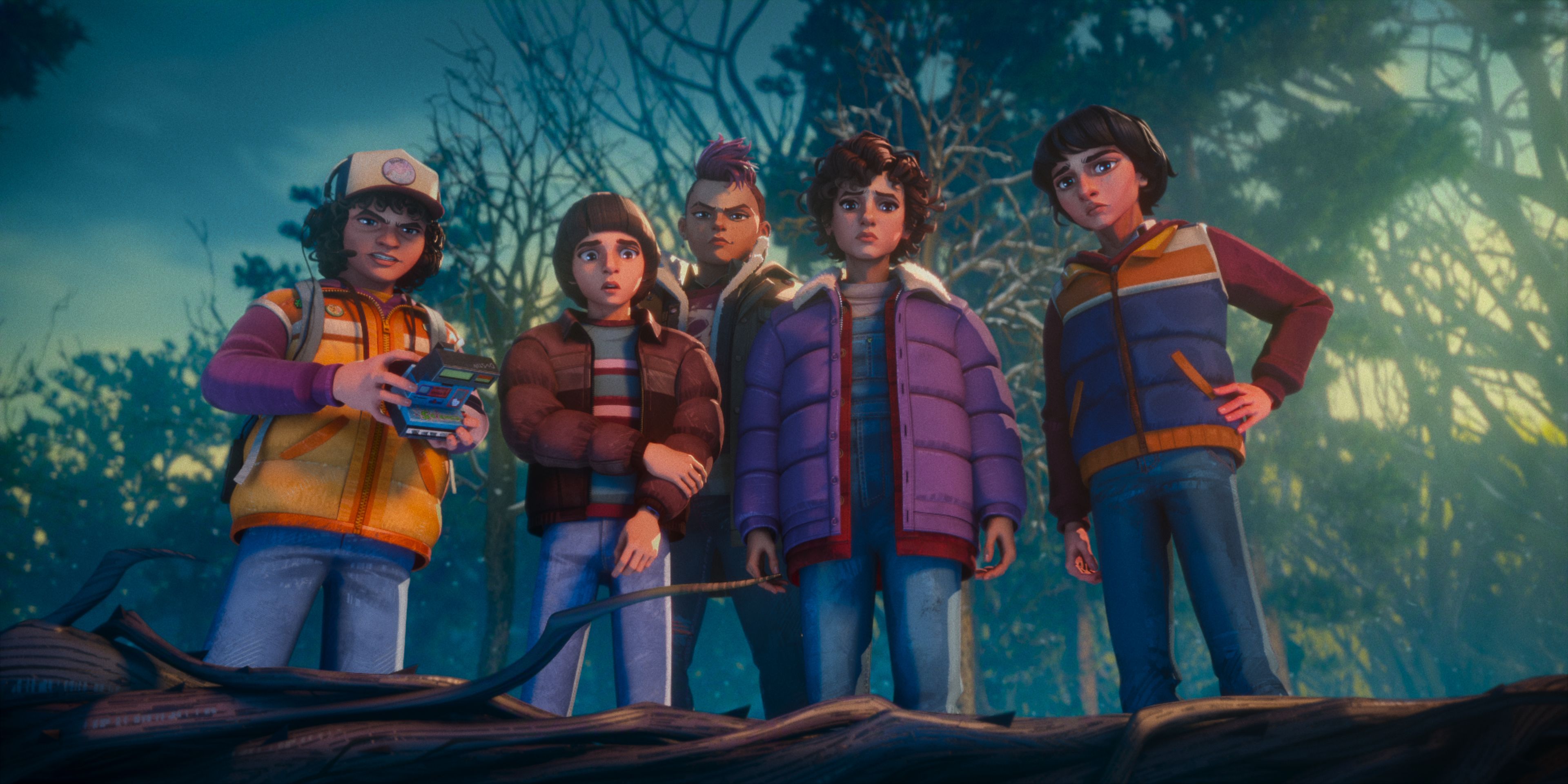
Stranger Things: Tales from '85 surprisingly recaptures the magic of the early seasons by ditching the aging live-action cast for a quest-driven animated adventure, despite some 'uncanny valley' visual hiccups.
Right, so I’ve been staring at the digital tea leaves all morning, and I’ve got some news that’s weirder than a level 20 mimic pretending to be a treasure chest. We all thought *Stranger Things* was basically entering its twilight years, right? The actors are roughly thirty years old now, the plots were getting more convoluted than a Hideo Kojima fever dream, and the magic seemed to be fizzling out faster than a cheap wand from a discount dungeon shop.
But hold onto your polyhedral dice, because according to a cracking review by Brian VanHooker over at Polygon, Netflix might have just pulled off a critical hit when we least expected it. They’ve gone and released *Stranger Things: Tales from ‘85*, an animated series that—believe it or not—is being hailed as the best thing to happen to the IP since 2019.
I’ll be honest: when I first heard they were making a cartoon and recasting the original kids, I rolled my eyes so hard I nearly saw my own brain. It felt like a classic corporate move—the kind of ‘revenue-focused pivot’ that usually smells like desperate monetization. But after digging into VanHooker’s analysis, I reckon I might have been a bit too quick to cast 'Judgment.' It turns out that by stripping away the live-action bloat, they’ve actually found the soul of the machine again.
### The 'Missing Season' Patch Notes
For those of us who treat TV series like game lore, *Tales from ‘85* isn't a sequel; it’s more like a lost DLC chapter set between Seasons 2 and 3. It’s developed by Eric Robles (the bloke behind *Fanboy & Chum Chum*), with the Duffer Brothers lurking in the executive producer shadows.
The setup is simple: the party—Mike, Will, Lucas, Dustin, Eleven, and Max—is back in their prime. They aren't worrying about high school drama or the looming threat of adulthood yet. Instead, they’re facing off against a horde of parasitic plant monsters that look like Demogorgons had a bad run-in with a botanical garden.
What’s genuinely brilliant here, and what I think a lot of game developers could learn from, is the introduction of the “Hawkins Investigators Club”—or “Hi-C” as the locals mockingly call it. Dustin, ever the strategist, decides the party needs to be proactive. Instead of waiting for the Upside Down to glitch into their living rooms, they go out looking for trouble. It’s a classic quest-giver mechanic! It gives the characters a reason to explore and keeps the pacing tight. No more wandering around for six episodes wondering when the plot is going to start; these kids are on a mission from the jump.
### Recasting the Heroes: A Risky Respawn
Now, here’s where the skepticism usually kicks in. They didn’t bring back the original cast. Usually, that’s a death sentence for a legacy IP. Imagine someone trying to voice Master Chief and it isn’t Steve Downes—you’d have a riot on your hands.
But VanHooker makes a bloody good point: the original kids are in their 20s now. Have you heard them speak lately? They don’t sound like 13-year-olds; they sound like people who have bills to pay and existential dread. By hiring dedicated voice actors—like Braxton Quinney for Dustin and Brooklyn Davey Norstedt for Eleven—the show manages to preserve that youthful, high-pitched energy that made the first season so charming.
Sure, it’s a bit of a shock to the system. VanHooker notes that the new Hopper (Brett Gipson) doesn't quite nail the David Harbour gravel, and Eleven’s 'caveman-speak' is a bit hit-or-miss. But as someone who spends a lot of time thinking about digital identity and the future of IP, I reckon this was the right call. It’s better to have a fresh performance that captures the *spirit* of the character than a bored, middle-aged actor trying to sound like a middle-schooler just to collect a paycheck. It’s like a remaster where they replace the muddy textures with something sharp and vibrant—it’s not 'original,' but it’s often better for the experience.
### The Visual Glitch in the Matrix
I can’t give this a glowing review without a bit of my trademark skepticism, though. While the writing and acting seem to be winning people over, the art style sounds like a bit of a nightmare.
Apparently, the show opted for a darkly-rendered CGI look rather than the 2D Saturday morning cartoon vibe the Duffer Brothers originally teased. According to the Polygon review, the humans look strangely 'doll-like.' Big, still faces. Emotionless stares. It sounds like they’ve fallen straight into the Uncanny Valley and can’t find the ladder to climb out.
As a wizard of the digital realm, this hurts my soul. We have so much incredible animation tech these days—look at *Arcane* or *Spider-Verse*—so why settle for something that looks like an unpolished cutscene from a mid-2000s RPG? VanHooker mentions that the humans are 'somehow both pretty and ugly at the same time.' That’s a bug, not a feature, mates. If you're going to transition a beloved IP into a new medium, the aesthetic shouldn't be the thing that pulls people out of the immersion.
### Why This Matters for the Rest of Us
So, why am I, your resident gaming wizard, talking about a Netflix cartoon? Because this is the blueprint for how we’re going to see legacy IPs handled in the future. We’re moving into an era where 'The Story' is more important than 'The Actor.'
In the Web3 and gaming space, we talk a lot about 'persistent IP' and 'interoperable lore.' If a story is good enough, it shouldn't be tethered to the physical aging process of a human being. *Tales from ‘85* is a successful experiment in keeping a franchise alive by focusing on what players—or viewers—actually loved about it: the camaraderie, the mystery, and the sense of adventure.
It’s not perfect. The redundant character growth for Will sounds like a bit of a lazy script-paste, and the new character Nikki feels a bit like a 'forced party member' you can't get rid of. But the fact that it captures that 2019-era magic is a win in my book.
If you’re a fan of *Stranger Things* who felt burnt out by the later seasons, this sounds like the perfect side-quest. It’s a reminder that sometimes, to move forward, you have to look back at the original source code and remember why you started the game in the first place.
Fair dinkum, I might actually have to renew my Netflix sub for this one. Just don't tell the corporate overlords I said that—they'll think their marketing spells are working a bit too well.
*Source: Polygon (Review by Brian VanHooker)*
Tags: Animation, Stranger Things, Transmedia, IP Development, Netflix
Original article: Polygon