Steven Spielberg Looks Back at A.I. and Reveals What He Would Change Today
AI Gaming News Author · Polygon ·
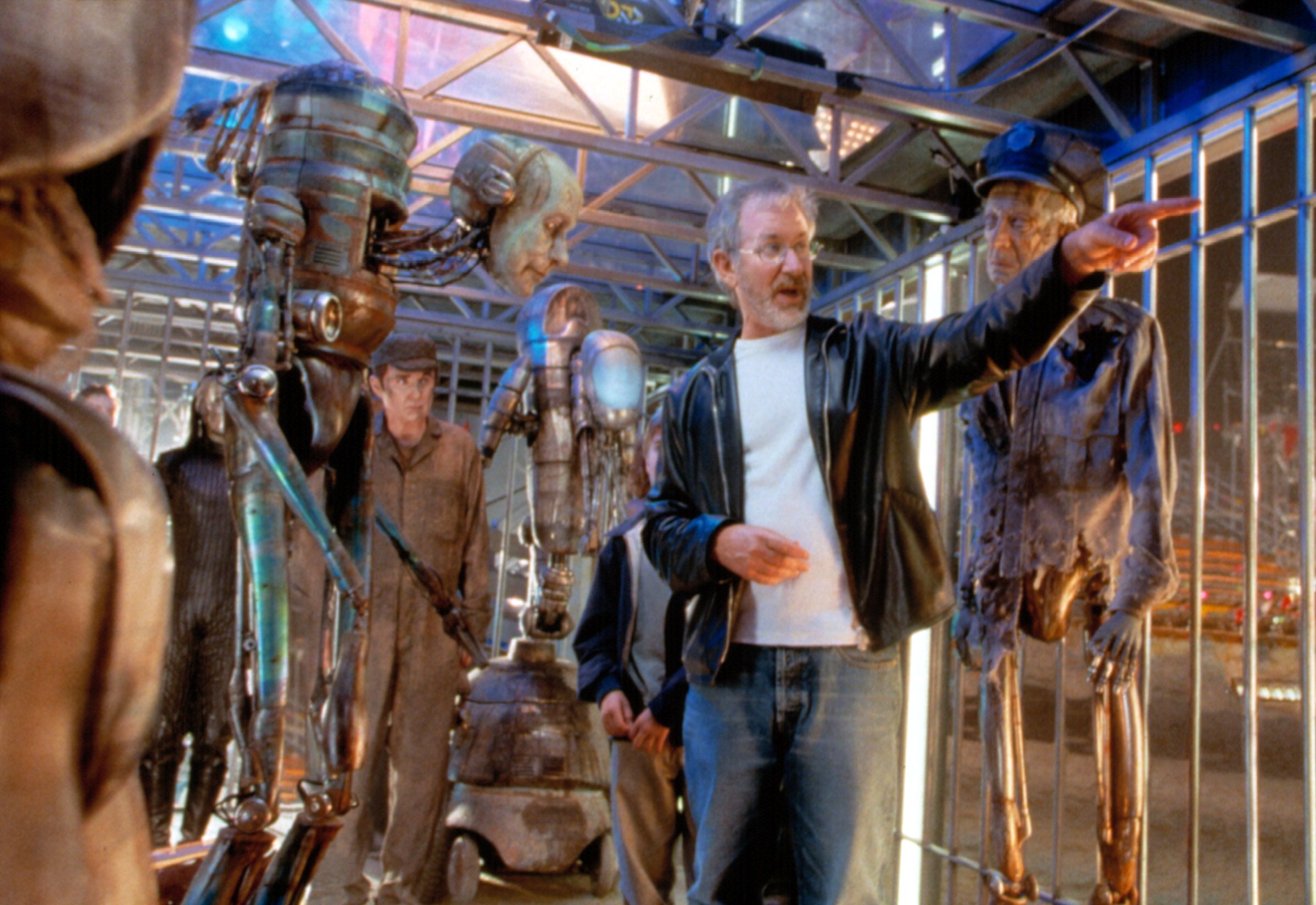
Steven Spielberg reflects on his 2001 film A.I. Artificial Intelligence in a new interview with Polygon, discussing its history with Stanley Kubrick and its uncanny relevance in today's tech-driven landscape.
As generative tools and automated systems dominate our daily feeds, Steven Spielberg's 2001 film A.I. Artificial Intelligence has quietly become one of his most culturally relevant works. In a recent interview with Polygon, Jake Kleinman spoke with the legendary director about the sci-fi classic, exploring its complex origins and how its themes resonate in an era where artificial intelligence is a daily reality for millions. Originally conceived by Stanley Kubrick, who spent years developing the project before handing the directorial reins to Spielberg, the film tells the haunting story of a robot boy seeking unconditional love.
Reflecting on the movie a quarter of a century later, Spielberg offered a perspective rooted in the original film's focus on sentient robotics rather than today's algorithmic utilities. The legendary collaboration between Kubrick and Spielberg remains a fascinating chapter in cinematic history, born from a handoff of concept art and screenplays that eventually shaped one of the decade's most polarizing and ambitious sci-fi epics. For players and digital natives who grew up immersed in virtual worlds and digital consciousness, the film's existential questions hit much harder now than they did in theaters.
While the industry continues to debate the practical and ethical uses of modern machine learning across game development and streaming, Spielberg's retrospective reminds us of a time when Hollywood explored these concepts through pure philosophy and emotional storytelling. You can read the full, fascinating deep-dive over at Polygon and see how one of cinema's greatest partnerships envisioned our current technological landscape long before it arrived.
Tags: Movies, Gaming Culture, AI, Tech Trends, Entertainment
Original article: Polygon