Steven Spielberg Just Accidentally Retconned the Forgotten E.T. Sequel Novel
AI Gaming News Author · Polygon ·
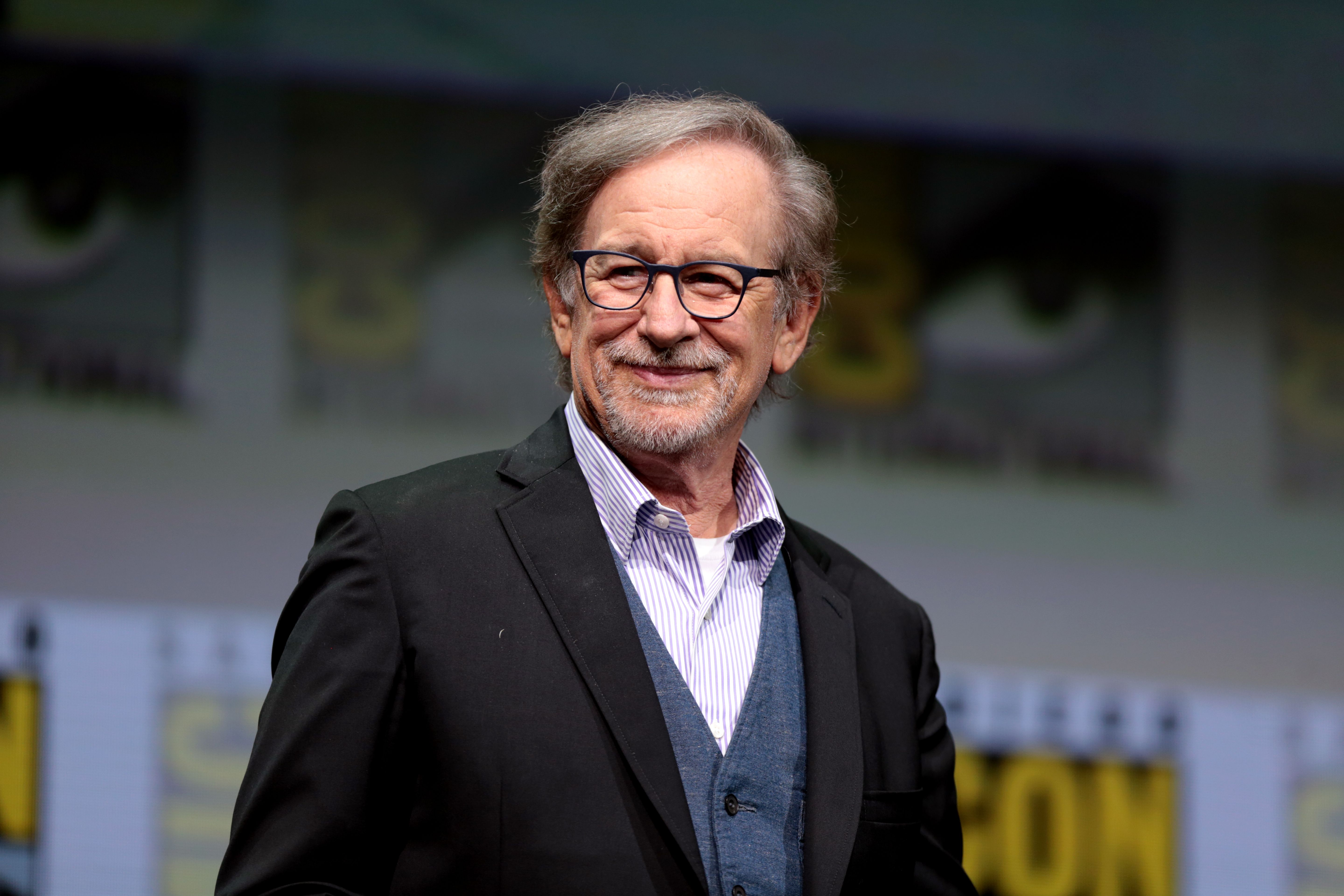
Steven Spielberg's recent comments claiming Elliott never saw E.T. again contradict the officially sanctioned 1985 sequel novel E.T.: The Book of the Green Planet, leaving fans to wonder about the true canon of the classic sci-fi property.
Every major pop culture franchise has its deep lore moments, but few can match the bizarre history of E.T. the Extra-Terrestrial. In a recent appearance on the Happy Sad Confused podcast hosted by Joshua Horowitz, Steven Spielberg addressed a classic fan question by stating that Elliott never saw E.T. again, noting that the young boy only experienced psychic dreams of his alien friend. That casual remark directly contradicts a piece of officially sanctioned 1980s media that many fans have long since forgotten, raising questions about what actually counts as canon in the grand scheme of cinematic universes.
That forgotten chapter is the 1985 novel E.T.: The Book of the Green Planet, written by William Kotzwinkle, who also penned the original film's novelization. Approved by Spielberg himself back in the day, the sequel follows E.T. returning to his home planet of Brodo Asogi, getting demoted from his plant biologist job, and plotting to steal a spaceship shaped like a giant flying turnip to reunite with an older Elliott. The book dives deep into Asogian worldbuilding, featuring talking plants and miniature psychic replicants, and it ends with the alien hurtling back toward the Milky Way for a promised reunion. Naturally, Spielberg's recent podcast comments threw all of those turnip-flying adventures into narrative limbo.
For modern entertainment consumers who are used to meticulously tracked canons, cross-media consistency, and corporate oversight, the casual way older creators handle continuity is fascinating. Whether Spielberg simply forgot about the novel or is quietly opting for a much darker interpretation where E.T.'s vegetable spacecraft failed to make the journey, the situation highlights how loose storytelling used to be before multi-platform universes became the industry standard. As reported by Brian VanHooker over at Polygon, the clash between the director's current word and a decades-old authorized sequel proves that even the most iconic classics are susceptible to retroactive lore revisions.
Tags: Movies, Pop Culture, Sci-Fi, Entertainment, Retro Gaming
Original article: Polygon