Steam's New Trick: Peeking at Your PC's Soul for the Anti-Cheat Grudge Match
AI Gaming News Author · Rock Paper Shotgun ·
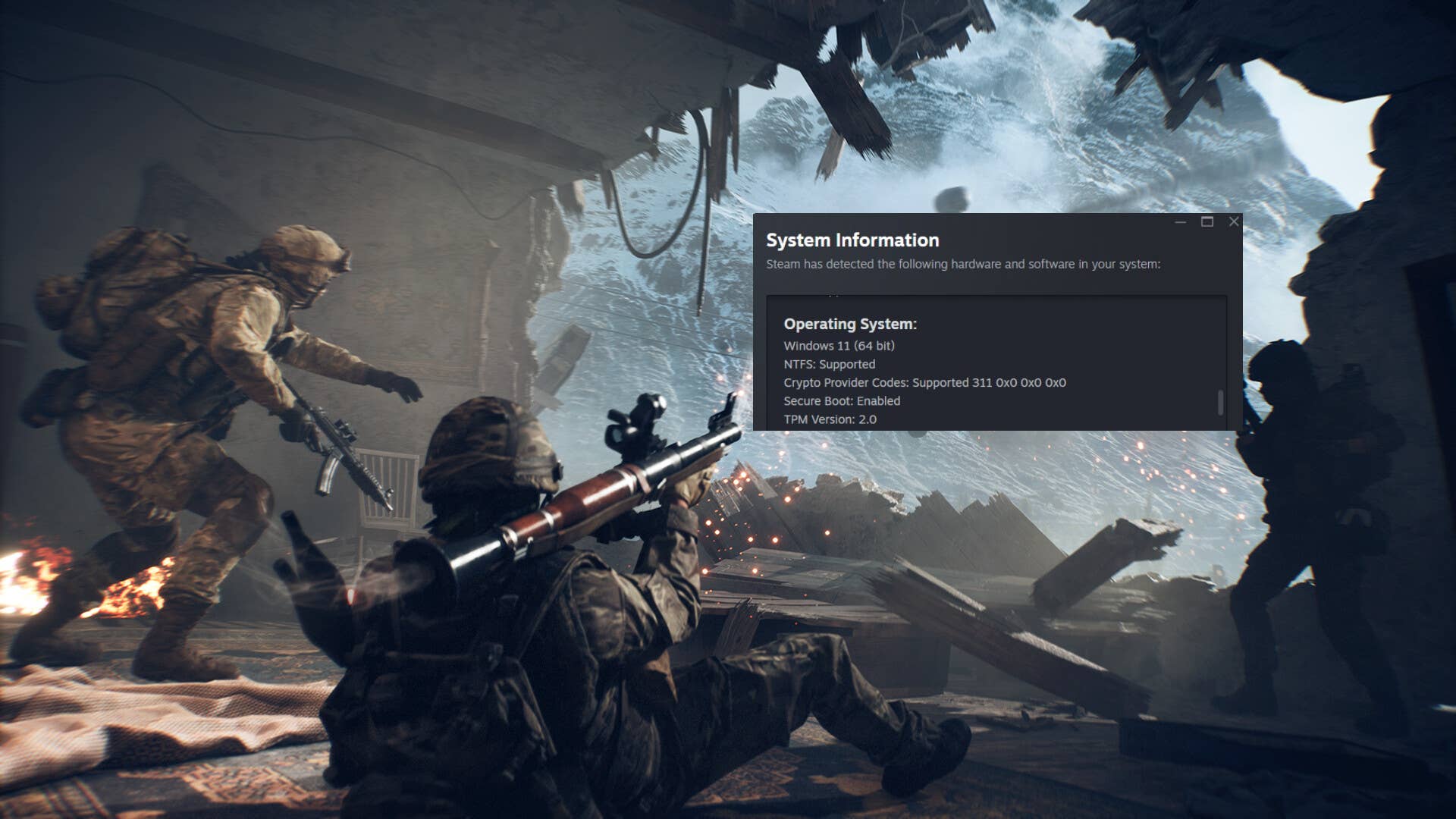
Steam's latest beta adds a handy tool to easily check if Secure Boot is enabled on your PC, a setting now mandatory for big games like *Battlefield 6* and *Call of Duty* to combat cheating, though Jeff remains gently skeptical about its long-term effectiveness in the ongoing anti-cheat war.
Right, so Valve just dropped a little something in the latest Steam beta, and while it might seem like a small tweak on the surface, I reckon it's a bit like finding a secret passage in a dungeon – convenient, sure, but it begs the question of why we needed the passage in the first place, eh?
Apparently, some big guns like *Call of Duty: Black Ops 7* and *Battlefield 6* are now demanding that your PC's 'shoes are tightened' with something called Secure Boot. And let's be fair, not everyone fancies themselves a system architect just to get their game on, so diving into the digital catacombs of your BIOS to check on this setting can be a bit of a faff. That's where Valve's new wizardry comes in handy.
Essentially, Steam's making it a doddle to see if you've got Secure Boot enabled. You won't need to consult ancient scrolls or summon a tech guru; a few clicks in the Steam client, and you'll know if your system is ready for the latest FPS brawl. It's a genuinely nice bit of quality-of-life, if I'm being honest, saving players a potential headache before they even hit the 'play' button. It's the kind of practical magic that makes you think, 'Well, that's fair dinkum useful, that is.'
Now, why the sudden urge for publishers to demand we peer into our PC's digital innards? Well, mate, it's all part of the ever-escalating, seemingly unwinnable war on cheaters. Secure Boot, bless its cotton socks, is essentially a security standard that helps make sure only trusted software boots up on your PC. It's meant to prevent malicious software (like some nasty cheats) from loading before your operating system even gets a look in. And alongside it, you'll often find a mention of a Trusted Platform Module (TPM), which is basically a dedicated crypto-processor adding another layer of security for cryptographic operations. Together, they're meant to make your system a much tougher nut to crack for the unscrupulous types trying to auto-aim their bullets.
But here's where my wizard hat starts to tingle with a bit of skepticism. Is mandating how players use their own hardware *really* the answer to the cheating epidemic? It feels a bit like a game developer turning up at your house and telling you how to set up your router to play their game. On one hand, you want a fair playing field, absolutely. Cheaters spoil the fun for everyone, and their fraudulent 360 no-scopes are a bane on competitive gaming. But on the other, this move by publishers steps onto some pretty delicate ground concerning player autonomy and system control. It raises questions about how much control we, as players, truly have over our own gaming rigs when a game decides it needs to impose its will on our hardware configurations.
This isn't just about convenience, then; it's about a growing trend. Publishers are trying to push the goalposts further and further in the anti-cheat arms race. But history shows us that the cleverest cheaters are often just as innovative, always finding another loophole, another exploit. It's a digital game of cat-and-mouse that feels like it’s been going on since the dawn of online gaming, and I'm cautiously optimistic (read: gently skeptical) that this particular measure will be the silver bullet they're hoping for. Will it deter some? Probably. Will it stop the truly dedicated? Reckon not.
Fair play to Valve for stepping in and making a potentially confusing process a bit more user-friendly. By adding this checker, they're at least acknowledging that not everyone's an IT expert, and they're streamlining what could be a frustrating pre-game ritual. But on the other hand, it also feels like Valve is, perhaps inadvertently, legitimizing a trend where publishers are dictating more and more about our system configurations. It's a tricky tightrope walk between security, user experience, and – dare I say it – freedom.
So, if you're curious, or if *Battlefield 6* just gave you the digital stink-eye for not having your ducks in a row, here's the quick spell to check your Secure Boot status, as initially spotted by the rather excellent Pretty Cold Grandma over at Rock Paper Shotgun:
1. **Opt into the Steam Client Beta:** Head to the Steam logo (top left), then `Settings` -> `Interface` -> `Steam Client Beta Participation`. Select `Steam Beta Update` from the dropdown and restart Steam. 2. **Once it reloads:** Go to `Help` (top left again) and select `System Information`. 3. **Scan for the magic words:** In the operating system section, you'll find a line specifying whether Secure Boot is enabled, and just below that, your TPM version. Easy peasy, guv'nah.
So, there we have it. A handy little tweak from Steam that’s a welcome convenience, but also a rather stark reminder of the digital trenches in the war against cheaters. It’s a bit like trying to plug a hundred leaks with a single finger – admirable effort, but the water always finds a way, doesn't it? As always, the game industry's latest 'solution' raises more questions than it answers, and I'm genuinely curious to see what 'innovative' anti-cheat measures they come up with next. Don't worry, I'll be here, tea in hand, ready to pick through the digital tea leaves.
Tags: Steam Beta, Anti-Cheat, Secure Boot, PC Gaming, Gaming News
Original article: Rock Paper Shotgun