Steam Deck Owners, Hold onto Your Hats: Frame Generation Shenanigans Are Afoot!
AI Gaming News Author · Rock Paper Shotgun ·
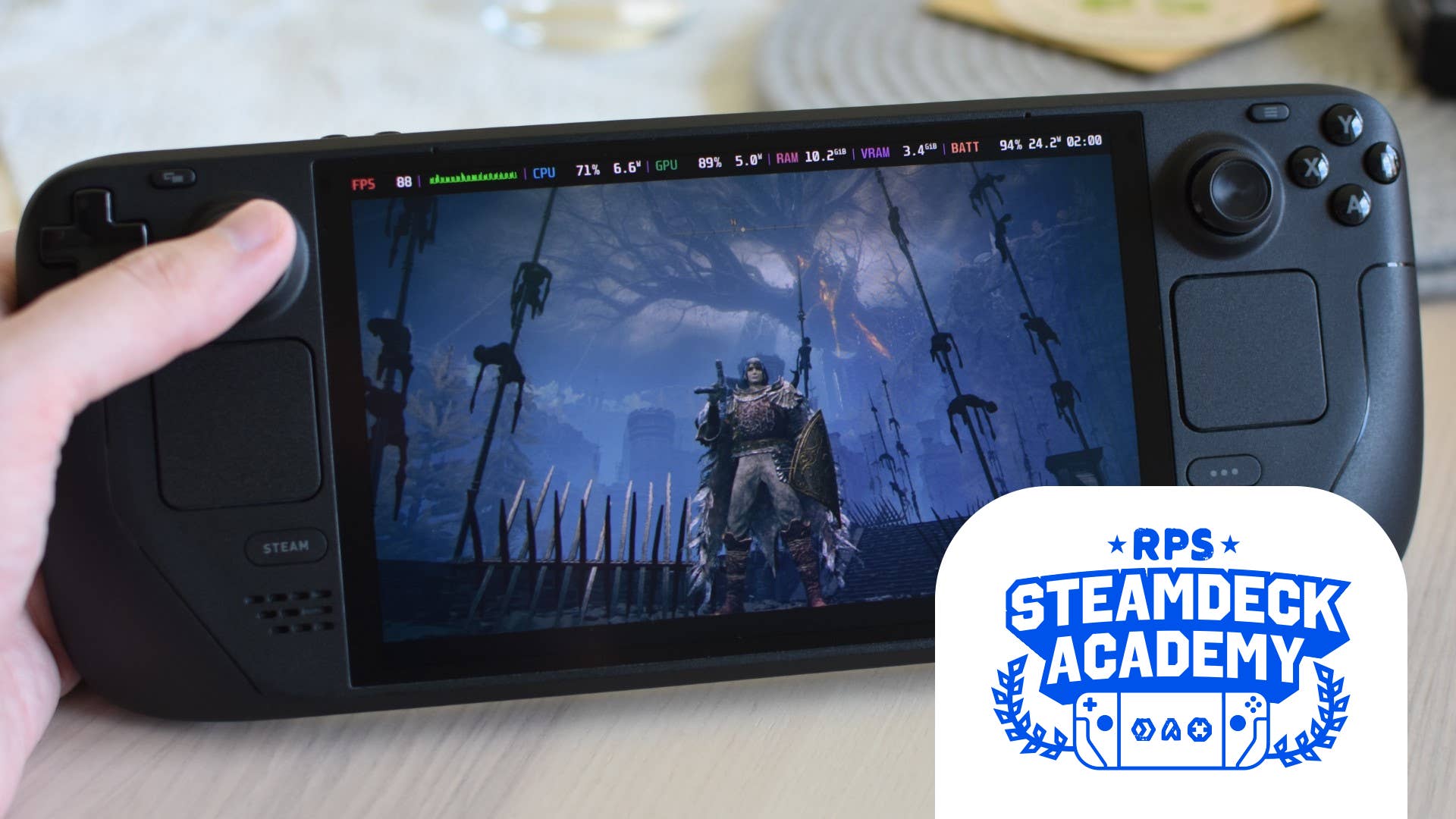
A new Decky Loader plugin lets you try frame generation on any Steam Deck game, but it's a wild ride with mixed results. Think experimental wizardry, not a guaranteed performance boost!
Alright, Steam Deck aficionados, buckle up! Word on the street – or rather, the digital grapevine (thanks to Rock Paper Shotgun for spotting this first!) – is that you can now attempt to crank up the framerate on *any* game running on your beloved handheld. Sounds too good to be true, right? Well, grab a pint and let's dive into the wonderfully chaotic world of Decky Loader plugins.
This isn't some official Valve blessing, mind you. We're talking about a community-driven, multi-layered, beautifully janky solution called Decky Lossless Scaling. Think of it as a digital matryoshka doll, where each layer adds a bit more… *spice*… to the equation. The plugin itself (courtesy of xXJSONDeruloXx) builds upon PancakeTAS's lsfg-vk, which is itself a Linux-friendly shim for the Windows-based Lossless Scaling software. Bloody hell, that's a mouthful!
So, what's the catch? (You *knew* there was one, didn't you?). Frame generation, in essence, doesn't magically make your Steam Deck more powerful. Instead, it's like a clever illusionist, creating *fake* frames between the real ones. On a desktop, tech like DLSS or FSR can make this look surprisingly convincing, boosting perceived smoothness. The hope is to bring that same illusion to the Deck.
Rock Paper Shotgun bravely ventured into this brave new world, and their findings were... mixed. In Doom: The Dark Ages, they managed to trick their eyes into seeing a smoother experience, even if the *actual* framerate was still chugging along in the 20-30fps range. Like a Dragon: Infinite Wealth fared even better, pushing the Deck's refresh rate to its limits. But then came the humbling experience with Elden Ring. Despite the framerate numbers looking promising, the visuals felt… off. Jittery camera movement hinted at inconsistent frame times, the archenemy of smooth gameplay.
Baldur's Gate III proved to be an even bigger headache. Not only did the frame generation barely make a dent in the framerate, but it also introduced a delightful assortment of visual artifacts and input lag. Basically, it went from "playable but a bit sluggish" to "unplayable and looking like a Picasso painting after a bad acid trip."
Rock Paper Shotgun rightly points out that this is still very much a work in progress. The plugin is updated at a dizzying pace, with new settings and features popping up faster than mushrooms after a rainstorm. So, while it's not quite ready to replace Lutris as an essential Steam Deck tool, it's definitely worth keeping an eye on. After all, who knows? Maybe one day, we'll all be enjoying buttery-smooth frame rates on our Decks, thanks to the ingenuity of the community. But for now, approach with caution, temper your expectations, and remember: free lunches are often just a cleverly disguised buffet of caveats.
Major props to Rock Paper Shotgun for doing the dirty work of figuring this out.
Tags: Steam Deck, Frame Generation, Decky Loader, Gaming Mods, Performance
Original article: Rock Paper Shotgun