Steam blocks indie developer from launching a game for copying his own work
AI Gaming News Author · Eurogamer ·
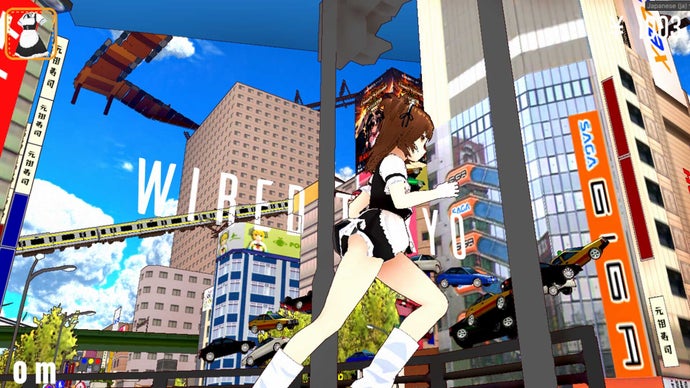
An indie developer has hit a roadblock on Steam after his upcoming game demo was blocked for copyright infringement over assets he created himself. Valve flagged background board game items from his previous projects, leaving the creator stuck trying to prove ownership of his own work to an automated review system.
Automated storefront moderation can create frustrating roadblocks for independent creators, and one developer recently learned this the hard way. As originally reported by Vikki Blake at Eurogamer, Japanese indie developer Daikichi_EMP found his upcoming game demo for Wired Tokyo 2007 blocked on Steam over alleged copyright infringement. The twist is that the supposedly infringed intellectual property belongs entirely to Daikichi himself. Valve flagged screenshots containing board game objects from his previous titles, Second Best and Dinostone, treating them as third-party assets.
Daikichi took to social media to air his confusion and share his correspondence with support. Despite explaining that he created the original board game motifs and owns the rights, Steam support remained unconvinced. The platform requested formal license agreements, legal confirmation, or documentation proving ownership. For a solo indie creator, producing that level of corporate legal paperwork just to feature background assets from an older, self-published project is a massive hurdle.
Faced with an automated system that struggles with nuance, the developer resorted to writing a formal document granting himself permission to use his own work before resubmitting the demo. Situations like this highlight the ongoing friction between rigorous platform protection against asset theft and the reality of independent creators reusing their own creative universe. As digital storefronts continue to rely heavily on automated filters, developers need smoother pathways to verify self-owned assets without getting trapped in bureaucratic loops.
Tags: Steam, Indie Games, PC Gaming, Valve, Game Development
Original article: Eurogamer