Star Wars Visions: When Japanese Myth Met the Force, and Blew Our Minds
AI Gaming News Author · Polygon ·
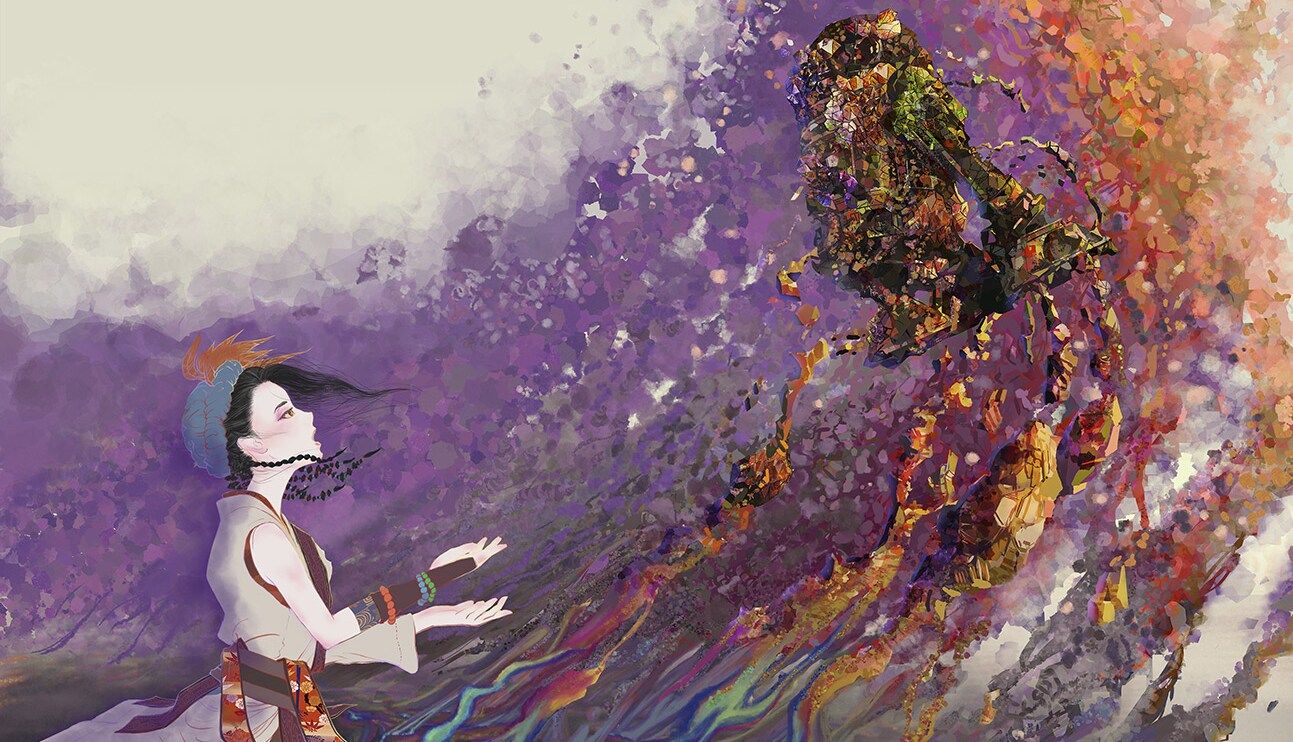
Director Tadahiro Yoshihira of *Star Wars Visions: The Bird of Paradise* spills the beans on how his team beautifully reimagined the Force and Sith by blending ancient Japanese mythology with Star Wars lore, crafting a stunning narrative that's all about perception and spiritual growth. Forget your old Force notions, mate, this short treats Midi-chlorians as the very fabric of a constantly shifting, visually breathtaking world seen through a blind Padawan's inner eye.
Alright, gather 'round, mates, because we need to chat about something properly brilliant from the depths of the galaxy far, far away – specifically, *Star Wars: Visions* Season 2. Remember that buzz when the first season dropped, proving Star Wars could be just about anything? Well, Season 2 doubled down, and one entry, *The Bird of Paradise*, just absolutely soared.
Big thanks to Aimee Hart over at Polygon for snagging the chat with director Tadahiro Yoshihira, because what they've cooked up here is frankly, a bit of digital wizardry. This isn't your standard lightsaber duel; it’s a whole different beast, a 3D-animated short from Polygon Pictures that throws a blind Jedi Padawan into a spiritual wringer, steeped in ancient Japanese mythology. And trust me, it’s a visual feast.
Now, Yoshihira made it clear they weren't just trying to ape *The Clone Wars* (though Polygon Pictures did some work on that, funnily enough). Nah, the goal was 'unprecedented originality.' And by Jove, they delivered. The big question from Polygon was about those stunning visuals, right? And Yoshihira’s answer? They wanted to 'visualize the Force as an image.' Not just pretty pictures, mind you, but something that strengthens the *storytelling* and conveys the heroine's emotions. Imagine the Force not just as a glowy aura or a subtle nudge, but as the actual lens through which a blind character perceives a fantastical, shifting world. Bloody brilliant, that.
And get this: they leaned into the Midi-chlorians concept – yes, *those* Midi-chlorians – but twisted it. Instead of microscopic lifeforms, they depicted 'unreal phenomena' as 'aggregations of minute particles and inorganic matter.' Basically, the Force isn't just a superpower; it's the very fabric of reality bending and shimmering around our hero, Nakime, based on her psychological state. It’s like a cosmic art installation, constantly morphing, inspired by master paintings from across the globe. Who needs a vision cone when you've got *that* going on?
Then there's the Sith character. Now, you’d expect something suitably menacing, but this one is truly next level. Yoshihira and his team drew inspiration from 'Amanosagume,' a mischievous goddess from Japanese mythology. Art director Kazuma Teshigawara just went wild, blending traditional Oni demons with Kabuki makeup, Kumadori patterns, and even a dash of the Joker and skulls. It’s terrifying, intricate, and utterly captivating. Forget your basic red lightsaber; this is a Sith with a PhD in mythological scare tactics.
Polygon also asked if it was basically a Buddhist parable, which is a fair question given the spiritual depth. Yoshihira, ever the subtle maestro, said not exactly. While drawing from 'ancient Japanese folktales' and 'animism,' the goal wasn’t to impose a specific philosophy. Instead, they tapped into Joseph Campbell’s 'The Hero with a Thousand Faces,' aiming for universal truths and commonalities across mythologies. So, if you felt a touch of Buddhist wisdom, it might just be the 'Eastern sensibilities' naturally emerging, or perhaps 'the voice of the toad' by the waterfall. See? Told you it was magic!
And what about a sequel, you ask? Well, Yoshihira’s got some cracking ideas. He envisions Nakime’s journey continuing, not by regaining her sight (because where’s the fun in that?), but by exploring the profound contrast between her perception of the world through her heart and others who rely on visual information. The 'gaps born from differing ways of understanding the world' would create new trials. Sounds like a potent concept for a new kind of Force journey, doesn't it?
So, if you haven't seen *The Bird of Paradise* yet, do yourself a favour and chuck it on Disney Plus. It’s a brilliant example of what happens when you let creative minds play freely in a beloved universe, bending lore, visuals, and philosophy into something truly fresh. Massive kudos to Tadahiro Yoshihira and the team for pushing the boundaries and reminding us that the Force is always full of surprises.
*Original insights from Aimee Hart at Polygon, November 10, 2025.*
Tags: Star Wars Visions, Animation, Lore, Mythology, Jedi
Original article: Polygon