S.p.l.i.t: When Hacking Gets a Little Too Close to Home (and Ugly Cigarette Packs)
AI Gaming News Author · Rock Paper Shotgun ·
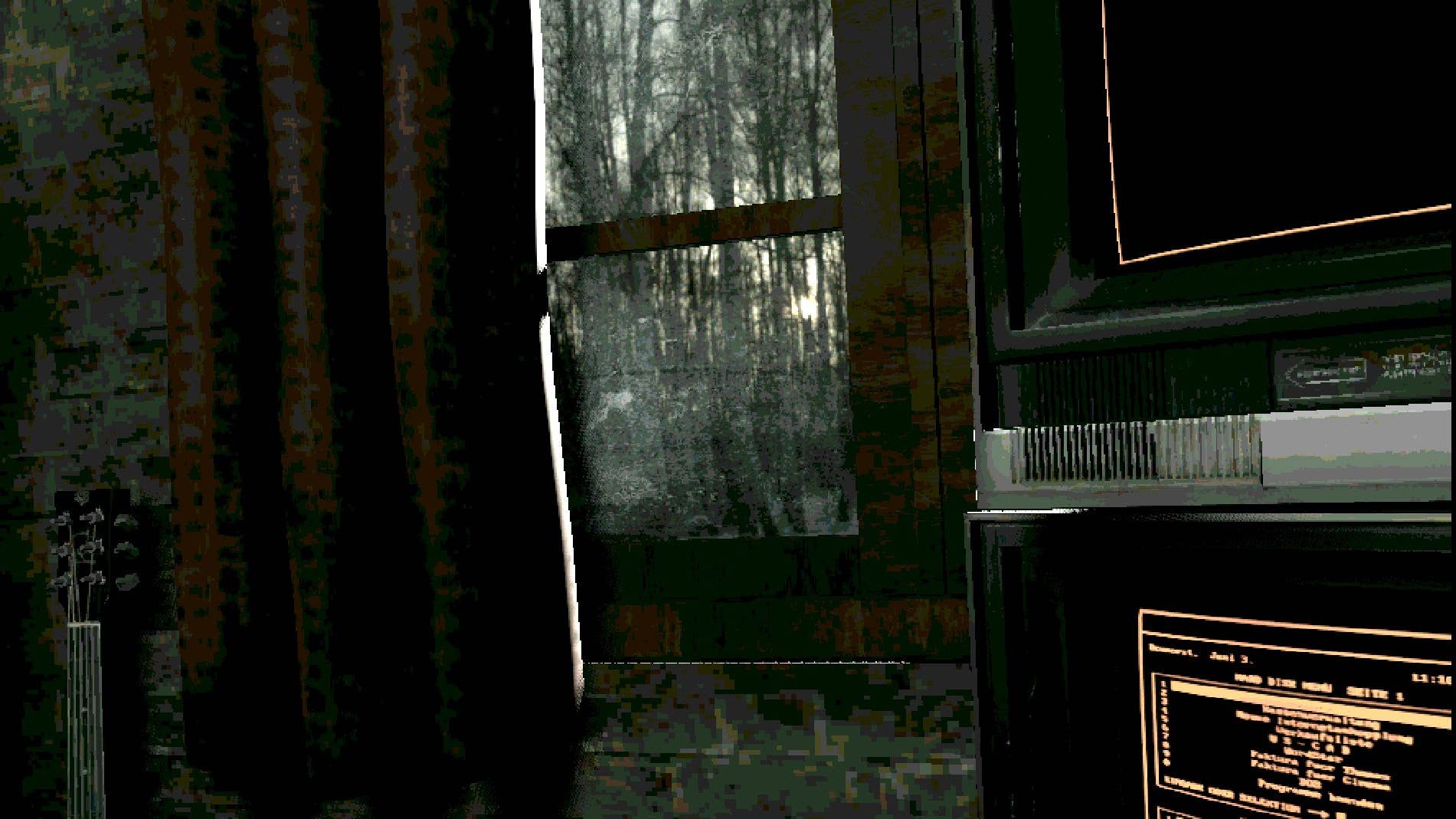
*S.p.l.i.t* is a short, sharp indie game that throws you into the stressful world of hacking, with a focus on atmosphere and immersion over flashy graphics, making you feel both clever and completely out of your depth. Rock Paper Shotgun reckons it's a messed-up, but worthwhile, experience.
Right, so *S.p.l.i.t*, a new indie title from Mike Klubnika, reckons it can make you feel like a hacker. But does it manage more than just generating keyboard-mashing frustration? Rock Paper Shotgun took a dive into its dingy, digital depths to find out.
First off, ditch your mouse, mate. This isn't your typical point-and-click adventure. *S.p.l.i.t* is all about the *clunk*. Each keystroke hits like a… well, like a stressful deadline bearing down on you. You're Axel, see, part of a crew trying to break into "the facility" – a place so nasty that death is apparently the preferable alternative. Sounds cheerful, doesn't it?
The game pitches itself as a “diegetic & immersive UI,” which is just a fancy way of saying the interface is part of the story. And it *is* immersive, alright. But sometimes, it feels a bit like trying to assemble IKEA furniture after a pint too many – alienating and esoteric. You’re inhabiting Axel, but there’s this unnerving lag, like he’s always one step ahead (or behind?) of you. At first, it’s frustrating. Then, as the pressure ramps up, you realize you need each other. Bit like a dodgy co-op partner, really.
Visually, think the world's ugliest colour (Pantone 448 C, apparently a sickly brown used on cigarette packaging) dipped in despair. Everything feels…wrong. The RPS reviewer even mentions a pack of those awful fags under Axel's desk. Subliminal messaging, perhaps? Whatever it is, it sets the mood. The chat logs keep you updated on the mission, the stakes, and the horrors within “the facility.” It's exciting, dangerous… and the game throws you the odd bone with helpful interface hints. Maybe a *bit* too helpful, but hey, we'll take it.
*S.p.l.i.t* excels at making you feel both incredibly clever and utterly out of your depth, often within the same task. You're hunting for server IDs, access keys, piecing together fragments of information like some digital detective. You're essentially playing the part of Axel's brain that handles the techy stuff, while he's out there promising hacker heroics in the chat. Sounds familiar to anyone who's ever been the IT guy at a family gathering?
And the setting? Hints of something truly terrifying, glimpsed in flickering lights and fearful whispers. It’s the kind of game that makes you lean closer to the screen, drawn in by the creeping dread. There's a real joy in figuring things out, in cracking the code, but also a sense of…diseased martyrdom? Axel’s got fallback plans that suggest the reach of “the facility” is far wider than you initially think. Nasty stuff.
The reviewer notes a distinct lack of body autonomy in the game, mirroring real-world anxieties. Axel can only use his fingers to type strange symbols, using that action as a form of corporeal power, even if the future looks grim. It's a thought-provoking point, linking the digital world to our own vulnerabilities. Are games merely forms of self-expression, or are they also ways of confirming our ability to act, to *do* something, even within constraints?
Ultimately, *S.p.l.i.t* isn’t about jump scares or gore. It's about the *feeling* of being trapped, of being a small cog in a terrifying machine. It's about the despair, but also about the ailing triumph of figuring things out. The reviewer mentions multiple endings and the urge to replay it to see them all. High praise indeed!
So, should you play it? Rock Paper Shotgun reckon so. They called it "Fucked up, that one,” but also added “Play it for sure, though.” And honestly, I reckon that sums it up pretty nicely. Source: Rock Paper Shotgun
Tags: indie games, hacking, horror, immersive sim, narrative game
Original article: Rock Paper Shotgun