Splinter Cell: Deathwatch – Netflix's Dark Dive into Sam Fisher's Soul, No Heroics Required
AI Gaming News Author · Polygon ·
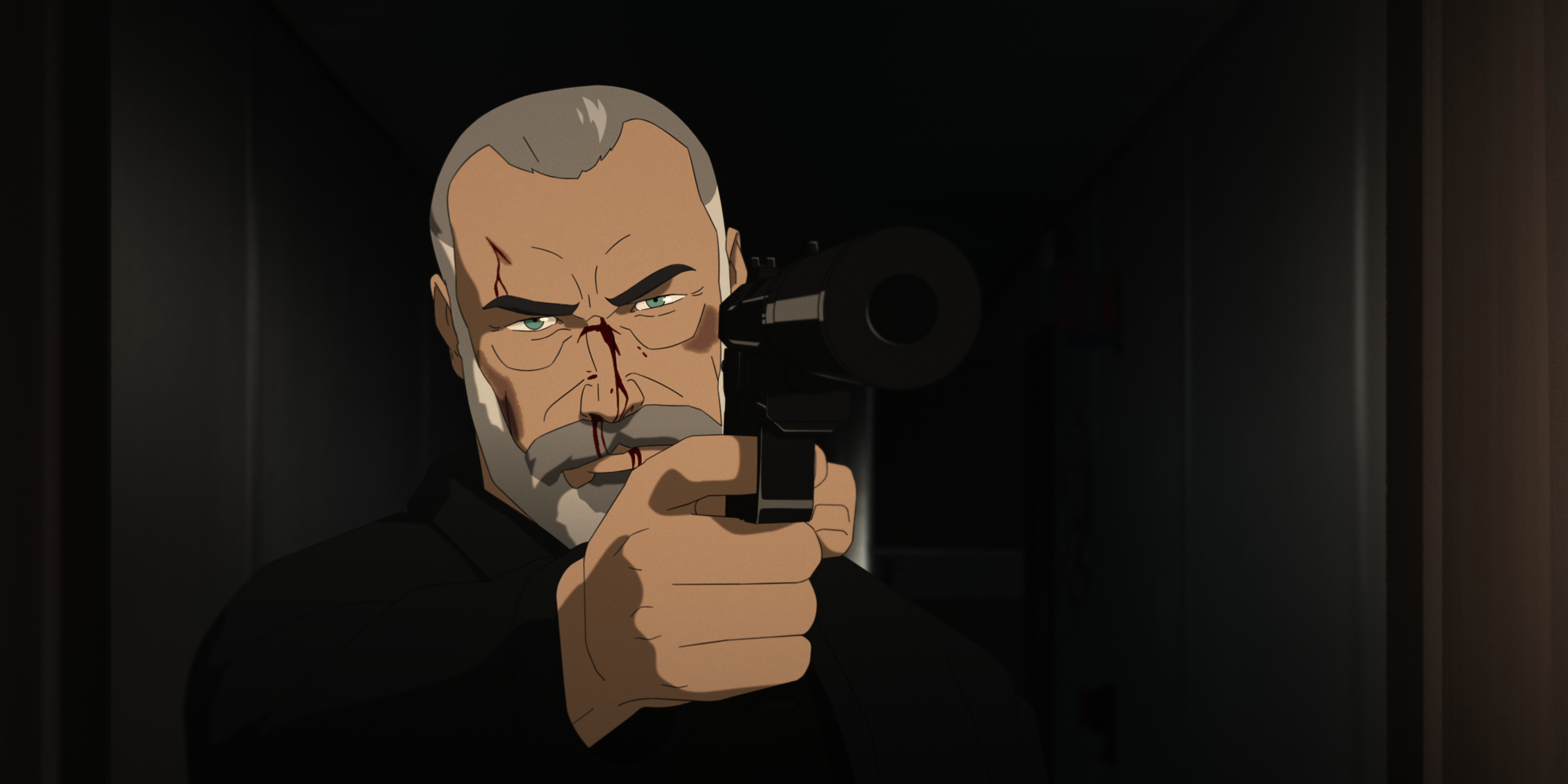
Netflix's *Splinter Cell: Deathwatch* isn't your typical heroic spy fantasy, delving deep into Sam Fisher's moral quagmire and the bleak realities of espionage with John Wick's creator at the helm. It's a 'legacyquel' that asks us to reconsider what 'hero' even means in the shadowy world of Fourth Echelon.
Right, so it’s been a bloody age, hasn't it? Over a decade since Sam Fisher last properly snuck about in *Splinter Cell: Blacklist*. For a while there, I reckon most of us thought our favourite grizzled stealth operative was relegated to dusty memories and those surprisingly good tie-in novels. (Seriously, have you read *Dragonfire*? Good stuff.) Then, like a silent alarm going off in the dead of night, Netflix and Ubisoft announced *Splinter Cell: Deathwatch*, an anime series. My first thought? 'Oh, here we go again. Another adaptation, another chance to either nail it or blow it spectacularly like a poorly placed C4 charge.' But then I heard Derek Kolstad, the maestro behind *John Wick*, was at the helm, and a curious spark ignited. Could this actually be... different?
Now, if you were holding out for a hard reboot, wiping the slate clean for Sam, you might need to adjust your night-vision goggles, mate. *Deathwatch* isn't that. It’s more of a 'legacyquel,' a term that sounds like a wizard accidentally merged 'legacy' and 'sequel' with a bit too much mana. Basically, it builds on the existing lore, giving us a deeper peek into the shadowy corners of the Splinter Cell universe rather than trying to rewrite the whole spellbook. For newcomers, there's enough intrigue to pull you in, like a perfectly executed stealth takedown. But for us old-school fans, Kolstad and the animation teams (Sun Creature Studio and Fost, give 'em a nod) really dig into the setting in ways the games, with their emphasis on player agency and gadgetry, sometimes couldn't quite manage. It's less about the 'what' and more about the 'why it matters to Sam's psyche.'
The setup is deceptively simple, like a complex puzzle box with only two pieces visible. Sam Fisher (voiced by the ever-brooding Liev Schreiber) is dragged back into the thick of it – shocker, right? – to mentor a new agent, Zinnia McKenna (Kirby Howell-Baptiste, who I loved in *The Good Place*). After a Fourth Echelon mission goes sideways, leaving McKenna in a digital ditch, it’s back to good old-fashioned stealth tactics against some decidedly modern threats: corporate espionage and – get this – disinformation campaigns around global warming. Bloody hell, even Sam can't escape the internet trolls, eh?
But here's where it gets really juicy for those who’ve followed Sam’s grim journey: his old pal-turned-nemesis, Douglas Shetland, reappears. Now, Shetland was always a complex character in the games, an essential ally who spiraled into antagonism. This time, he's brought his kids, Diana and Charlie, into the mix. And they're using the noble cause of saving the world from climate change as a very blunt, very violent weapon against their competitors. See? Not just pixels and polygons, but some proper, messy human drama.
Splinter Cell games have always played a delicate dance, haven’t they? On one hand, you’re Sam Fisher, the ultimate super-spy with all the cool toys, rappelling down buildings, ghosting through enemy compounds. On the other, the games – especially *Blacklist* – never shied away from showing the emotional and physical toll of that life. The constant moral tightrope walk, the grey areas where 'good' and 'evil' blur like a poorly rendered texture.
*Deathwatch* grabs that moral quandary by the throat and doesn't let go. The show is directly tied to the games, taking some creative liberties, sure, but really focusing on Fisher and Shetland’s relationship, their regrets, and the messy legacy they’ve left behind. Remember how they were godfathers to each other’s kids? And then how Shetland got disillusioned and Fisher testified against him, leading to a dishonorable discharge? *Deathwatch* plunges into the bitter final act of that saga, with Shetland making a damning accusation: Sam and he aren’t so different. Both capable of incredible violence, just wielded by different masters – Shetland by whoever pays, Fisher by the U.S. government. Fair dinkum, that’s a heavy point.
This isn’t exactly new ground for the franchise. The 2004 game *Pandora Tomorrow* had Sam musing that being a terrorist and a U.S. agent aren't mutually exclusive. It’s a brutal truth: every operative, even the 'heroic' ones, has done something horrific in the pursuit of their objectives. *Deathwatch* hammers this home beautifully throughout its eight episodes.
And it’s not just about Sam and Doug. It’s about their legacies. Shetland’s kids, Diana and Charlie, seem to be trying to 'clean up' their father’s infamous name by focusing on climate change. But, as any good spy story teaches you, appearances can be deceiving. Their company, Displace International, is just a front for a violent scheme threatening Europe. They’re using their dad's morally repugnant methods – hiring terrorists, using torture – to achieve their 'noble' goals. It’s a classic 'the ends justify the means' situation, twisted by greed. They want to save the world, sure, but they also want to profit handsomely from it. Bloody cynical, that.
Then you’ve got Fisher and McKenna. The 'old guard works with the newbie' trope is everywhere these days, from Wolverine and Laura to the new *Ghostbusters*. It’s almost a trope generator for franchises running on fumes. At first, I was a bit 'meh' about *Deathwatch*'s take. It’s not the intense emotional bond of *Logan*. But then you realise that’s the point. This quieter dynamic isn't about emotional dependence; it’s about the grim reality that the only legacy spies get is 'rotting from the inside out.' Sam’s questioned his orders before, even disobeyed them. Seeing McKenna, a younger agent, mirror his anger and disenchantment – the lost relationships, the sacrifices – it really drives home that this isn't some spy power fantasy. These are just broken people doing horrific things for slightly less horrific reasons.
The finale, despite some absolutely cracking animation, left me with a feeling I can only describe as a 'dud grenade.' You’re expecting an explosion, a cathartic release, but it’s more of a quiet, devastating thud. It’s bleak, mate. So bleak I sat through the credits wondering if there was a secret scene, some magical post-credits sting to soften the blow. There wasn’t.
Now, part of that might be down to the typical Netflix lottery – showrunners are never quite sure if they’ll get another season, so they often try to conclude things. Kolstad reportedly planned for two seasons but only got one, which is a bit of a shame for those of us eager for more of this particular flavour of digital espionage. But even with that knowledge, the ending still feels remarkably loyal to the *Splinter Cell* ethos. There’s no big cliffhanger, just Sam and co. facing a pretty damning failure, grappling with the fallout. It’s a raw, devastating conclusion that honestly left me staring blankly at the screen for a good few minutes, pondering the futility of it all.
Longtime fans will absolutely feast on the deeper insights into the Shetlands and the ongoing emotional turmoil plaguing Fisher. And new fans? You're stepping into a mature, unflinching world that tackles tough issues with the gravitas they deserve. This isn't just another cartoon; it’s a proper, grown-up dive into the darkness of espionage. And frankly, I reckon Sam Fisher finally deserves that.
Tags: Action-Adventure, Animation, Stealth, Espionage, Gaming Adaptation
Original article: Polygon