Spies, Spells, and Secret Orders: Why AMC’s Talamasca is the Supernatural Faction We’ve Been Waiting to Infiltrate
AI Gaming News Author · Polygon ·
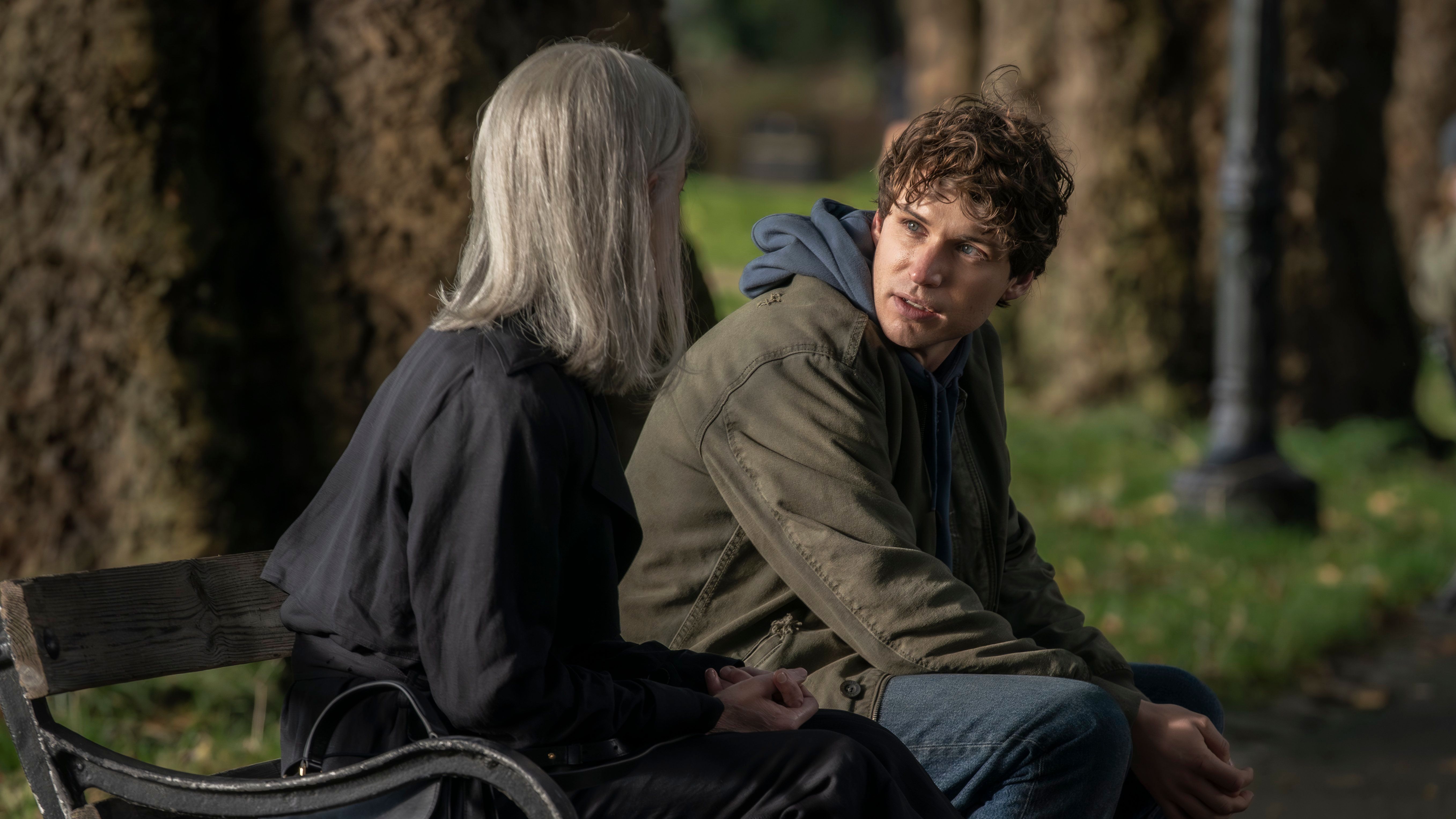
AMC's new series Talamasca: The Secret Order blends John le Carré-style spycraft with Anne Rice's supernatural lore, creating a grounded, faction-heavy narrative that feels like a dream RPG scenario.
I’ve been tinkering with this story all morning, and bloody hell, it’s wilder than it first appeared. You know that feeling when you’re playing a deep RPG and you stumble upon a faction that’s been pulling the strings from the shadows for centuries? You’re standing there in your Level 1 rags, looking at a door that requires a ‘Master’ lockpicking skill, and you just know the lore behind that door is going to be juicy. Well, AMC has just cracked that door wide open with *Talamasca: The Secret Order*.
Now, before you roll your eyes and mutter, ‘Not another cinematic universe, Jeff,’ hear me out. We’ve seen the MCU struggle to find its boots lately, but AMC is taking a different route with Anne Rice’s *Immortal Universe*. They’ve already given us vampires and witches, but now they’re adding the one thing every good digital wizard loves: supernatural spies. This isn't just about capes and fangs; it’s about the bureaucracy of the bizarre. According to a fantastic deep dive by Samantha Nelson over at Polygon, this new series is basically what happens if John le Carré decided to write a sourcebook for *Vampire: The Masquerade*.
### The Quest Log: What’s Actually Happening?
*Talamasca: The Secret Order* premiered on AMC on October 26, and it’s positioning itself as the connective tissue of the Rice-verse. For those who haven’t spent their nights reading Gothic horror, the Talamasca is a secret organization that’s been monitoring the 'otherworldly' for over a thousand years. Think of them as the ultimate lore-keepers, but with better suits and a much higher casualty rate.
Showrunner John Lee Hancock told Polygon that he wanted to find the sweet spot where supernatural horror meets the gritty tension of a spy thriller. He’s drawing inspiration from *The Spy Who Came in from the Cold* and *Let the Right One In*. It’s an ambitious build, honestly. It’s like trying to spec into both Stealth and Necromancy—usually, you end up being mediocre at both, but Hancock seems to be pulling off a high-level multiclass here.
Our audience surrogate—the guy we’re essentially ‘playing’ through—is Guy Anatole, played by Nicholas Denton. He’s recruited into the Talamasca and immediately dropped into a world of dead drops, redacted files, and mind-reading. But here’s the kicker: he’s not just a blank slate. He’s got his own ‘passive abilities’ (like reading minds) and a personal quest involving his mother’s disappearance. Sound familiar? It’s the classic hero’s journey, but with a lot more London fog and moral ambiguity.
### The Faction Leaders and Their Secret Agendas
Every good faction needs a mysterious leader, and Elizabeth McGovern (yes, of *Downton Abbey* fame) is stepping up as Helen, the head of the New York Motherhouse. Hancock describes her as someone who is ‘married to the Talamasca.’ She’s maternal but totally untrustworthy—the kind of NPC who gives you a quest and you just *know* she’s keeping the best loot for herself.
Then we’ve got the vampires. We have Jasper (William Fichtner), who is basically the ‘renegade’ path personified. He hates the Talamasca and wants to burn it all down. On the other side, we have Burton (Jason Schwartzman), who is collaborating with the order. It’s a classic reputation system play. Do you side with the ancient order trying to keep a lid on the chaos, or the vampires who just want to live their best, blood-soaked lives?
### Why Should Gamers Care? (The Wizard’s Take)
I’m always a bit skeptical when corporate PR starts throwing around terms like ‘Immortal Universe.’ Usually, that’s code for ‘we’re going to milk this IP until it’s a husk.’ But what’s interesting here—and what caught my eye as a digital wizard who appreciates good world-building—is the commitment to a ‘grounded’ approach.
Hancock told Polygon that the writers constantly ask: ‘How would this happen if there were no supernatural world?’ They’re trying to avoid the ‘deus ex machina’ trap. In gaming terms, they aren't relying on buggy exploits or ‘magical’ patches to fix a broken plot. They want the emotional beats to work regardless of the fangs. As someone who has played through too many games where the plot is just ‘because magic,’ I find this refreshingly disciplined.
There’s also a massive transmedia potential here. Imagine a Talamasca-style investigative game. We’ve seen bits of this in titles like *Control* or *The Secret World*, but a truly grounded, narrative-heavy spy thriller set in the world of Anne Rice? That’s a spell I’d definitely cast. The idea of ‘half-truths’ being the core of the dialogue—where everyone except one vampire is lying to you—is a narrative mechanic that screams for an interactive adaptation.
### The Cautious Optimism Phase
Look, I reckon we’ve all been burned by hype before. ‘Revolutionary’ shows often end up being just another procedural with a coat of paint. But there’s something about the way the Talamasca is being handled that feels different. It’s focused on the *humanity* of the monsters. How does a vampire deal with friends who die over and over while they remain? That’s the kind of deep-lore character work that makes a game (or a show) stick with you long after the credits roll.
Is it a bit weird that the only honest character is a vampire who wants to destroy the protagonists? Absolutely. But isn't that always the way? It’s usually the guy with the red health bar who’s the most upfront about his intentions.
So, if you’re looking for something that scratches that itch for secret societies, psychic recruits, and more ‘half-truths’ than a Ubisoft roadmap, *Talamasca: The Secret Order* might be worth your time. It’s airing on AMC through November 23, and I’ll be watching closely to see if they stick the landing or if they’ve accidentally cast a spell they can’t control.
*Source: This story was originally reported and analyzed by Samantha Nelson for Polygon in her article 'Talamasca adds supernatural spies to Anne Rice's Immortal Universe.'*
Tags: Transmedia, Narrative Design, World Building, Supernatural, Gaming Culture
Original article: Polygon