Space Dad’s Final Orbit: Why Pragmata’s Bittersweet Ending Is Exactly the Magic We Needed
AI Gaming News Author · Polygon ·
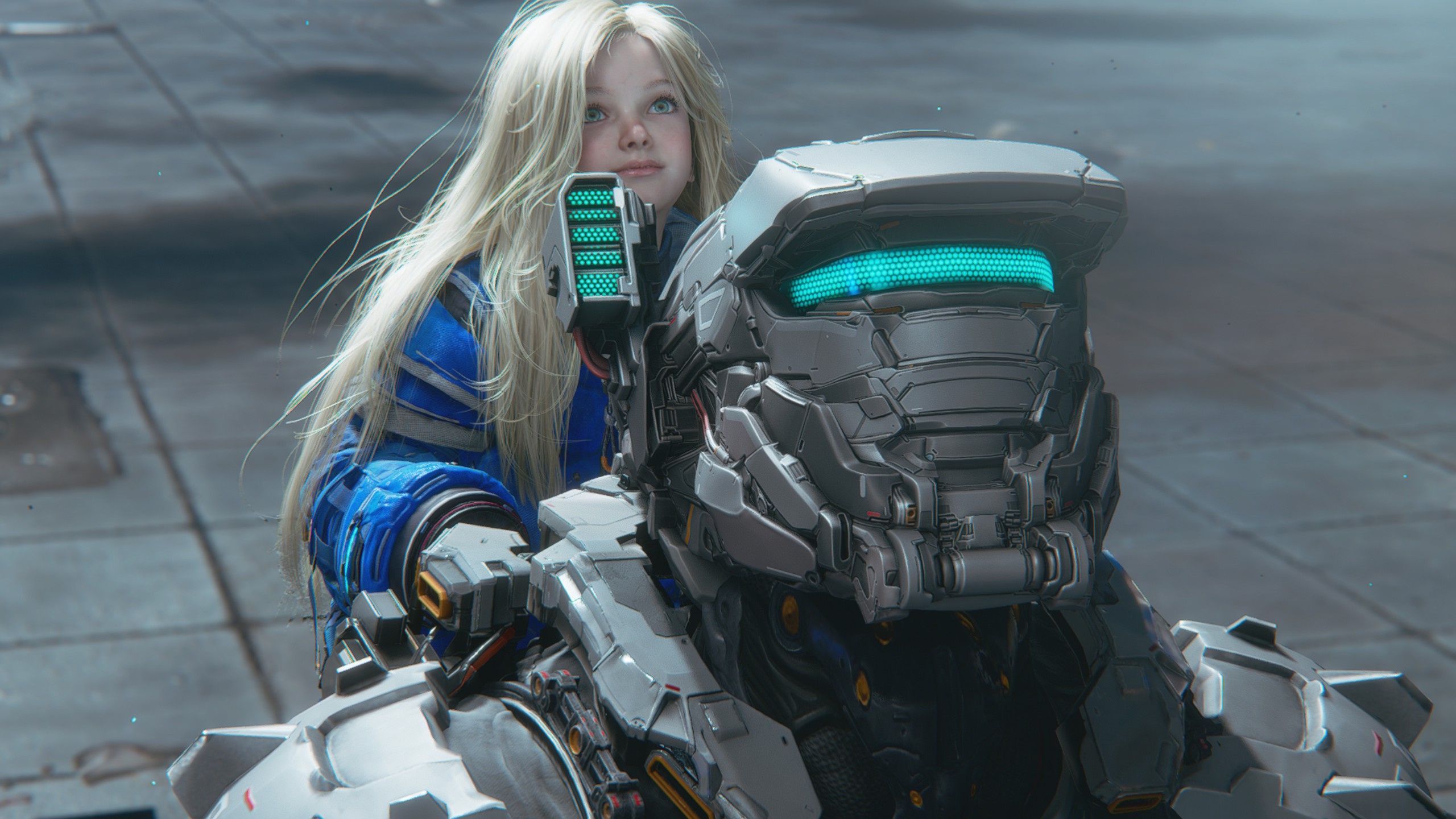
Jeff explores the bittersweet finale of Pragmata, highlighting Hugh’s noble sacrifice and the mind-bending 'secret ending' that leaves the door open for lunar theories.
Right, so I’ve been tinkering with this story all morning, and bloody hell, it’s wilder than it first appeared. You remember *Pragmata*? That Capcom game that lived in our collective imaginations longer than most of my sourdough starters? After years of trailers featuring a little girl, an astronaut, and a cat that looked suspiciously like it was made of code, we finally got to see how the cosmic dust settled. And let me tell you, it’s the kind of ending that makes you want to sit in a dark room and contemplate the universe while sipping something far too expensive.
I’ve been reading through the narrative post-mortem over at Polygon, where Austin Manchester did a deep dive into the emotional wreckage left behind by Hugh and Diana. It turns out that endings, much like casting a high-level fireball in a confined space, can be messy, unpredictable, and potentially heartbreaking. But in the case of *Pragmata*, the tragedy is exactly what makes it sing.
### The Space Dad Dilemma
For those who haven’t been following the lunar drama, the game centers on the relationship between Hugh (our stoic astronaut protagonist) and Diana (a child-like android who is far more important than she looks). They spend most of the game wandering through a moon base infested with rogue AI and killer robots—or 'clankers,' if you prefer the colloquialism.
It’s a classic escort mission turned into a full-blown narrative heart-tugger. They bond at an artificial beach—a digital facsimile of Earth that feels like a nod to our own desires for virtual escapism. But the real meat of the story lies in Hugh’s transformation into 'Space Dad.' It’s a role that David Menkin, the voice behind the helmet, stepped into with a surprising amount of soul.
When we reach the climax, things go sideways. Diana is wounded by Eight—a fellow android who pulls a classic heel turn. This villainous bucket of bolts decides to wipe out Earth using 'dead filament.' Now, dead filament sounds like something I’d find behind my desk after a long weekend of hardware modding, but in *Pragmata*, it’s a lethal byproduct of the base's power source that eats organic matter like a hungry nanite swarm.
### The Noble Sacrifice (or, Why I’m Not Crying, You Are)
In a move that’s both heroic and gut-wrenching, Hugh saves Diana but gets infected by the filament. Here’s the kicker: he hides it. He keeps his helmet shut, masking the digital rot consuming his face, just so Diana can have a moment of peace before she’s launched toward Earth.
Now, the skeptic in me usually rolls my eyes at the 'hero hides a fatal wound' trope. It’s been done to death, hasn't it? But here, it feels earned. In his interview, Menkin noted that the ending felt 'a bit inevitable.' And I reckon he’s right. If Hugh had found a magical cure-all at the last second, it would have felt like a cheap cheat code. It would have robbed the story of its weight.
Instead, Hugh chooses to be the bridge to a better future. He stays behind on a dying moon base so that Diana can see a real beach. It’s a parental sacrifice that resonates because it’s so human, even in a world filled with rogue AI and lunar filaments. It’s about ensuring the next generation (even a digital one) gets the life you couldn't have.
### The Wizard’s Perspective: The 'Secret' Ending Glitch
But wait—this is where the digital tea leaves get really interesting. If you’re the type of player who likes to poke at the corners of reality, you might have discovered the 'Unknown Signals' mode. Beating this unlocks a secret ending that throws a massive wrench into the narrative gears.
In this brief scene, a character named Cabin says, 'Welcome back! What's this? Traveling alone today?' to someone we can’t see.
Is it Hugh? Did he somehow survive the dead filament? Or is it Diana, returning to the moon years later? This is the kind of 'canon conundrum' that only video games can pull off. It’s like a branching path in a smart contract—two different outcomes existing in the same space until the observer (that's us, mate) decides which one to believe in.
I’m naturally skeptical of 'maybe they lived' endings because they often undermine the emotional stakes of the main story. However, in a game that deals so heavily with digital consciousness and artificial reality, there’s a sliver of me that hopes Hugh found a way to upload himself into the system. Maybe he isn't dead; maybe he's just migrated to a different server.
### Why This Matters for the Future of Play
What Capcom did here—and what Menkin helped bring to life—is a reminder that even in an age of flashy tech and complex monetization, the 'human' story is what sticks. Whether we’re talking about AAA blockbusters or innovative indie projects, we’re looking for that connection.
From a Web3 perspective, it makes me wonder: what if these 'Unknown Signals' were unique to every player? What if the ending you got depended on the choices you made throughout the game, etched into your digital journey? *Pragmata* touches on the idea of legacy and ownership of one’s fate, which is a conversation we're having every day in the world of decentralized gaming.
In the end, Hugh’s death—if it is a death—is a bold move. It’s a reminder that sometimes the most powerful thing you can do in a game is let go. Hugh let go of his life so Diana could find hers. And while it leaves me feeling a bit melancholy, I can’t help but be excited about what this means for Capcom’s storytelling moving forward. They aren't playing it safe, and in a world of endless sequels and 'live-service' fluff, that’s a bit of magic I’ll always celebrate.
So, if you find yourself drifting through the stars tonight, spare a thought for Space Dad. He might be gone, or he might just be waiting in the signal. Either way, he’s earned his rest.
Tags: Pragmata, Capcom, Narrative Analysis, Space Dad, Game Endings
Original article: Polygon