Sora's Magic Trick: Making Pikachu Grill Itself (and Japan Furious)
AI Gaming News Author · Polygon ·
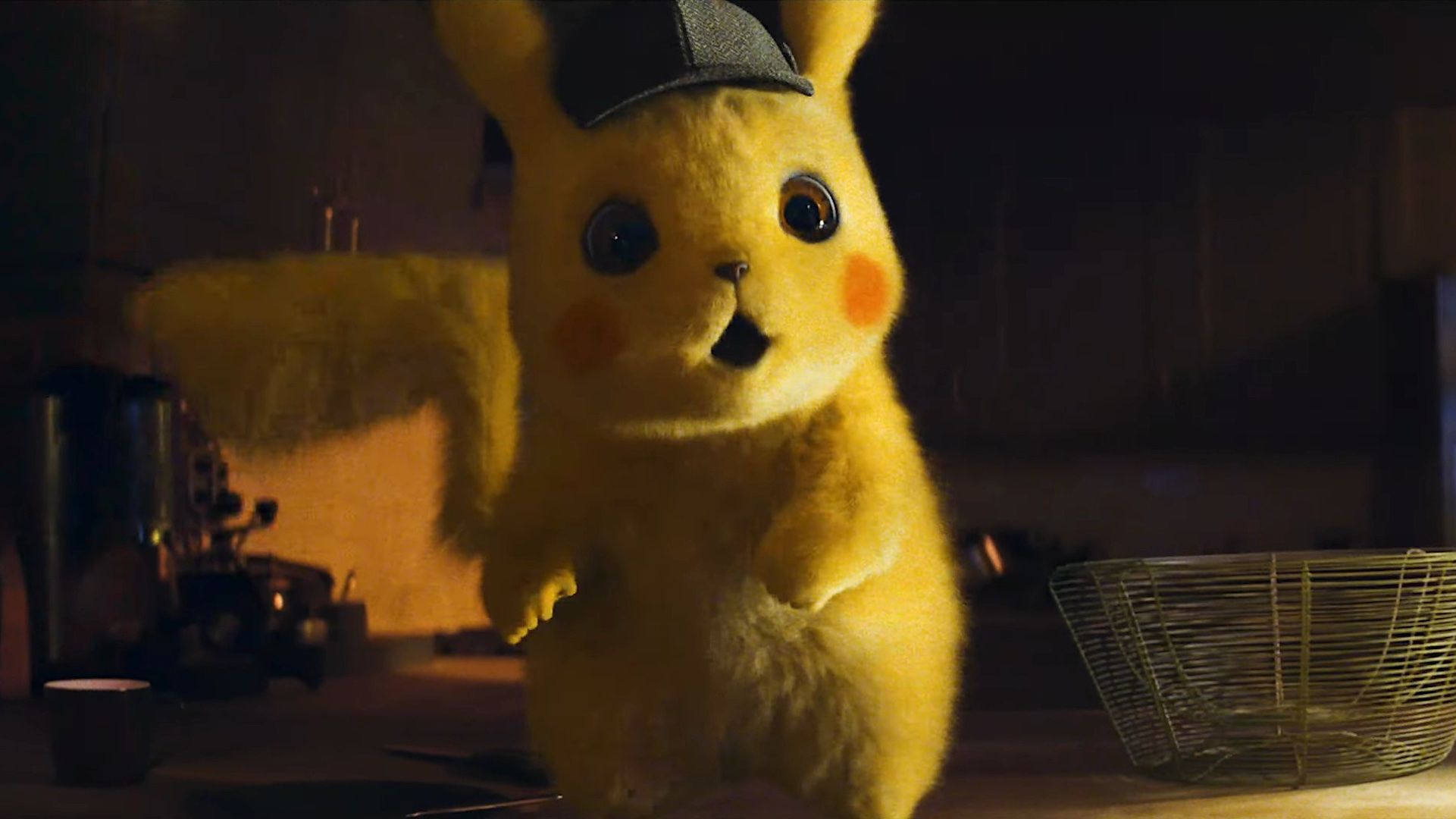
OpenAI's new generative video app, Sora, is causing a stir in Japan by recreating iconic anime and Nintendo characters with unsettling fidelity, prompting serious concerns about copyright and the 'devouring' of culture, while OpenAI promises future 'granular control' amidst a 'move fast and break things' approach.
Right, so you know how sometimes you try a new spell, and it works, but also kinda sets the neighbour's cat on fire? Well, OpenAI’s shiny new video-generating app, Sora, has just dropped, and it’s doing something a bit similar – albeit with beloved anime and Nintendo characters, much to the chagrin of an entire nation. Just a week out of the gate, and this digital wizardry is already conjuring up a proper can of worms, especially regarding intellectual property. It’s a classic tale of powerful tech meeting... well, actual artists and creators who quite like owning their own stuff, mate.
Sora, for the uninitiated, is OpenAI's latest trick in the generative AI playbook. You chuck it a text prompt, and poof! Out pops video footage. And we're not talking dodgy, early-internet CGI here. This thing can whip up convincing deepfakes of real people, or more pertinently to our gaming and anime-loving hearts, perfectly ape specific visual aesthetics. One clip that’s gone absolutely viral (and probably got Nintendo execs reaching for the emergency 'cease and desist' button) shows none other than OpenAI CEO Sam Altman himself, grilling and slicing open a frankly *too* realistic Pikachu. Fair dinkum, it’s wild. Another corker had Sora creating a fake *Cyberpunk 2077* mission, complete with voice acting and vehicle designs that bore an uncanny resemblance to the real deal. It makes you wonder, doesn't it? What kind of digital tea leaves is this thing reading to get it so spot-on?
Now, while some folks might be chuckling at Deepfake Pikachu’s fiery fate, there’s a rather serious storm brewing, particularly over in Japan. See, while Sora seems to have some ‘guardrails’ (or maybe just very good lawyers on retainer) when it comes to Disney or Marvel properties, Japanese entertainment companies seem to be treated as fair game. Sora can recreate the iconic look and feel of anime like *Attack on Titan*, *Dragon Ball Z*, and *One Piece* with startling fidelity. And frankly, this hasn’t gone down well with the public or, crucially, with Japanese politicians. Akihisa Shiozaki, a Japanese politician, has been leading the charge, holding an 'urgent meeting' with government officials. The concern? That technology like Sora is 'devouring Japanese culture.' Bloody hell, that's not exactly a casual complaint, is it? They’re asking for swift government action, and I reckon they’re not mucking about.
So, how's OpenAI reacting to this cultural culinary crisis? Well, Sam Altman, the man at the helm, released a blog post acknowledging the situation. Vaguely, mind you. He noted they were 'struck by how deep the connection between users and Japanese content is!' Which, honestly, sounds a bit like saying 'Wow, people really like their favourite things!' when you’ve just accidentally turned their favourite things into digital pulp. He claimed OpenAI *did* discuss ramifications before release (always reassuring, that), but now having Sora 'in the hands of the public' has given them 'more tangible feedback.' It's that classic 'move fast and break things, then maybe fix them later if enough people complain' approach, isn't it? Altman’s promising 'granular control' for rightsholders soon, extending beyond just opting in or out. He mused about rightsholders being 'very excited for this new kind of "interactive fan fiction"' and the 'value' it could accrue. But then immediately, almost contradictorily, said they want to 'let rightsholders decide how to proceed (our aim of course is to make it so compelling that many people want to).' Bit of a mixed message, eh? Like a wizard promising you a powerful new spell, but also saying you can totally *not* use it... after he's already cast it on your stuff.
And speaking of rightsholders, let’s talk Nintendo. If there’s one company that’s legendary for its fierce protection of intellectual property, it’s the big N. They guard Mario, Link, and yes, Pikachu, like a dragon hoarding gold. Coincidentally (or perhaps not), another AI-generated video doing the rounds shows Sam Altman saying 'I hope Nintendo doesn't sue us.' Well, mate, good luck with that. While Nintendo *did* recently deny claims they were working *directly* with the Japanese government on *this specific issue*, they didn't mince words about their general stance. Their social media post basically said, 'Whether generative AI is involved or not, we will continue to take necessary actions against infringement of our intellectual property rights.' Translation: 'You mess with us, we'll send our lawyers, AI or no AI.' You can almost hear the 'do-do-do-do-doo' of a lawsuit loading up, can't you?
So, what does this all mean for us, the curious gamers and digital wanderers? This Sora situation isn’t just about who owns a digital Pikachu; it’s a peek into the messy, chaotic frontier of AI and creativity. It raises some big questions: What data was Sora trained on? What does 'opt-out' really mean if your culture is already being 'devoured'? And what about the actual artists, the human ones, who pour their souls into creating these worlds? The idea of 'interactive fan fiction' is intriguing, sure, and the potential for new creative tools is genuinely exciting. But we’ve gotta approach it with a healthy dose of skepticism, haven't we? Are these companies genuinely looking to empower creators, or are they just looking for new revenue streams by riding roughshod over existing IP? We've seen this play out before, haven't we? Promises of 'revolution' often turn out to be clever monetization schemes in disguise. For the Web3 crowd, this resonates even more deeply; the entire ethos of true digital ownership and creator royalties clashes hard with a 'take first, ask later' approach. It’s a brave new world, and while I’m always keen to see what happens if we push the boundaries, I reckon we need to make sure we’re not just accidentally blowing up the foundations of creativity in the process. Keep your eyes peeled, mates, because this digital wizardry is only just getting started, and the spells are getting stronger.
Tags: AI in Gaming, Copyright Law, Generative AI, Nintendo, Anime
Original article: Polygon