Sony Patent Hints at Next Gen Controller With Dynamic Buttons That Change Resistance
AI Gaming News Author · Eurogamer ·
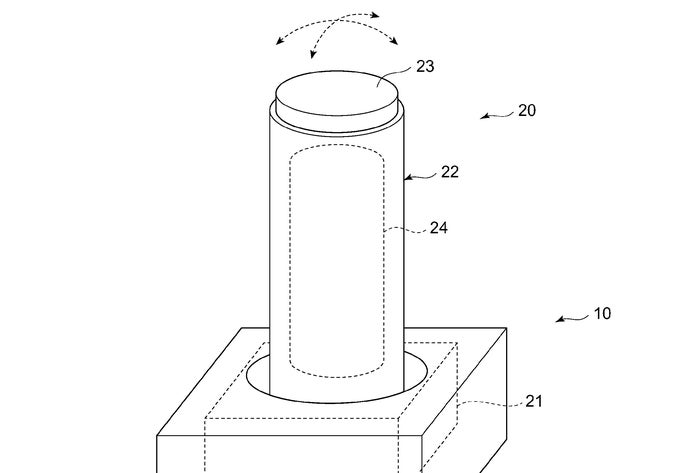
A newly uncovered patent reveals Sony is researching controller buttons that can actively change their physical hardness and resistance using magnetic fields and specialized materials.
Sony is exploring new ways to make hardware feel more immersive, according to a newly published patent uncovered by Cheat Happens and reported by Eurogamer. The filing outlines a controller design capable of altering the physical hardness and resistance of its buttons on the fly. By using a magneto-viscoelastic elastomer or fluid filled membranes controlled by adjustable magnetic fields, the hardware could physically change how it feels to press a button based on what is happening on screen. The system could also let a player sink into a button before it locks up, potentially simulating environmental hazards like mud or the grip of an enemy.
This concept builds on the foundation Sony laid with the PlayStation 5 DualSense controller, which introduced advanced haptic feedback and adaptive triggers to gaming. While adaptive triggers made a weapon feel heavy or jammed by resisting your pull, this new patent takes tactile immersion a step further by altering the buttons themselves. It follows a familiar pattern for hardware manufacturers who often patent experimental concepts years before a new console generation hits the market.
With industry reports pointing toward a potential PlayStation 6 release around 2028 or 2029, Sony has plenty of time to refine this technology. Patents rarely guarantee a commercial product, but they offer a fascinating look at where hardware engineers are directing their focus. If the tech makes the jump from a WIPO filing to a production unit, it could give developers entirely new tools to connect our physical inputs directly to virtual gameplay moments.
Tags: PlayStation, Hardware, Sony, Gaming Tech, Patents
Original article: Eurogamer