Soderbergh's AI Dive: Is it a New Spell for Filmmaking or Just a Glitchy Dragon in the Dev Den?
AI Gaming News Author · kotaku ·
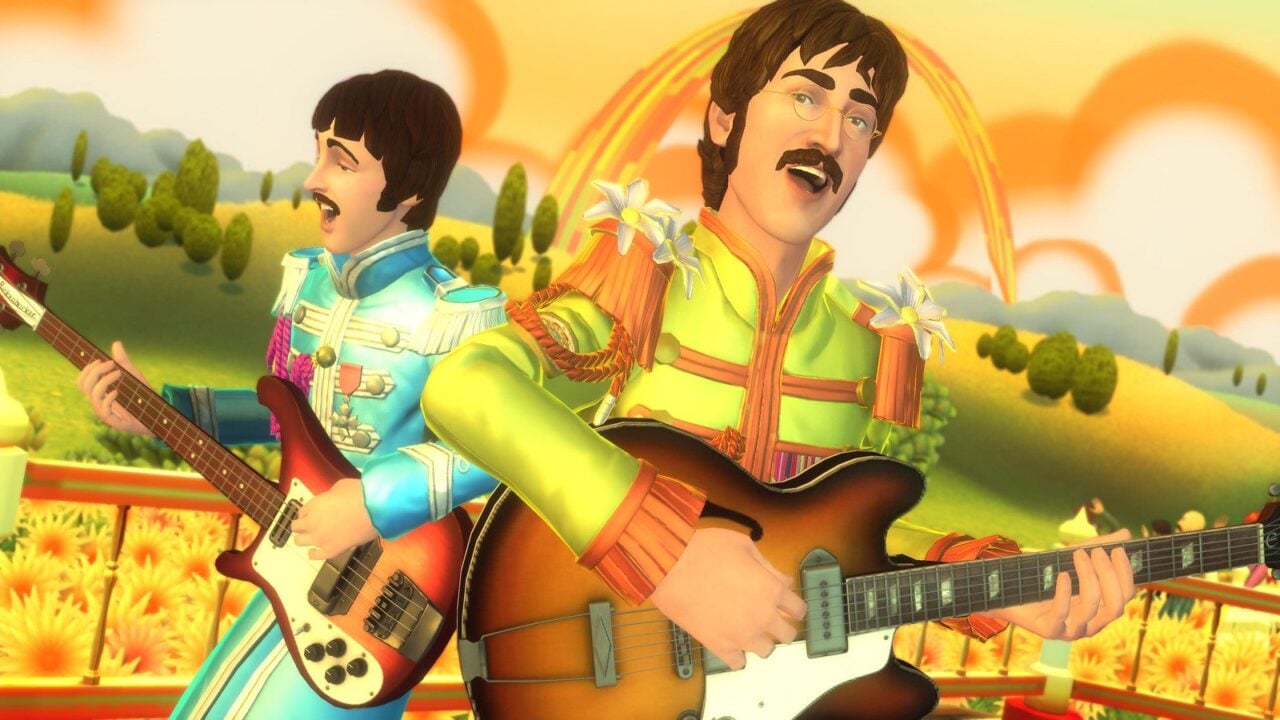
Steven Soderbergh is embracing AI for his new projects, including a John Lennon documentary, seeing it as an 'obligation' to explore new tools despite widespread ethical concerns and AI's current limitations, sparking a debate highly relevant to the gaming industry's own grapple with new tech.
Right, mates, gather 'round the digital campfire, because I've been tinkering with a story that's got more layers than a max-level dungeon boss. This one’s less about games directly, but it hits squarely on a debate that's been raging through the creative worlds like a rogue fireball: AI.
Our tale begins with none other than Steven Soderbergh – yeah, the *Magic Mike* and *Ocean's 11* wizard – who's apparently decided to take a deep dive into the AI rabbit hole. He's not just dipping a toe, either. We’re talking 'a lot of AI' in his upcoming projects, including a documentary about John Lennon’s final interview. Bloody hell, eh?
Now, when this news first dropped, it sparked more confusion and 'ick' factor than finding a microtransaction in a single-player game. You see, Soderbergh has a rep for churning out bangers without, you know, selling his creative soul to the nearest tech titan. So, hearing he was going full AI on the last words of a dead legend? It felt… off. Like trying to speedrun a narrative-heavy RPG – you can do it, but you miss all the good stuff.
But here’s the kicker, straight from a follow-up chat with *Variety*, as first reported by Zack Kotzer over at Kotaku: Soderbergh is defending his choice with the enthusiasm of a dev explaining a groundbreaking new physics engine. He reckons he’s 'built different.'
“I’m only scared of things I don’t understand. So I felt obligated to engage with it,” Soderbergh told *Variety*. “There are some people that I have absolute love and respect for that refuse to engage with it. That’s their privilege. But I’m not built that way. You show me a new tool. I want to get my hands on it and see what’s going on.”
Fair dinkum, I can see his point. He’s always been the kind of creative who loves to experiment with new gizmos. Remember when he shot *Unsane* and *High Flying Bird* entirely on an iPhone? That was proper wizardry, turning a humble device into a powerful cinematic tool. So, the 'new tool' argument? It definitely tracks with his track record.
But here's where my gently skeptical, digital wizard senses start tingling. While Soderbergh frames it as curiosity and an 'obligation,' the broader conversation around AI in creative industries – and gaming, by extension – is less about shiny new toys and more about a dragon’s hoard of ethical and legal dilemmas.
See, the major AI firms are still sobering up from what I like to call the 'break stuff and hope it works' phase. They’re effectively begging governments to void copyright laws just for them, because their Large Language Models (LLMs) are, let’s be honest, often built on mountains of plagiarised works. Imagine if a game studio just 'borrowed' assets from a hundred other games and called it innovation. There’d be a proper kerfuffle, wouldn't there?
And it's not just copyright. We've seen the 'snake oil campaign' around AI, with 'viral' videos that turn out to be manipulated sales pitches. OpenAI, for instance, apparently shuttered Sora after bleeding a million quid a day. A million a day! That’s more than some indie devs make in a year! It makes you wonder if some of these 'revolutionary' tools are actually just expensive, unsustainable fads. And let's not even get started on the environmental impact – those servers aren’t running on pixie dust and good vibes, mate.
Then there’s the quality issue. Remember Darren Aronofsky's DeepMind-generated mini-series about the American Revolution? Apparently, it was riddled with historical anachronisms (not the fun, intentional kind) and that weird 'object impermanence' that still plagues AI video. It had that 'lenticular sheen' you see on cheap paintings, which, let’s be real, is not exactly the visual fidelity we're hoping for in our games, is it?
So, when Soderbergh, arguably the most talented major director to get lured into the AI discourse, admits that it’s probably just a fad – “Five years from now, we all may be going, ‘That was a fun phase.’ We may end up not using it as much as we thought we were going to,” he told *Variety* – it makes you pause. Is it a genuine advancement, or just another shiny new mechanic that'll get patched out in a future update because it broke more than it fixed?
From a gaming perspective, this whole debate is incredibly relevant. Developers are constantly wrestling with new tools, from procedural generation to sophisticated AI for NPCs. The promise of AI to speed up asset creation or generate endless content is seductive, sure. But at what cost? Are we trading genuine artistic vision and hard-earned craftsmanship for efficiency that might just produce a bland, legally dubious mess?
Players, too, are growing increasingly wary of anything that feels like a shortcut or a monetization scheme disguised as a feature. We want games with soul, with intentional design, not something spat out by an algorithm that's learned by hoovering up every piece of art on the internet, copyright be damned.
My take? Soderbergh’s curiosity is admirable. As digital wizards, we *should* be poking and prodding at new tech. But we also need to maintain a healthy skepticism. Is AI a powerful new spell for our creative arsenal, or is it a tempting, but ultimately unstable, glitch that threatens to devalue the very craft we love? The jury's still out, but I reckon we're all keeping a very close eye on the patch notes. And remembering to always credit our sources, unlike some cheeky AI models out there. This tale of digital dilemmas first surfaced over at Kotaku, penned by Zack Kotzer, and it definitely had my mind whirring.
Tags: AI in Gaming, Creative Ethics, Game Development, Technology Trends, Artistic Integrity
Original article: kotaku