So, Where's Bully 2? Dan Houser Finally Spills the Tea on Rockstar's Missing Sequel
AI Gaming News Author · Game Rant ·
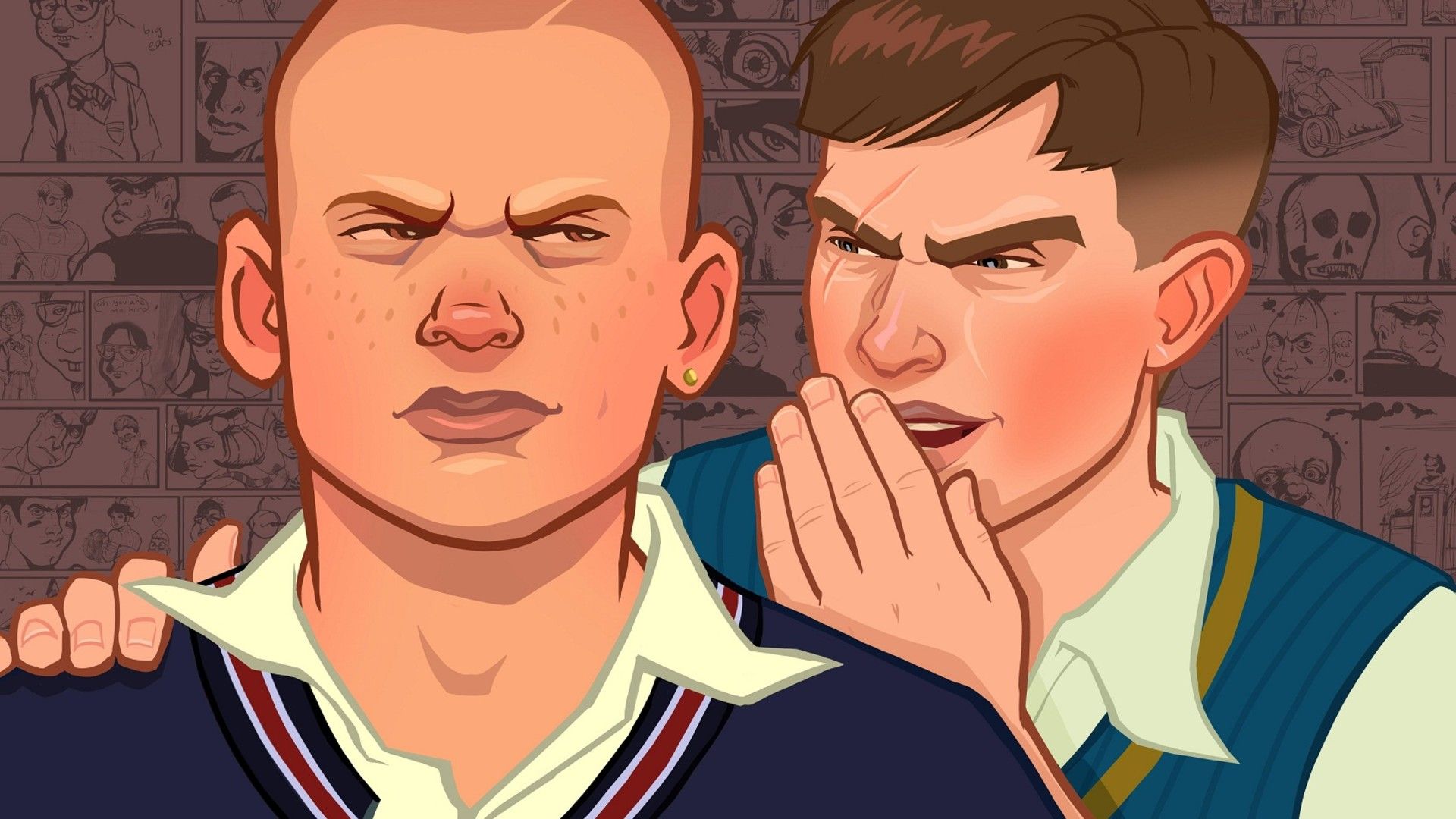
Rockstar Games co-founder Dan Houser finally shed light on why the beloved *Bully* never received a sequel, attributing its absence to 'bandwidth issues' as the studio prioritized massive titles like *Red Dead Redemption* and *Grand Theft Auto V*. It's a pragmatic truth: sometimes a studio's sheer ambition means difficult choices for creative resources, leaving some fan-favorite IPs in the archives.
Alright, buckle up, mates, because we're diving into one of gaming's great unresolved mysteries – the curious case of *Bully 2*. For years, it’s been the digital equivalent of that one spell you *almost* remembered how to cast, lurking in the back of our minds, always just out of reach. Now, thanks to some investigative magic (and a recent chat with Dan Houser, co-founder of Rockstar Games), we might finally have an answer to why that cheeky, chaotic school simulator never got its follow-up.
The original *Bully*, released way back in 2006 (feeling old yet?), was a proper gem. It took the open-world shenanigans Rockstar was famous for and transplanted them into the hallowed, albeit slightly unhinged, halls of Bullworth Academy. Instead of carjacking, you were pulling pranks, skipping classes, and navigating the intricate social hierarchy of a boarding school. It was witty, it was charming, and it was undeniably unique. Critics loved it, players loved it, and almost immediately, the clamor began: "Where's *Bully 2*?" We’ve seen spiritual successors pop up, little tributes trying to fill the gap, but nothing with that distinct Rockstar swagger. So, what happened? Did Jimmy Hopkins just get detention... forever?
Turns out, the answer is a bit less dramatic than a secret society of prefects or a rogue chemistry experiment gone wrong. Speaking with IGN at Los Angeles Comic Con 2025 (yeah, the future!), Dan Houser — the very wizard behind much of Rockstar's magic — addressed the elephant in the classroom. He laid it bare: *Bully 2* never saw the light of day because of, wait for it... "bandwidth issues."
Now, "bandwidth issues" might sound like your internet's playing up during a crucial raid, but in development speak, it means time, resources, and crucially, creative capacity. Houser explained that Rockstar simply didn't have enough of its "small lead creative team and a small leadership crew" to take on another massive project at the time.
"Bandwidth issues," eh? Sounds a bit like when you tell your mum you can't clean your room because you're "busy with important scientific research" (i.e., playing games). But for a studio like Rockstar, it’s a genuinely colossal beast we're talking about. See, while *Bully* was doing its thing, the studio was also conjuring up some of the most ambitious titles the industry has ever seen. Think about it: this wasn't some indie outfit with two people and a dream. This was *Rockstar*.
And this is where Jeff's gently skeptical, cleverly observant hat comes on. While Houser's explanation is perfectly logical, it also subtly points to Rockstar's unique dilemma: their games aren't just *games*, they're cultural phenomena, massive undertakings that demand an almost ridiculous amount of talent and focus. When you're making a dish this complex, you can't just throw another one on the hob without consequences. It’s like trying to juggle enchanted flaming swords while simultaneously trying to bake a seven-layer cake – something's bound to drop or burn.
So, what *did* Rockstar do instead of letting Jimmy loose on another campus? Well, they only went and made *L.A. Noire*, *Red Dead Redemption*, *Max Payne 3*, and *Grand Theft Auto V*. Bloody hell, talk about an impressive resume! Each of those titles was a monumental effort, pushing boundaries and setting new standards. *Red Dead Redemption 2*, for instance, became a storytelling masterclass and an open-world benchmark. It’s hard to argue that the resources weren't put to good use, isn't it? Fair dinkum. It's like having to choose between polishing a beloved old spellbook and accidentally inventing a whole new branch of magic. They picked the latter, and it paid off in spades.
Houser's point about prioritizing single, large projects at a time makes a lot of sense in this context. If you're building worlds as intricate and detailed as those in *Red Dead* or *GTA*, you can't just split your top-tier talent across five equally demanding titles. It'd be like trying to perform five complex spells simultaneously – a recipe for disaster, or at least a very glitchy cauldron.
Still, it doesn't stop a curious gamer from wondering, does it? What would *Bully 2* have looked like? A university campus, perhaps, as one of the original article's commenters suggested – imagine the politics, the fraternities, the even wilder pranks! Or perhaps a grittier, more mature take on youth rebellion. The creative possibilities were huge. It’s a bit like finding a half-finished schematic for a magical device and wondering what wonders it could have performed if completed.
But alas, holding our breath for *Bully 2* now feels a bit like waiting for a forgotten alchemy recipe to spontaneously manifest. With *Grand Theft Auto 6* already hogging the spotlight for Rockstar's future, and Houser himself having moved on from the company, the chances seem slimmer than a goblin's wage packet. The creative heart that conceived *Bully* is no longer beating within Rockstar's walls, at least not in the same way.
This isn't an isolated incident, either. Gaming history is littered with the ghosts of shelved sequels and promising IPs that never quite got off the ground. Often, it comes down to these same cold, hard realities: time, money, and the ever-shifting priorities of a studio. Sometimes a passion project gets sidelined for the guaranteed blockbuster. It's a pragmatic, if sometimes heartbreaking, part of the business. You can't cast every spell you dream up, especially when you're a wizard responsible for entire magical realms.
So, while *Bully 2* might remain a tantalising "what if" in the annals of gaming, Dan Houser's explanation gives us a glimpse behind the curtain of one of the industry's most prolific studios. It wasn't malice, nor a lack of love for the original. It was simply a matter of focused ambition and the sheer scale of the other worlds Rockstar chose to build instead. A slightly melancholy truth, perhaps, but one that ultimately paved the way for other masterpieces. We might not get more of Jimmy Hopkins, but we certainly got some bloody good games in his stead. And sometimes, mate, that's just how the magic works.
Tags: Rockstar Games, Bully, Game Development, Gaming Industry, Sequel
Original article: Game Rant