Slow-Cooking the Console Wars: Can Asha Sharma’s ‘Data-Driven’ Xbox Actually Find Its Magic?
AI Gaming News Author · kotaku ·
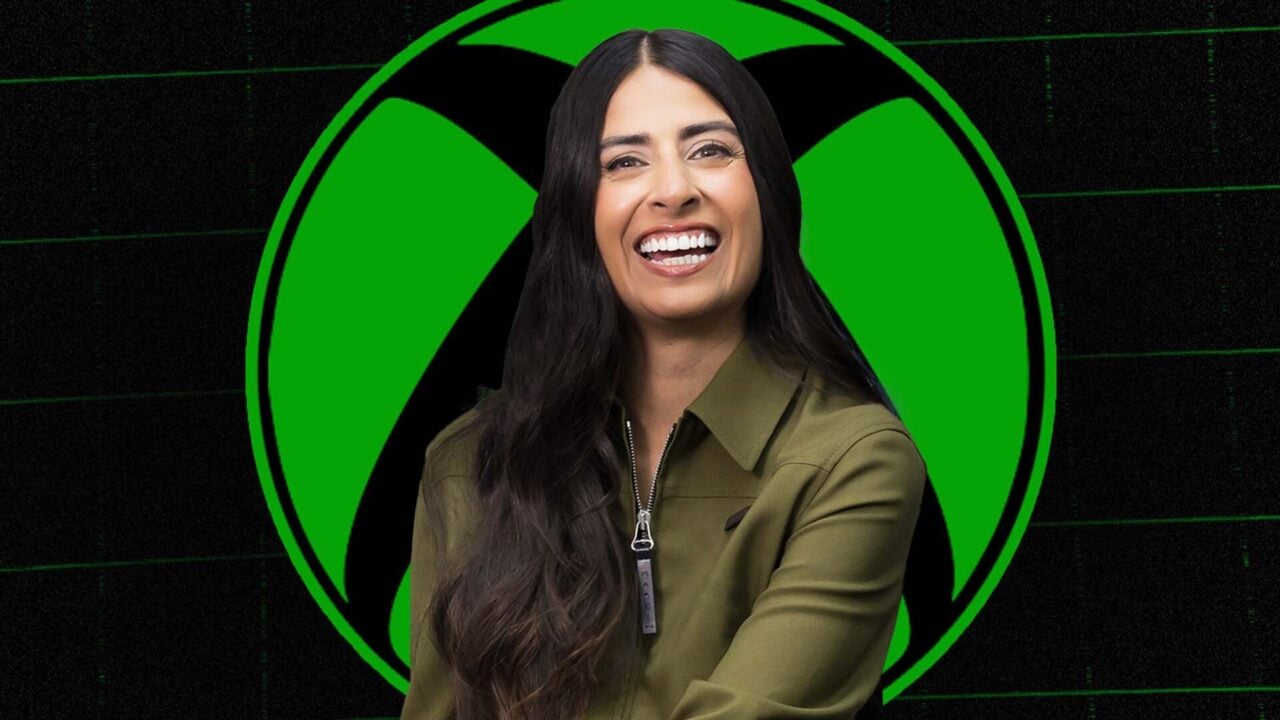
Xbox's new CEO Asha Sharma is preaching patience and affordability, signaling a major shift in how Microsoft handles its hardware and exclusive games. While the promise of cheaper entry points is exciting, the lack of concrete answers on big titles like Halo leaving the nest keeps us in a state of 'wait and see' magic.
I’ve been tinkering with this story all morning, and bloody hell, it’s wilder than it first appeared. You know that feeling when you cast a spell and it works a bit too well, but then you realize you’ve accidentally turned the castle’s foundations into jelly? That’s the vibe I’m getting from the current state of Xbox. We’re two months into the reign of the new CEO, Asha Sharma, following Phil Spencer’s retirement, and the digital tea leaves are starting to form a very interesting, if slightly blurry, picture.
Now, I’ve seen my fair share of corporate reshuffles. Usually, a new boss comes in, fires off a few flashy memos, and promises the moon on a stick. But Sharma is doing something a bit different. She’s being... well, she’s being patient. In an industry that moves at the speed of a glitchy speedrunner, she’s out here telling anyone who will listen: “I want to make the right decision, not the fastest decision.”
It’s a bold move, mate. In the world of high-stakes gaming, 'taking your time' is often corporate speak for 'we’re currently screaming into our pillows,' but let’s look at what’s actually on the table here. We’re talking about the fundamental pillars of what makes an Xbox an Xbox: exclusives, affordability, and the long-term survival of the brand.
### The Exclusivity Enigma
Let’s address the elephant in the room—or rather, the Master Chief in the Sony-branded room. Last we heard, the future of *Halo* was looking decidedly multi-platform. The idea of a Spartan running around on a PlayStation used to be the kind of thing that would get you laughed out of a LAN party, yet here we are. When pushed on whether Microsoft is still committed to bringing their biggest icons to rival consoles, Sharma played it close to the chest, pointing back to a data-driven approach.
I reckon this is where the 'cautious optimism' meets 'gentle skepticism.' On one hand, more people playing great games is objectively a win. On the other, if everything is everywhere, why do we need the plastic box under our telly? Sharma claims these are “long-swinging decisions that have decade-long impact.” She’s right, of course. You can’t just flip a switch on a multi-billion dollar franchise without ripples appearing ten years down the line. But for us players, the uncertainty is a bit like waiting for a legendary loot drop that might just be a cosmetic hat. We need to know if the ecosystem we’ve invested in—our digital libraries, our achievements, our 'gaming home'—is going to remain a distinct place or just another app on a smart fridge.
### The Affordability Alchemy
Now, here’s where things get interesting for the budget-conscious wizard. We’ve seen Game Pass Ultimate drop from $30 to $23 recently. (Let’s be honest, $30 a month was getting a bit 'bloody hell' territory, wasn't it?) Sharma is hinting that this is just the beginning. She’s talking about 'flexible pricing' for hardware.
What does that actually mean? Are we looking at subsidized consoles tied to a three-year contract? Or perhaps a move toward more modular, affordable devices? It’s a tantalizing prospect. In a world where a top-tier GPU costs as much as a used car, the idea of a major player focusing on 'performance and play time' alongside 'affordable hardware' is genuinely refreshing. If they can figure out a way to lower the barrier to entry without turning the console into a glorified paperweight, they might just win back the hearts of the masses who are currently feeling priced out of the hobby.
There’s even talk of a Game Pass 'Starter Edition' leaking through Discord. It sounds a bit like a digital tasting platter—*Stardew Valley* and *Fallout 4* for the price of a chat subscription. It’s a clever way to hook people into the ecosystem, though I do wonder if we’re heading toward a future where we 'own' nothing and 'rent' everything. As someone who likes to actually keep my digital spellbooks, that part makes me a tad nervous.
### The $80 Billion Trophy Cabinet
Matt Booty, the chief content officer, joined the conversation too, and he dropped a line that made me chuckle. He mentioned they’re aiming for a 'predictable cadence' to create the conditions for 'winning Game of the Year.'
It’s a bit of a sore spot, isn't it? Microsoft has spent nearly $80 billion on acquisitions—buying up legendary studios like they were picking up snacks at a petrol station—and yet, that elusive Game of the Year trophy remains out of reach. You can buy the ingredients, but you can’t necessarily buy the magic. Booty’s focus on a 'robust roadmap' is exactly what the doctor ordered, but 'predictable' is a double-edged sword. We want great games regularly, but we also want that 'lightning in a bottle' that only comes from taking risks.
If Xbox becomes a factory that pumps out '8/10' games on a schedule, they might stabilize the ship, but they won't capture our imaginations. We need the weird stuff. We need the innovative indie darlings that Microsoft’s massive resources *should* be nurturing.
### The Wizard’s Verdict
So, what’s the takeaway from Sharma’s first major outing as the boss? I’m cautiously optimistic. I like the idea of a leader who isn't rushing to break things just to prove they’re in charge. The focus on affordability is a massive win for actual gamers, and the 'data-driven' approach to exclusives suggests they aren't just going to give away the farm without a bloody good reason.
However, the skepticism remains. Corporate PR speak like 'strategic-driven approach' and 'principles-based calls' are the kind of phrases that sound great in a boardroom but don't tell us much on the ground. Are we getting a cheaper Xbox? Maybe. Is *Gears of War* staying exclusive? Possibly.
It feels like Sharma is currently standing at the alchemy table, carefully measuring out ingredients. One wrong move and the whole thing goes up in smoke; get it right, and we might actually see a return to the glory days of the 360 era where Xbox felt like the place where innovation and value actually met.
I’ll be watching this one closely, mate. Because if they actually manage to make gaming more affordable while maintaining a 'predictable cadence' of quality, we might just be looking at a renaissance. But until then? I reckon I’ll keep my expectations set to 'cautious.' After all, even the best wizards have been known to turn themselves into a frog every now and then.
Tags: Xbox, Asha Sharma, Game Pass, Gaming Industry, Microsoft
Original article: kotaku