Slime, Spells, and Digital Spirits: Why Pragmata’s Fifth Sector is the Lore-Dump We Actually Needed
AI Gaming News Author · Polygon ·
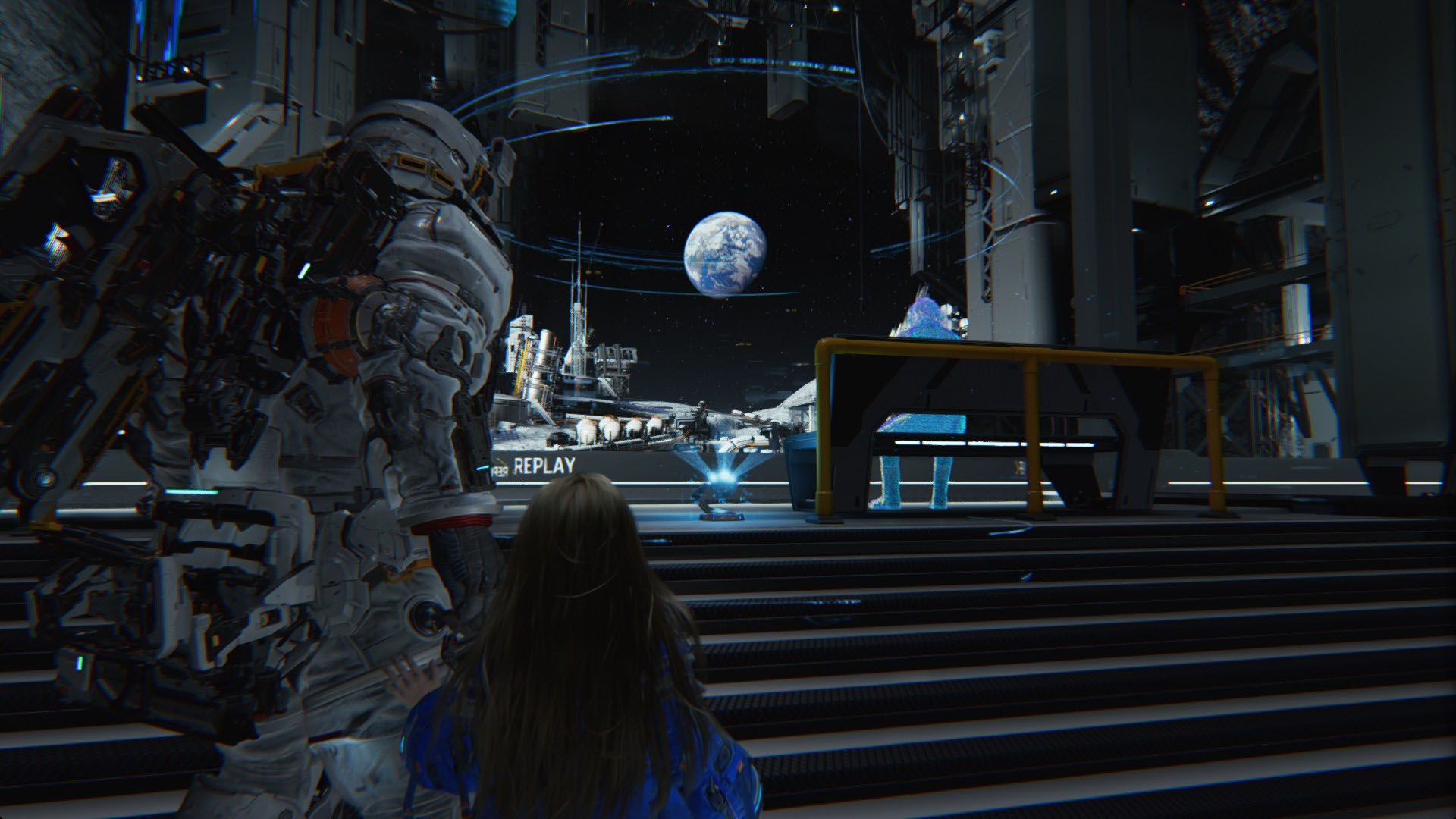
Jeff dives into Pragmata's lore-heavy fifth sector, Experimental Pragmatics, exploring why a level with no progress bar and plenty of 'black goop' is actually a masterclass in narrative tension and digital exorcism.
I’ve been tinkering with the latest intel from the lunar surface all morning, and bloody hell, it’s wilder than it first appeared. You know that feeling when you cast a spell and it works a bit *too* well, but then your wand starts sparking and leaking purple smoke? That’s essentially the vibe of *Pragmata’s* fifth sector, Experimental Pragmatics. If you were expecting another frantic dash through high-tech corridors with a ticking percentage bar haunting your every move, I’ve got some news for you—and it’s surprisingly chill, in a ‘haunted digital graveyard’ sort of way.
Now, I reckon we should talk about the boldest move Capcom has made here. Experimental Pragmatics has no blocks. No progress percentage. For a game that usually loves its metrics, this feels like the devs decided to take us on a bit of a walkabout through the narrative woods. It’s a sector that demands you actually *pay attention* to the world around you rather than just chasing a waypoint. As someone who’s spent more time than I’d like to admit staring at ‘99% complete’ screens wondering which pixel I missed, this is a breath of fresh, albeit recycled, lunar air.
But don't go thinking this is just a Sunday stroll. Our little companion Diana is having a bit of a rough go of it. She’s malfunctioning, and in the world of *Pragmata*, that means the hacking matrix is getting all sorts of nasty. We’re talking purple corrupted nodes that look like they’ve been pulled straight out of a wizard’s bad dream. If you’ve been relying on your hacking gauge to breeze through encounters, prepare for a bit of a reality check. These nodes drain your gauge and stall your progress, which is a clever—if slightly annoying—way of showing us that Diana’s internal world is falling apart. It’s not just a UI change; it’s a story beat told through mechanics, and I’m always a sucker for that.
Then there’s the ‘black goop.’ Honestly, what is it with gaming and mysterious, malevolent floor-tar? We’ve seen it in everything from *Death Stranding* to *Epic Mickey*, yet here it is again, preventing us from hacking and generally making a mess of the place. It’s the ultimate ‘stay off the grass’ sign for gamers. You’ll be dodging walkers and their MK-II upgrades while trying to keep your boots clean. It’s a bit of a classic gaming trope, isn't it? ‘The floor is lava, but make it oily.’ I’m a bit skeptical whenever a developer uses environmental sludge to slow me down, but in the context of a malfunctioning moon-base, I’ll allow it. Just this once.
What really makes this sector sing, though, is the tea-leaf reading—or as the game calls it, the files and holos. We finally get some meat on the bones of Dr. Higgins and Diana’s relationship. We’re talking holographic echoes of the past, teaching us about Daisy, the doctor’s daughter. It’s the kind of human story that anchors all this high-concept sci-fi nonsense. You’re moving through broken staircases and hacking terminals not just to get to the next boss, but to piece together a family tragedy. It’s a bit like being a digital archaeologist, or perhaps a wizard scrying through the ruins of an ancient tower to find out why the previous tenant accidentally blew off the roof.
Speaking of blowing things off, let’s talk about the ‘dead filament.’ It’s everywhere in this sector. You’ll find yourself hacking terminals just to drop laser grids (a bit retro, but I’ll take it) and clearing out filaments like you’re doing some very dangerous spring cleaning. And then you reach the reactor. As soon as you pick it up, the game decides it’s done being a walking simulator. Walkers and lancers spawn in like uninvited guests at a party, and you’ve got to defend Diana while she’s still in her ‘rebooting’ phase.
The climax of the sector is where things get truly ‘wizardly.’ You’re attacked by a robot covered in dead filament that apparently didn't get the memo that bullets are supposed to hurt. It’s a classic ‘wait for the cutscene’ moment that might frustrate some, but the payoff is worth it. Diana gets restored—huzzah!—and you unlock the Deletion Protocol. This isn't just a fancy name for a bigger gun; it’s an upgrade to the Ordinance Protocol that actually cleanses the dead filament and shrinks the hacking matrix. It’s the ultimate ‘ctrl-alt-delete’ for the corruption we’ve been dealing with.
Once you’ve got that shiny new power, you’re basically a digital exorcist. You charge up Diana’s arm, blast away the filament, and take a tram back to the Shelter. And let me tell you, upgrading the Shelter to level four and unlocking the Central Port feels like a genuine win. It’s the kind of progression that makes the previous hour of dodging goop feel earned. Plus, you get to head back to old areas like the Terra Dome and Lunum Mines to 100% them with your new filament-cleansing powers. It’s a bit of a ‘Metroidvania’ touch that I reckon a lot of you will appreciate.
So, what’s the verdict on Experimental Pragmatics? It’s a bit weird, a bit messy, and it leans heavily on those ‘find the file’ tropes we’ve seen a thousand times. But, it has a soul. It’s the moment where *Pragmata* stops being a mystery box and starts letting us look inside. It’s cautiously optimistic about its own lore, and despite my skepticism about the black goop, I’m genuinely excited to see where the Central Port takes us. Just remember to talk to Cabin and grab those red gate keys before you head back out. Trust me, you don’t want to be the wizard who forgets his keys when the world is ending.
Tags: Pragmata, Capcom, Gaming Walkthrough, Lore Deep Dive, Action-Adventure
Original article: Polygon