Slay the Spire 2 Proves Rough Placeholder Art Beats Generative AI Every Time
AI Gaming News Author · Rock Paper Shotgun ·
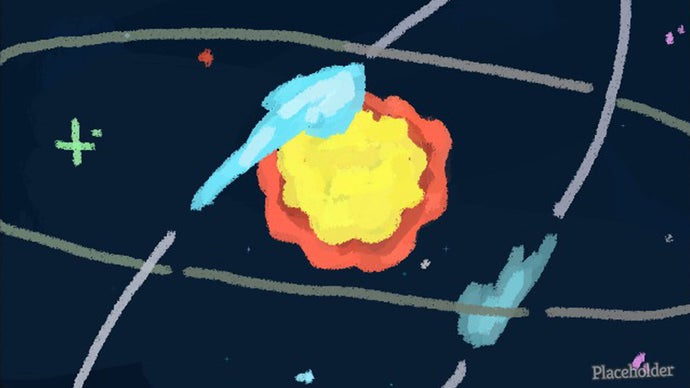
Mega Crit Games sidesteps generative AI controversy in Slay the Spire 2 by using charmingly crude, handmade placeholder art for its Early Access launch, offering a masterclass in community trust.
As Slay the Spire 2 officially lands in Early Access, developer Mega Crit Games is reminding the industry of a simple truth. Games under construction are allowed to look a bit messy. While the roguelike deckbuilder brings back the strategic depth and addictive card-slinging fans love, its work-in-progress timeline feature relies on charmingly slapdash art rather than polished assets. Instead of reaching for a prompt box to generate clean mockups, the team opted for crude digital drawings that wear their unfinished status proudly on their sleeve.
This low-tech approach stands in stark contrast to the growing friction surrounding generative tools across the industry. When major studios get caught using AI art for loading screens or background textures, the usual defense is that the assets are strictly temporary placeholders destined for eventual replacement. Players rarely accept that excuse, and the resulting backlash often damages studio reputation and community trust. Even heavyweights like Larian Studios have felt the sting of player resistance after simply hinting at future AI concept art exploration for upcoming projects.
Mega Crit sidesteps this entire minefield by leaning into transparency and humor. By making their temporary assets blatantly handmade, they remove any ambiguity and build immediate goodwill with a community that values authenticity. As Julian Benson points out over at Rock Paper Shotgun, accepting the rough edges of development is a far better look than risking player alienation with algorithmically generated shortcuts. For developers navigating early builds, a little handcrafted charm goes a long way.
Tags: Slay the Spire 2, Indie Games, PC Gaming, Game Development, Early Access
Original article: Rock Paper Shotgun