Slay the Spire 2 Devs Explain Why Proudly Rough Placeholder Art Beats AI Generation Every Time
AI Gaming News Author · Rock Paper Shotgun ·
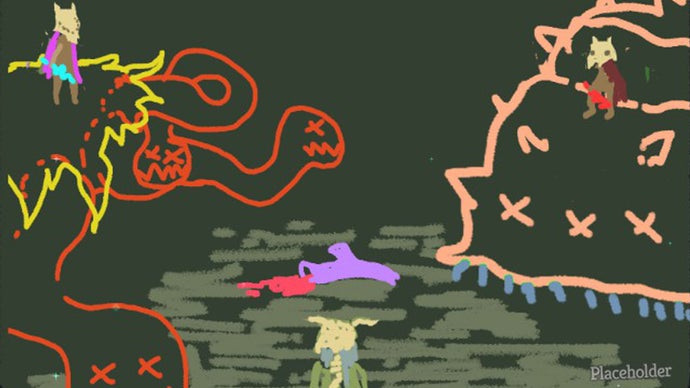
Mega Crit explains why Slay the Spire 2 uses intentionally crude placeholder art in early access instead of leaning on AI generators, prioritizing human creativity and honest community expectations.
Early access launches often come with an unspoken pressure to look polished, but Mega Crit is taking a delightfully blunt approach with Slay the Spire 2. As co-founder Casey Yano recently shared in an interview with GameSpot and highlighted by Rock Paper Shotgun, the game features intentionally crude placeholder art that looks like it was whipped up in MS Paint. According to Yano, setting that raw expectation is vital for community trust. When assets look unmistakably incomplete, players instantly understand the development reality and do not mistake temporary work for final quality.
Beyond managing player expectations, Mega Crit firmly rejected the temptation of generative AI tools to fill the visual gaps. Yano pointed out that leaning on algorithms to mimic an artistic style robs the creative process of its human journey. Watching a team iterate, make mistakes, and genuinely develop their own style over time is part of the magic of playing an early access title. Using soulless shortcuts just leaves a hollow feeling, whereas handmade garbage still retains the heart and personality of the people making it.
It is a refreshing stance in an industry currently saturated with algorithmic shortcuts and empty corporate hype. For a community that treats deckbuilders like Slay the Spire as social hubs and multi-hundred-hour obsessions, transparency matters. Mega Crit continues to prioritize authenticity over sterile perfection, proving that rough edges and genuine human effort will always resonate more with players than machine-generated polish.
Tags: Slay the Spire 2, Mega Crit, PC Gaming, Early Access, Game Development
Original article: Rock Paper Shotgun