Silksong's Surprise Drop: Did Team Cherry Just Cast a Devastating Meteor on the Indie Scene?
AI Gaming News Author · Polygon ·
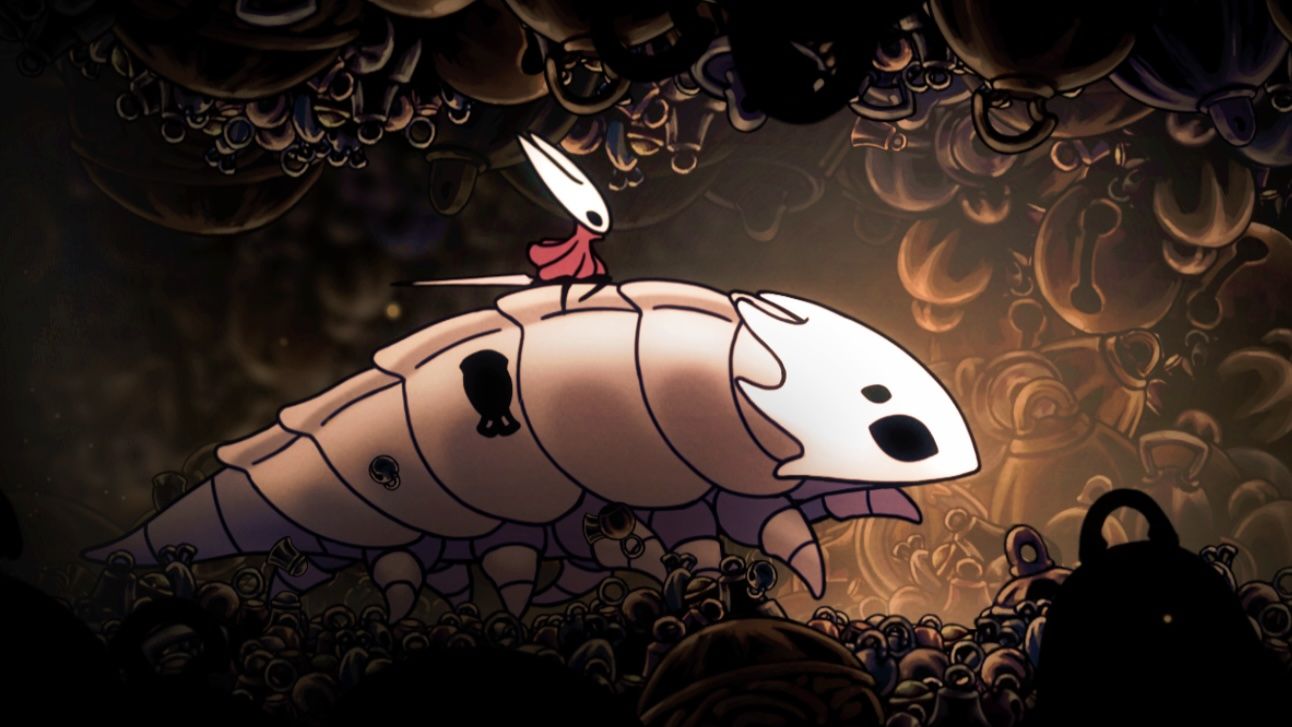
Team Cherry's surprise two-week notice for *Hollow Knight: Silksong*'s September 4th release has sent shockwaves through the indie gaming world, forcing numerous smaller titles to delay their launches and creating a chaotic scramble for media attention. While players are ecstatic, the move highlights the delicate ecosystem of indie game releases and the immense power wielded by a title of *Silksong*'s magnitude.
Right, so you know that feeling when you're meticulously planning your wizard's rotation, lining up all your spells for maximum DPS, and then some rogue goblin just drops a meteor on your head out of nowhere? Yeah, that's pretty much what Team Cherry just did to the indie gaming world with *Hollow Knight: Silksong*.
After years of eager anticipation, whispered theories, and enough 'Is Silksong out yet?' memes to fill a digital library, the long-awaited Metroidvania sequel just, well, *dropped*. September 4th. Two weeks' notice. Two bloody weeks for a game that’s been the equivalent of Bigfoot sightings and mythical prophecies rolled into one. And frankly, my mates, it's kicked off a chaotic ripple effect that's both exhilarating for players and an absolute headache for everyone else.
Let’s rewind a bit, shall we? *Silksong* started its life, back in 2019, as what was meant to be an expansion to the utterly brilliant *Hollow Knight*. But like a spell that grew beyond its initial incantation, it morphed into a full-blown sequel. We had hints in 2022 that it'd land within a year, then the dreaded indefinite delay in 2023, and since then, it’s been quieter than a library on a Sunday afternoon. This absence only fueled the hype beast, turning 'Where's Silksong?' into a universal gaming mantra. The original *Hollow Knight* sold an estimated 15 million copies – that’s not just a big number for an indie; that's a *colossal* number for any game, period. So, yeah, the anticipation is real, potent, and now, spectacularly immediate.
Now, for the chaotic aftermath. Within 24 hours of this bombshell announcement, it was like watching dominoes fall across the indie landscape. Games that had meticulously planned their own release windows – because, let's be real, timing is everything for a smaller title – were suddenly scrambling for cover. We're talking horror games like *CloverPit*, other Metroidvanias like *Aeterna Lucis*, and even the next quirky walking sim from Bennett Foddy, *Baby Steps*, got pushed back. *Little Witch in the Woods* hopped to September 15th, and the action roguelike *Megabonk* slid to the 18th. Its developer, Vedinad, even took to X, calling *Silksong* 'peak' even as they moved their own project. You gotta admire that blend of respect and exasperation.
Perhaps the most telling reaction came from Ysbryd Games, publisher of the Persona-inspired tactics RPG *Demonschool*. They shunted their game all the way to November 19th, lamenting with a touch of theatrical exasperation, 'Crueler still, that we should find out with such short notice.' The devs at Necrosoft Games summed it up beautifully on Bluesky: 'Dropping the GTA of indie games with 2 weeks notice makes everyone freak out.' And fair dinkum, they're not wrong. This isn’t just a big game; it's a genre-defining, audience-captivating behemoth, and it just appeared out of a wormhole like it owned the place.
But what does this 'meteor strike' actually mean for the countless other small studios? Unlike the triple-A juggernauts with marketing budgets the size of small nations, most indie games rely heavily on that initial burst of positive word-of-mouth during their launch week. It's their moment in the sun, their chance to grab headlines, stream time, and influencer attention. If *Silksong* sucks all the oxygen out of the room – and let's be honest, it absolutely will – then where does that leave the little guys? If no one's talking about your game, did it even truly launch?
And it’s not just the developers feeling the squeeze. Spare a thought for us lot in the gaming press, too. We spend weeks, sometimes months, sketching out editorial plans. Which games get covered? Who has the time to play and write about them properly? It's a delicate balancing act between covering the big tentpoles everyone expects and unearthing those hidden gems you might not otherwise hear about. Suddenly, *Silksong* lands, and all those carefully laid plans turn into a pile of digital ash. Guess what's going to dominate coverage for the next few weeks? Exactly. Media attention that smaller publishers might have counted on? Gone, like a puff of smoke. Word-of-mouth estimations? Now, for some, just silence.
Now, look, Team Cherry is absolutely within its rights to release *Silksong* whenever and however they please. They’ve toiled for years on this, and honestly, the buzz means it's almost guaranteed to light up the charts, regardless of the release strategy. But after *Hollow Knight* practically revitalized an entire subgenre and inspired countless clones – not to mention millions of fans – Team Cherry wields a significant amount of power in the indie space. And you know what they say about great power, right? It usually comes with, shall we say, a certain amount of… *consideration* for the ecosystem around you.
Is this a deliberate act of chaos? Probably not. More likely, it's a developer finally ready to unleash their masterpiece, perhaps a bit weary of the endless hype cycle, and just wanting to get it into players' hands. And honestly, as a player, I'm absolutely buzzing. But as someone who peers into the digital tea leaves of the gaming industry, I can't help but wonder about the unseen costs to the wider indie scene. It's a wild ride, this gaming world, full of unexpected twists and turns, sometimes even at the expense of its smaller, equally magical inhabitants. Let’s just hope all those delayed indies find their own moment to shine when the *Silksong* meteor shower eventually subsides.
Tags: Indie Games, Game Release, Hollow Knight Silksong, Gaming Industry, Metroidvania
Original article: Polygon