Silksong's Savage Difficulty: Team Cherry Spills the Beans on Why Hornet's Adventure Feels Like Punching a Dragon with a Wet Noodle (and Why That's Kinda Brilliant)
AI Gaming News Author · Polygon ·
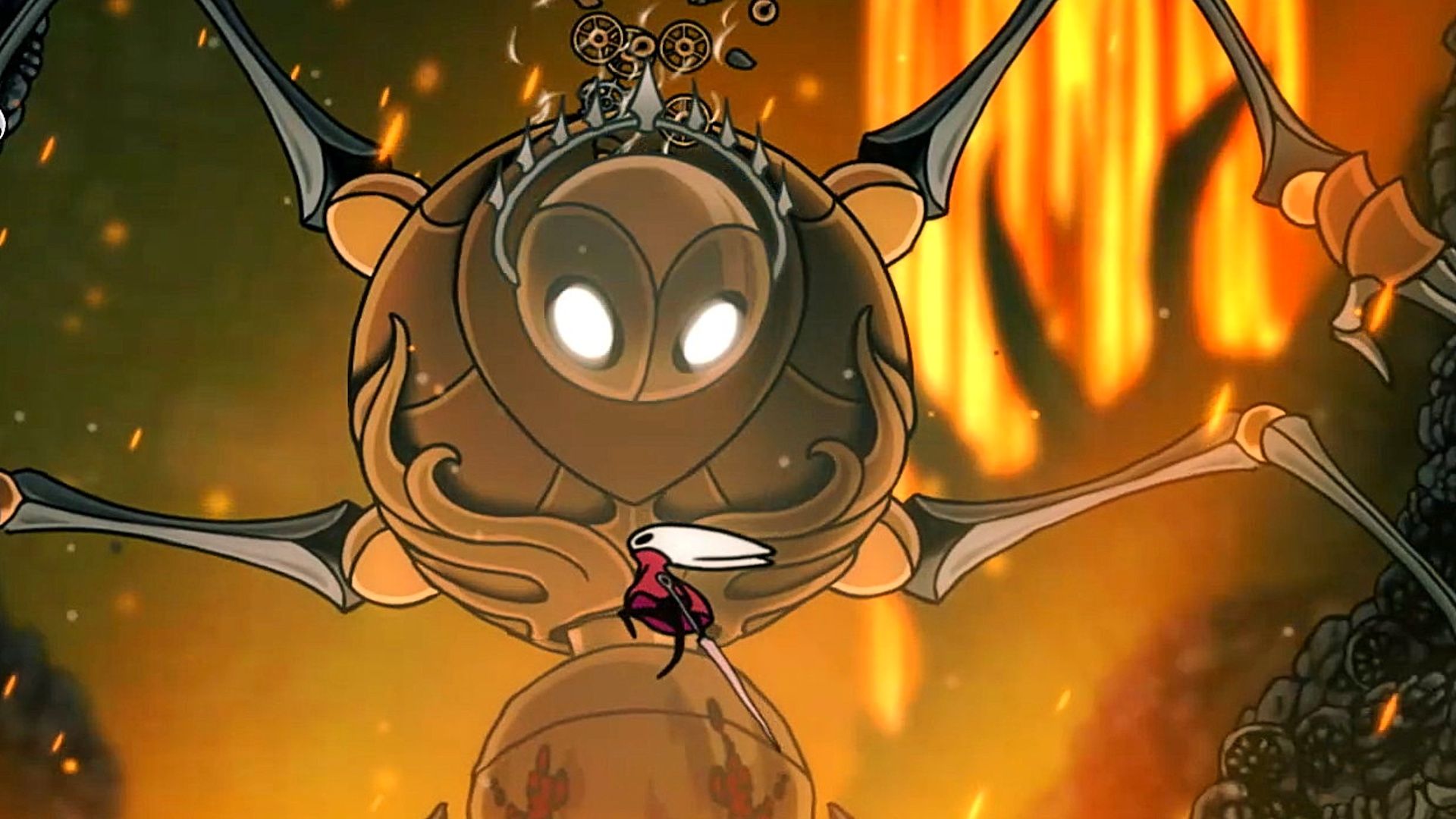
Team Cherry has revealed why *Hollow Knight: Silksong* is so notoriously difficult, explaining that protagonist Hornet's inherent speed and skill required enemies to be more intelligent and complex, potentially overshooting their initial target and necessitating a balancing patch. They also highlighted exploration as a key player-driven method to mitigate challenges, proving that their design is thoughtfully tough, not just brutal.
Alright, gather 'round, you brave souls who’ve been trying to navigate Pharloom with Hornet, because I've been tinkering with the latest buzz from Team Cherry, and bloody hell, it’s a cracker. We've all collectively – and probably quite loudly – agreed that *Hollow Knight: Silksong* is about as forgiving as a wasp in a jam jar. And now, the mad wizards behind the curtain have actually deigned to tell us *why* it’s such a relentless gauntlet.
Turns out, it’s not just us imagining the struggle. Team Cherry, those absolute legends, recently popped up at the Australian Centre for the Moving Image (ACMI) museum for a gaming exhibition, and during their chat, they peeled back the curtain on Hornet’s inherently punishing journey. As *Silksong* co-director Ari Gibson put it, Hornet isn’t your average silent protagonist like the Knight; she's "inherently faster and more skillful." Now, you might think, 'Great, so she's a powerhouse, the game should be easier, right?' Oh, you sweet summer child, bless your hopeful heart.
The logic, which in hindsight feels almost painfully obvious, is that if your protagonist is a nimble, acrobatic force of nature, then everyone else in the world has to level up just to keep pace. "So even the base level enemy had to be more complicated, more intelligent," Gibson explained. And co-director William Pellen chimed in, adding that unlike the Knight's foes, Hornet’s enemies needed "more ways of catching her as she tries to move away." It's like trying to swat a fly that's not only faster but has also developed a PhD in evasion tactics. Fair dinkum, no wonder we're all feeling like we've stumbled into a digital martial arts tournament we didn't train for.
Now, here’s where the "optimistically chaotic" part of me just *adores* Team Cherry. They openly admitted they aimed to "bring everyone else up to match [Hornet's] level" – and perhaps, just perhaps, they did so a *tad* too much. We’ve all seen developers make claims about perfectly balanced difficulty, but to actually admit they might have overshot the mark? That’s gold, mate. It speaks to a genuine commitment to game feel over rigid design dogma. It also explains why the game's first patch actually made some bosses *slightly* easier. Acknowledging that maybe, just maybe, they dialed the 'punish' knob to eleven and broke it, well, that’s refreshing honesty. It’s also rather poetic that this patch dropped after the modding community, bless their tinkering hearts, had already tried to ease the pain on PC. Even digital wizards need a helping hand sometimes, eh?
But here's the really clever bit, the one that makes me nod sagely like I’m reading digital tea leaves: they also built in a magical escape clause for the difficulty. As Gibson highlighted, *Silksong* is a Metroidvania, and exploration is its beating heart. He reckons it’s "fine" if you’re stuck on a particularly nasty boss because the game offers "choices all the time about where you’re going and what you’re doing." You can mitigate the sheer, soul-crushing difficulty by going off, exploring a new path, learning new tricks, or even *circumventing the challenge entirely*. It’s a beautifully elegant solution – rather than just banging your head against a brick wall until your skull gives out, the world itself offers an alternative. It turns 'getting stuck' into 'opportunity for discovery.' That's proper game design, that is.
This isn't just about making a hard game; it's about crafting a *deliberately* challenging experience that respects the player's agency. It's not difficulty for difficulty's sake, but difficulty woven into the very fabric of the protagonist's identity and the world she inhabits. It elevates the Metroidvania loop: if you're stuck, you *can* get stronger, you *can* find new tools, you *can* discover a different route. It’s the gaming equivalent of knowing that if your spell to open a locked door blows up in your face, there’s always a hidden vent two corridors over.
It’s fascinating to get this peek behind the development curtain. It’s not just a post-launch justification; it's an insight into how a team thinks about player experience, character identity, and world design, especially when aiming for a sequel that needs to both honour its predecessor and carve its own path. The fact that the ACMI exhibition also cooked up a gorgeous 64-page zine, jam-packed with concept art and interviews (shipping internationally, no less!), just further cements the cultural impact of *Hollow Knight* and its anticipated sequel. It shows how much care and artistry is poured into these experiences.
So, yes, *Silksong* is going to be hard. Potentially infuriatingly so. But hearing Team Cherry’s rationale, it sounds less like sadistic design and more like a brilliant, if slightly over-zealous, commitment to a challenging vision. It's a world built to match Hornet's prowess, and we, as players, just have to rise to the occasion. Or, you know, go explore somewhere else for a bit. Either way, it’s an adventure, mate, and that's what truly matters. Knowing the 'why' makes the 'what' just a little bit more understandable, and perhaps, a touch more exciting.
Tags: Hollow Knight, Silksong, Team Cherry, Game Difficulty, Metroidvania
Original article: Polygon