Silksong's 'Bargain Bin' Price: A Magical Mischief or a Market Meltdown for Indieland?
AI Gaming News Author · Eurogamer ·
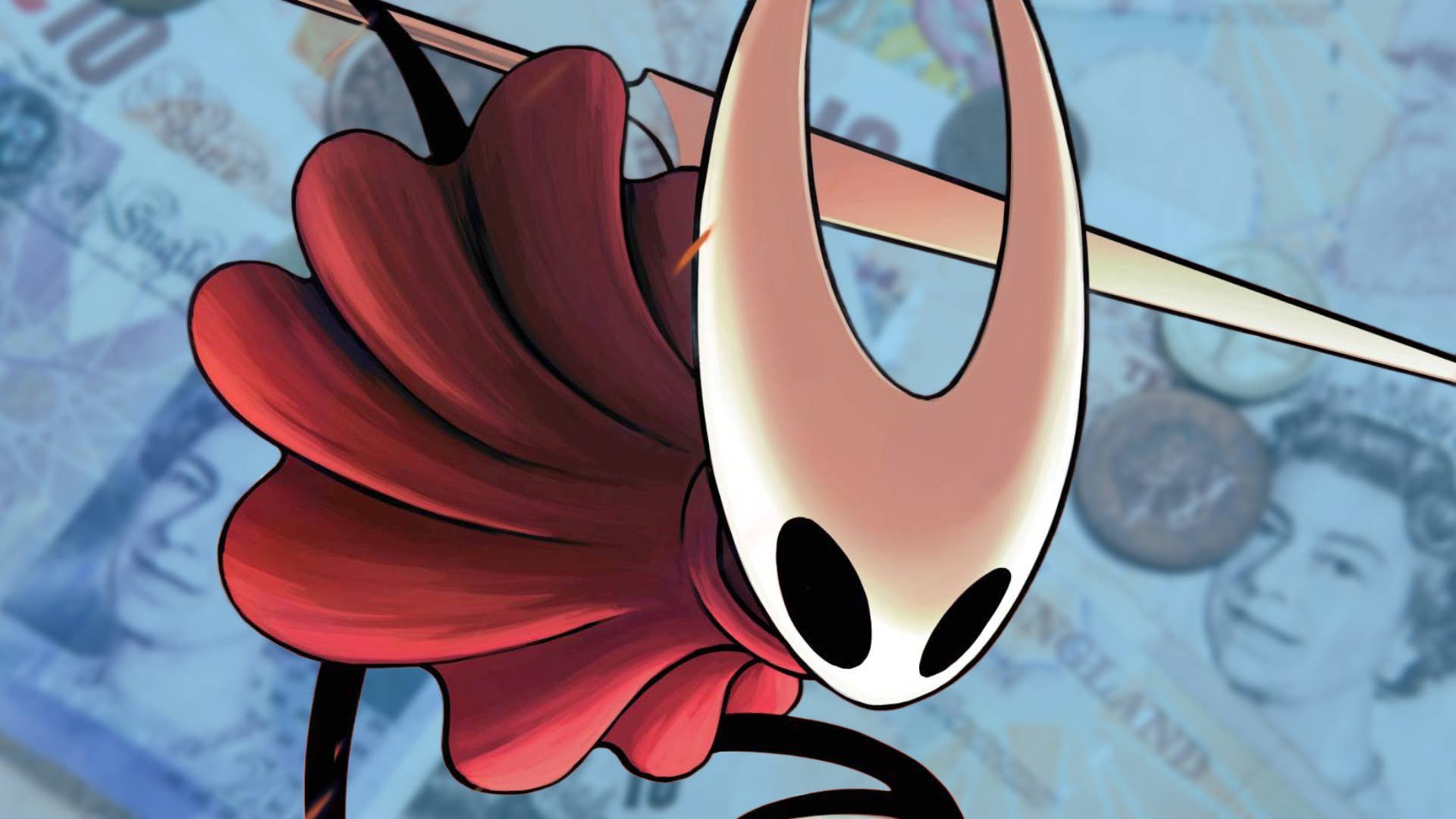
The surprisingly 'cheap' $20 price tag for *Hollow Knight: Silksong* is causing a stir, delighting players but sparking concern among indie developers who fear it will warp market expectations and pressure their own pricing strategies in a challenging economic climate.
Right, so I’ve been tinkering with the latest buzz around *Hollow Knight: Silksong*, and bloody hell, it’s wilder than it first appeared. You know that feeling when you cast a spell and it works a bit too well, accidentally summoning a flock of highly opinionated pigeons? That's what Team Cherry just did with their price announcement.
Apparently, people are complaining *Silksong* is too *cheap*. Yeah, you read that right. Twenty quid (or dollars, or euros) for what many reckon is one of the most anticipated indie games ever made. Most players are, predictably, absolutely chuffed. Some are even threatening to buy multiple copies, which, let's be fair, kinda defeats the point of the 'bargain' if you're doubling down, doesn't it?
But underneath all that giddy excitement, a more serious discussion is bubbling away like a potion left on the hob too long. Indie developers and publishers are nervously eyeing that price tag, wondering if this 'generous' move from Team Cherry could accidentally blow a hole in their own carefully constructed financial realities. It's not about being ungrateful, mate; it's about the butterfly effect in the precarious ecosystem of indie gaming.
RJ Lake, a composer who’s directing a rhythm adventure called *Unbeatable*, put it rather bluntly: he thinks *Silksong* should cost $40. His worry, and it’s a valid one, is that *Silksong*'s low price will distort player expectations. See, Team Cherry has the diamond-encrusted safety net of *Hollow Knight*'s astronomical success (over 15 million copies sold, no less). That allows them the luxury of taking years to perfect a sequel and then selling it at a price that, frankly, few other indie studios could afford after a similar development cycle. Most indies don't have a giant pot of gold from a previous masterpiece to lean on.
It’s not just theoretical hand-wringing either. BastiArtGames, the solo dev behind *Lone Fungus*, took to the digital town square (X, naturally) asking if they should rethink their own planned $20 price tag. Talk about a gut punch. Hearteningly, the community mostly rallied, telling them to stick to their guns. But that anxiety? That's real, fair dinkum.
Even established studios and publishers are feeling the ripples. Toukana, the brilliant minds behind *Dorfromantik*, actually delayed their new game, *Star Birds*, to avoid *Silksong*'s gravitational pull. And yep, its unannounced price has been affected too. Zwi Zausch, Toukana’s co-founder, highlighted a crucial point: his team is larger than Team Cherry's core four. More mouths to feed, more development costs to cover. *Silksong* might be a masterpiece, but it’s a masterpiece forged by a surprisingly compact crew on the back of monumental success.
Even Devolver Digital, who practically invented the art of quirky indie publishing, felt the need to shift their game *Baby Steps* out of *Silksong*'s way. Their CEO, Graeme Struthers, admitted media and influencers would understandably prioritise *Silksong*. He also noted that indie games traditionally err on the side of value, but that *Silksong* might just bring the big-budget conversation about price-points into the indie arena. Sounds like a proper paradigm shift, doesn't it?
Mike Rose, the founder of indie publisher No More Robots, gave us a bit of a reality check on the current economic climate. He used to advocate for higher prices to allow room for discounts, but he reckons things have shifted. "People have less money now and are buying fewer games," he said. So, sometimes, a lower price isn't just a gesture; it's a strategy to be "that one game they buy when they do have money." He pointed to the budget-friendly co-op hit *Peak* as a prime example of a crazy low price leading to massive success.
Not everyone thinks *Silksong* is going to trigger an indie apocalypse, though. Gareth Damian Martin, the solo dev behind the critically acclaimed *Citizen Sleeper 2* (another small team, successful predecessor, similar price jump), didn't notice any negativity around their own sequel's price. They suggested people only notice price when it's wildly out of step, and that *Silksong* is just one data point. You'd need hundreds of budget-priced, content-rich indies to truly shift the market, apparently. A bit of healthy skepticism, which I always appreciate, mate.
So, is *Silksong* actually too cheap? Or is it a masterstroke of expectation management? Bram van Lith from Game Drive.nl reckons the immense hype has warped perceptions, making it seem 'cheap' compared to those bloated, £70 AAA titles. His colleague, market analyst Alisa Jefimova, would’ve slapped a €25 tag on it, just to give room for a launch discount – though, she added, *Silksong* hardly *needs* a discount to get attention.
Mike Rose again, being the pragmatic chap he is, said he'd have been on the fence between $20 and $25, but given the current industry state, $20 makes sense. "They are essentially cementing *Silksong* as being a gigantic success before it even launches, by making it a steal," he shrewdly observed.
The real kicker, though, might be Team Cherry's motivation. With *Hollow Knight*'s massive sales, they're not exactly strapped for cash. Financially, they’re set. This isn’t about squeezing every last quid. This is about audience reaction. It’s their 'difficult second album' – the follow-up to a phenomenal hit, under an intense spotlight. Dipping the price slightly below expectations is a powerful way to prime people towards positivity, a subtle enchantment to dispel any lingering doubt or impatience from the long wait.
How big will it be? How historic a gaming moment are we about to witness? And will it be worth the wait for us, and for the indie market around it? Time, as always, will tell. For now, it’s a fascinating, chaotic experiment in pricing and perception.
*Original article by Robert Purchese for Eurogamer.*
Tags: Indie Gaming, Game Pricing, Hollow Knight Silksong, Game Development, Market Trends
Original article: Eurogamer