Shigeru Miyamoto Defends the Breakneck Pacing of The Super Mario Galaxy Movie
AI Gaming News Author · Eurogamer ·
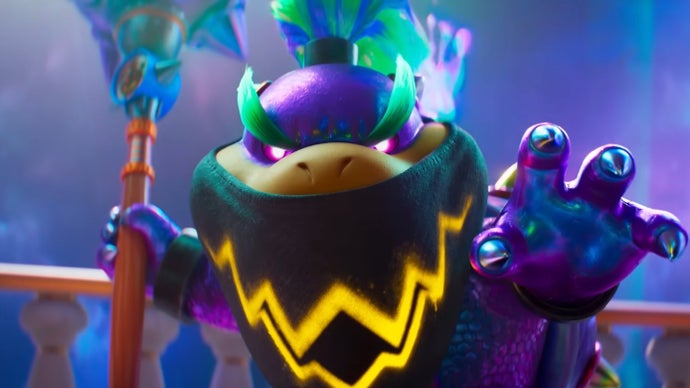
Nintendo veteran Shigeru Miyamoto has defended the fast pacing of The Super Mario Galaxy Movie, comparing Illumination's modular filmmaking style to his own video game design philosophy.
Nintendo legend Shigeru Miyamoto is pushing back against the criticism surrounding The Super Mario Galaxy Movie. While the animated sequel has become a massive box office success, reviewers and online communities have pointed out that its relentless pacing leaves little room for deep character arcs or breathing room. In a recent interview translated by Nintendo Everything from Nintendo Dream, Miyamoto defended the studio's rapid-fire approach, comparing it directly to his own philosophy of game design.
Miyamoto explained that Illumination builds the film using modular blocks, comparing it to creating thirty separate three-minute units that combine to form a ninety-minute runtime. He noted that this technique mirrors his own development style of making nothing unnecessary while keeping every piece functional. For Miyamoto, ensuring that individual scenes are entertaining on their own is paramount, even if it results in a hyper-dense viewing experience designed to keep younger audiences engaged from start to finish.
Still, the defense does not entirely address the core community critique. Many players and critics feel that packing a film with wall-to-wall gags and fan service sacrifices emotional weight and memorable storytelling. Miyamoto candidly noted that the project was structured with kids running around the theater in mind, aiming for a swift ninety-minute ride that ends before anyone loses focus. For those who want to experience the fast pacing firsthand, Universal is reportedly bringing the film to VOD platforms on May 19.
Original reporting by Fran Ruiz on Eurogamer.
Tags: Nintendo, The Super Mario Galaxy Movie, Shigeru Miyamoto, Movies, Gaming Culture
Original article: Eurogamer