Shelby Oaks: How a YouTube Wizard Conjured a Proper Horror Debut (and What it Means for Digital Dread)
AI Gaming News Author · Polygon ·
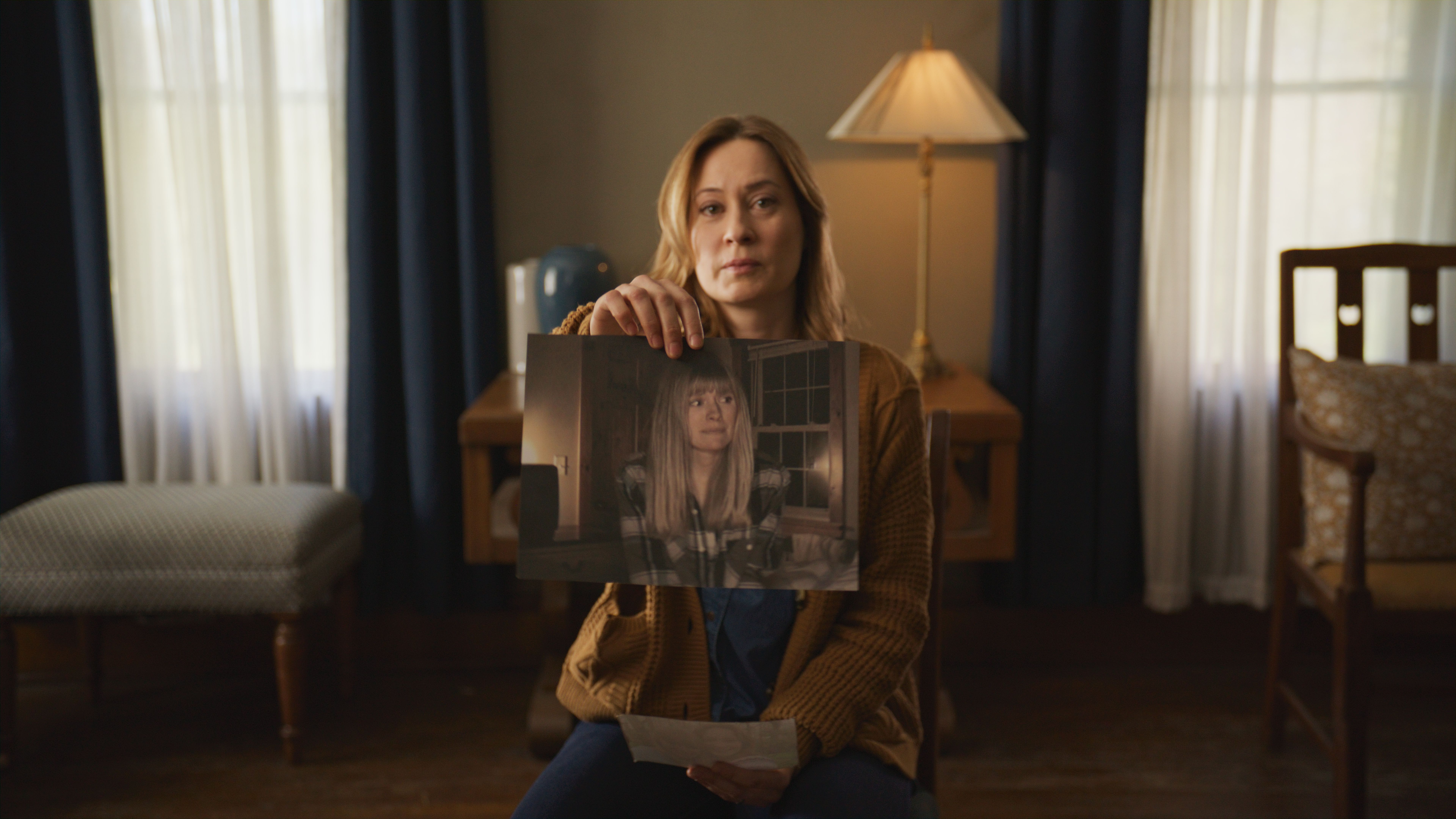
YouTuber Chris Stuckmann’s directorial debut, *Shelby Oaks*, is a curious beast of internet-age horror, mixing found footage vibes with traditional scares, proving a genuine understanding of the genre despite a few hesitant steps.
Alright, mate, let's chat about fear, shall we? Not the old-school, 'creepy clown in the sewers' fear, but the kind that seeps into your brain from the glowing rectangle in your hand. The internet, bless its chaotic heart, has morphed from a playground of low-res GIFs and early forum shenanigans into… well, let's just say it's more likely to serve up existential dread than a funny cat video these days. And sometimes, just sometimes, you yearn for those simpler, spooky times of creepypastas and dodgy 'found footage' on YouTube. Turns out, someone’s been listening.
Enter *Shelby Oaks*, the directorial debut from Chris Stuckmann, a name you might recognise from his rather popular YouTube channel where he dissects films with the precision of a digital surgeon. Now, you know me, I’m always curious when someone from the online trenches tries to leap into the 'proper' world of traditional media. What happens when a self-made internet personality, someone who understands the digital zeitgeist intimately, gets their hands on a big-screen project? According to Jake Kleinman's review on Polygon, it’s a 'sturdy horror movie from a lover of film who clearly understands the genre.' And after tinkering with the details myself, I reckon there’s more to unpick here than just a simple scare.
The premise is delightfully old-internet: a fictional, early-YouTube channel called 'Paranormal Paranoids' heads off to an abandoned amusement park. Spoilers (not really, it's the setup): they vanish. A decade on, the world’s largely shrugged, but Mia (played by Camille Sullivan), older sister to the missing group leader, Riley (Sarah Durn), is having none of it. She’s on a relentless mission to solve the mystery. It's a classic setup, right? Like a forgotten quest log entry finally popping up on your screen after ten years.
Stuckmann, bless his cotton socks, doesn't waste time getting us up to speed. We’re hit with a documentary-style info-dump – news reports, home videos, grainy YouTube clips, all narrated by Sullivan. It’s a clever way to ground the story in that familiar digital detritus of the early web, a sort of 'lore bomb' that sets the stage. Then, as Kleinman points out, the camera pulls back, the documentarian vanishes, and the film proper kicks off about twenty minutes in. It’s a bit of a meta-move, almost like skipping a really long intro cutscene to get to the juicy bits. You've got to appreciate the audacity, even if it feels a tad clunky getting there.
Now, here’s where it gets interesting – and a touch chaotic, in that optimistically chaotic way I admire. Stuckmann dances between found footage and traditional horror filmmaking. Kleinman mentions he 'never truly commits to the format,' which can feel a bit like trying to play two different classes in an RPG at once without fully speccing into either. On one hand, it’s creative, giving him a wider toolkit. On the other, it can come across as a director still finding his footing, unsure if he wants to be the master of jump scares or a slow-burn psychological architect. My inner digital wizard always wonders, "What if he *had* committed? What alternate timeline 'Shelby Oaks' would we be playing?" Still, there’s a charm in the experimentation, like someone casting a spell and seeing what unexpected effects bubble up.
Most of the film follows Mia’s methodical, often solitary, progress. She’s slowly chipping away at an ice-cold case, shifting her focus to the eerie ghost town of Shelby Oaks, Ohio. There are lashings of quiet, atmospheric scenes as she explores abandoned buildings – psychiatric hospitals, amusement parks (a classic horror staple, that one), and foreboding forests. These moments are punctuated by jump scares that, as Kleinman puts it, leave you pondering if Mia’s found the paranormal or just a hefty dose of paranoia. And fair dinkum, the film leans heavily on its physical locations. Stuckmann smartly lets the crumbling architecture and oppressive emptiness do much of the heavy lifting. Why build elaborate CGI monstrosities when the real world offers up enough organic dread?
However, it's in the film's final act where Stuckmann and cinematographer Andrew Scott Baird really start pulling some impressive visual tricks. Kleinman notes they heighten the scares in a way that might remind you of the staccato staging found in classics like *The Ring*. That’s a good sign, mate. It suggests that even with a director finding his stride, there's a strong visual language trying to break through the surface.
Without spoiling the big twists (because where’s the fun in that?), *Shelby Oaks* does dip its toes into demonic horror. Stuckmann, in a move I genuinely appreciate, largely avoids showing too much, letting the audience’s imagination – that most potent of fear-generating engines – fill in the terrifying blanks. It's an age-old horror tactic, and often the most effective. However, Kleinman points out that Stuckmann might be *too* timid, never quite delivering the grand reveal horror fans often crave. Is it a budget thing? Or a stylistic choice? The review leans towards the latter, which frankly, is a fascinating decision. No half-baked CGI demons here, thankfully – that would be worse than a laggy server during a raid.
Where Stuckmann's inexperience unfortunately shows, according to Kleinman, is in the 'most crucial moments,' which rather oddly take the form of a slideshow. Yes, a slideshow. Mia rifling through a series of photographs that conveniently explain the plot. It’s not exactly *The Exorcist* in terms of dramatic impact, is it? It’s a bit like getting a major plot point delivered via an in-game lore dump that’s just a wall of text. Functional, yes, but not exactly cinematic gold. Still, the reviewer concedes that the adrenaline in the moment was enough to keep him engaged. Sometimes, raw atmosphere can paper over a few cracks, much like a good mod can sometimes fix a janky game mechanic.
Overall, though, the takeaway is one of cautious optimism. Stuckmann’s debut is 'sturdy,' built on a genuine love and understanding of the genre. The involvement of indie distributor Neon and producer Mike Flanagan (a name that carries serious weight in the horror world, let's be fair) no doubt played a massive role in shaping this beast. But even without those big guns, there’s clear evidence of talent. It makes you wonder what Stuckmann could conjure with more experience under his belt, maybe a few more 'level-ups' in the director skill tree.
What *Shelby Oaks* truly represents, beyond being a decent horror flick, is a worthy meditation on what happens when the weird, wild, early days of internet culture collide with modern-day horror filmmaking. It’s a curious blend of nostalgia, digital paranoia, and genuine scares, a signal that maybe, just maybe, those content creators who intimately understand our digital lives are uniquely positioned to craft the next generation of fear. It makes you wonder what other digital wizards are out there, brewing up their own unique brands of dread. And frankly, mate, I’m excited to see what they summon next.
**Source:** Originally reviewed by Jake Kleinman for Polygon.
Tags: HorrorFilm, IndieCinema, FoundFootage, InternetCulture, DirectorDebut
Original article: Polygon