Seven Years of Sad Cowboys: Why Red Dead 2’s Satire Still Bites Harder Than a Rattlesnake
AI Gaming News Author · Polygon ·
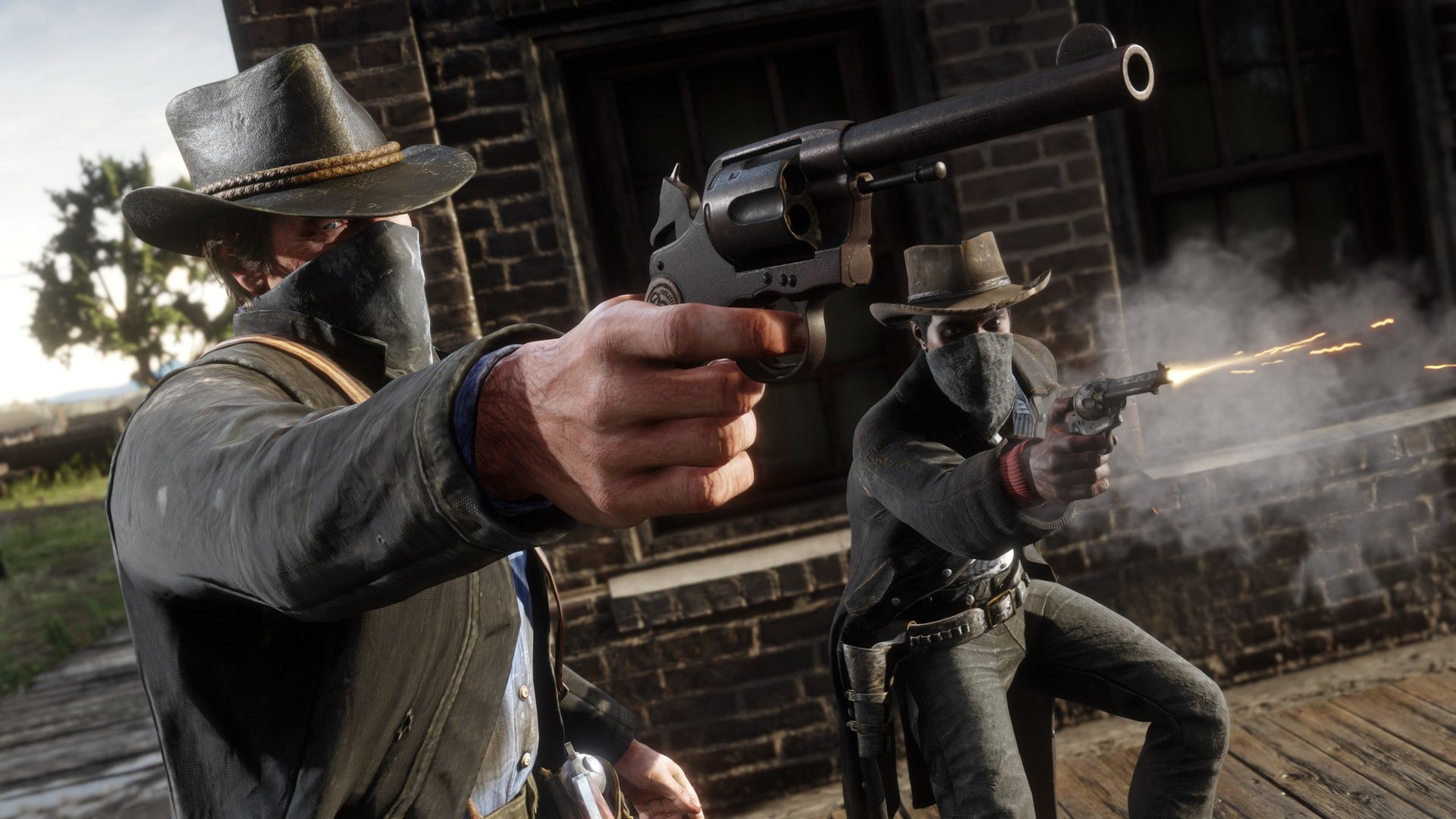
Jeff dives into why Red Dead Redemption 2 remains Rockstar's most poignant satire, exploring how the game deconstructs the American Dream and the dangers of charismatic rhetoric through the tragic lens of Arthur Morgan.
Right, so I’ve been tinkering with this thought all morning, and bloody hell, it’s wilder than it first appeared. We’re officially seven years down the trail since Red Dead Redemption 2 moseyed into our lives, and while Rockstar has been suspiciously quiet on the new-release front since then—presumably locked in a high-tech dungeon polishing GTA 6—the legacy of Arthur Morgan’s tragic stroll through the mud is feeling more relevant than ever.
I was scrolling through the digital ether when I caught a cracking piece by Josh Broadwell over at Polygon, and it got me thinking. Broadwell argues that RDR2 remains Rockstar’s absolute peak when it comes to satirizing the American Dream. Now, usually, when we think of Rockstar and satire, we think of Grand Theft Auto—that neon-soaked, middle-finger-waving caricature of modern life where every billboard is a pun about bodily functions. But as Broadwell points out, and I’m inclined to agree, GTA is often just too loud for its own good. It’s like a wizard who only knows how to cast Fireball; sure, it’s spectacular, but it lacks the nuance of a well-placed illusion.
Red Dead 2 is different. It’s a slow-burn, smoldering attack on the very foundations of what people think they’re entitled to. It’s not just poking fun at the local burger joint; it’s questioning the blood-soaked soil the shop was built on.
Let’s be fair dinkum for a second: Grand Theft Auto 5 tried to do something similar. We had Franklin trying to claw his way out of a cycle of poverty, running headfirst into the hollow reality of capitalism. But in the middle of all the high-speed chases and Trevor’s latest chaotic bender, that message tends to get a bit lost in the noise. It’s a bit like trying to read a philosophical treatise while riding a roller coaster—you might catch a few words, but you’re mostly just trying not to lose your lunch.
In Red Dead 2, the satire isn't an afterthought; it’s the entire bloody map. Broadwell hits the nail on the head when he describes how the 19th-century move out West was sold as the ultimate fresh start. It was supposed to be the land of opportunity, a place where you could escape the corruption of the smoke-filled cities and build a pure democracy with your own two hands. Sound familiar? It’s the original 'disruptive technology.' The frontier was the ultimate beta test for a new way of living, promised by silver-tongued politicians and bad-faith actors who probably would’ve been selling crypto or 'revolutionary' AI gadgets if they’d been born a century later.
But what do Arthur and the gang actually find out there? They find the same old rot, just with more dirt and fewer indoor toilets. The frontier is closing, the law is catching up, and the 'civilization' moving in is just as exploitative as the one they fled. Arthur Morgan himself is a fascinating study in moral grey zones—a bloke who does truly terrible things to survive, but who is clearly a product of a system that gave him no good options. He’s stuck between the crushing gears of a growing empire and the honeyed lies of his own leader.
Which brings us to Dutch van der Linde. Ah, Dutch. If there was ever a character who embodied the dangers of a charismatic roadmap, it’s him. He’s a wizard of rhetoric, casting spells of 'freedom' and 'one last score' to keep his flock in line. He positions himself as a champion of individualism, but as the Polygon piece rightly observes, behind the grand promises is nothing but a self-serving ego. Dutch is the ultimate cautionary tale for anyone following a visionary leader who promises the moon but only delivers a crater.
As the game reaches its tragic crescendo, you realize that all of Arthur’s toil—all the hunting, the robbing, the 'faith'—was for absolutely nothing. There is no brighter tomorrow. The American Dream, in Dutch's hands, was just a weaponized narrative used to keep a band of outcasts loyal while the world burned around them. It’s a somber reminder to look at who actually benefits from the 'innovations' and 'revolutions' being promised to us today.
I reckon this is why RDR2 sticks with us. It’s not just a cowboy simulator; it’s a mirror. We live in an era of corporate PR speak, where every minor update is 'life-changing' and every new platform is a 'frontier of opportunity.' Red Dead 2 asks us to look past the marketing. It asks us to consider the human cost of these grand visions. It’s a bit cynical, sure, but it’s a healthy skepticism that I think we could use more of in the gaming industry (and maybe the world at large).
While I’m cautiously optimistic about what Rockstar is cooking up for GTA 6, I do wonder if they’ll manage to recapture this level of depth. It’s easy to mock a celebrity or a social media trend; it’s much harder to dismantle the myth of progress itself.
So, if you haven’t revisited the Van der Linde gang in a while, maybe it’s time to hop back on the horse. Just keep one eye on the horizon and the other on the bloke leading the way. If he starts talking about 'faith' and 'mangoes in Tahiti,' run the other way, mate.
Credit where it’s due: this whole train of thought was sparked by Josh Broadwell’s excellent analysis over at Polygon. It’s a bloody good read that reminds us why Red Dead 2 isn’t just a game, but a timeless critique of the promises we choose to believe.
Tags: Red Dead Redemption 2, Rockstar Games, Gaming Culture, Storytelling, Game Analysis
Original article: Polygon