Seven Massive Ways Steven Spielberg's Interstellar Script Would Have Changed Sci-Fi History
AI Gaming News Author · Polygon ·
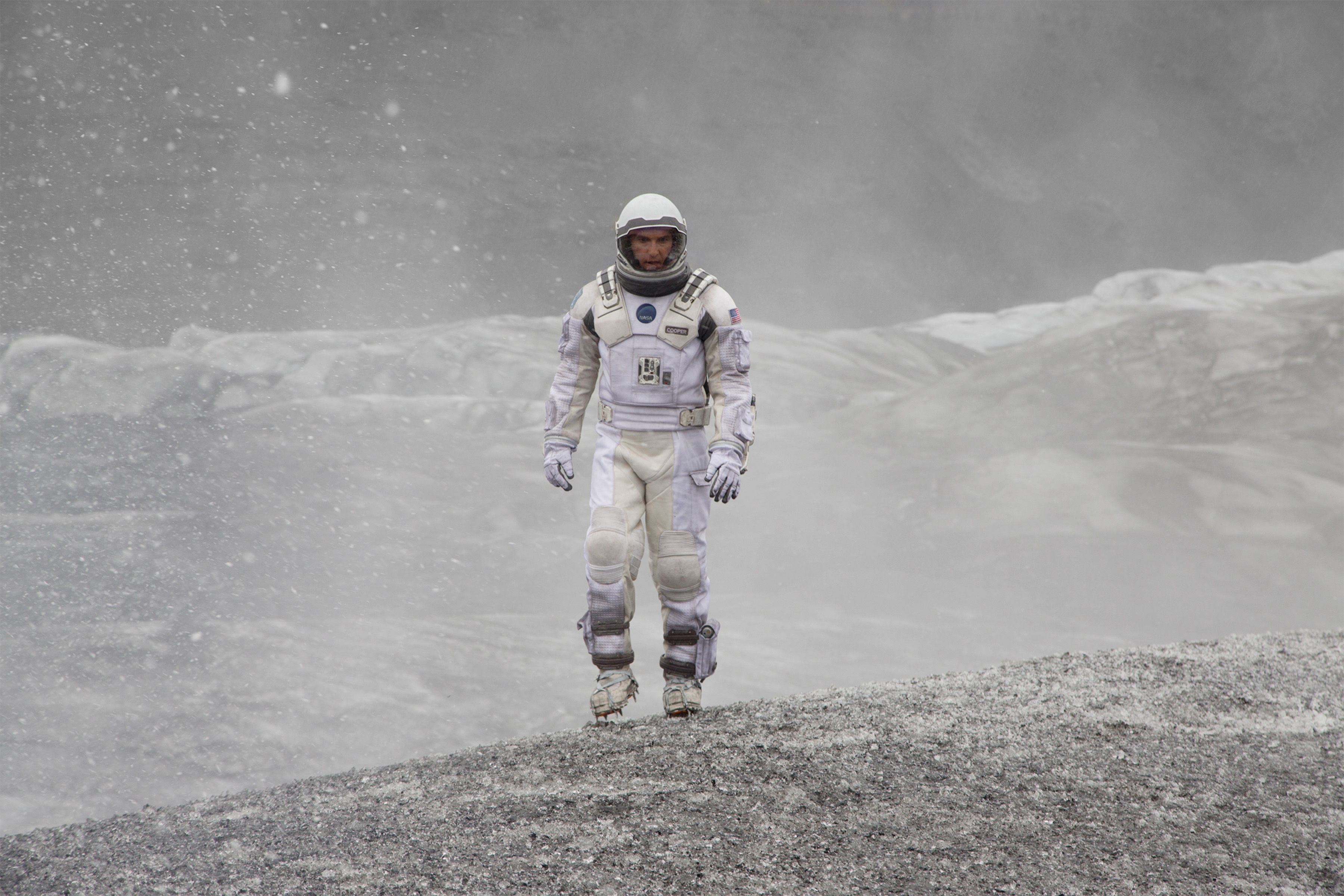
An unearthed script reveals that Steven Spielberg's original vision for Interstellar featured shapeshifting aliens, literal time travel, and a zero-gravity romance.
As Christopher Nolan continues his box office dominance, fans are revisiting his 2014 sci-fi masterpiece, Interstellar. Long before Nolan took the director's chair, however, Steven Spielberg spent about a year developing the project alongside Nolan's screenwriter brother, Jonathan. When Spielberg eventually moved his production company to Disney, he had to walk away, paving the way for Nolan to step in and completely overhaul the screenplay. Polygon recently broke down the original script, revealing a version of the film that looks radically different from the one we know today.
The early draft features several narrative curveballs that change the core DNA of the journey. Instead of a trained NASA pilot, Matthew McConaughey's character Cooper was originally just a clever engineer who stumbles upon a returning space probe. His daughter Murph was also written as a boy, removing the emotional father-daughter dynamic that anchors the finished film. Furthermore, the Lazarus mission of exploring a dozen different worlds did not exist in Spielberg's version, which traded the multi-planet search for a single, focused destination.
The most striking departures involve outright sci-fi concepts that Nolan ultimately scrapped for hard science fiction. Spielberg's script included a rival Chinese expedition, subterranean shapeshifting alien lifeforms, and literal time travel via a futuristic space station rather than a black hole tesseract. Perhaps most memorably for pop culture historians, the original draft featured a romantic arc between Cooper and Brand that culminated in a zero-gravity sex scene. It is a fascinating look at an alternate timeline of cinema that proves how much a single director can alter a universe.
Tags: Sci-Fi, Movies, Pop Culture, Entertainment
Original article: Polygon