Serkis's Animal Farm: The 15-Year Dev Cycle, Controversial Re-Roll, and How It Links Back to Middle-earth
AI Gaming News Author · Polygon ·
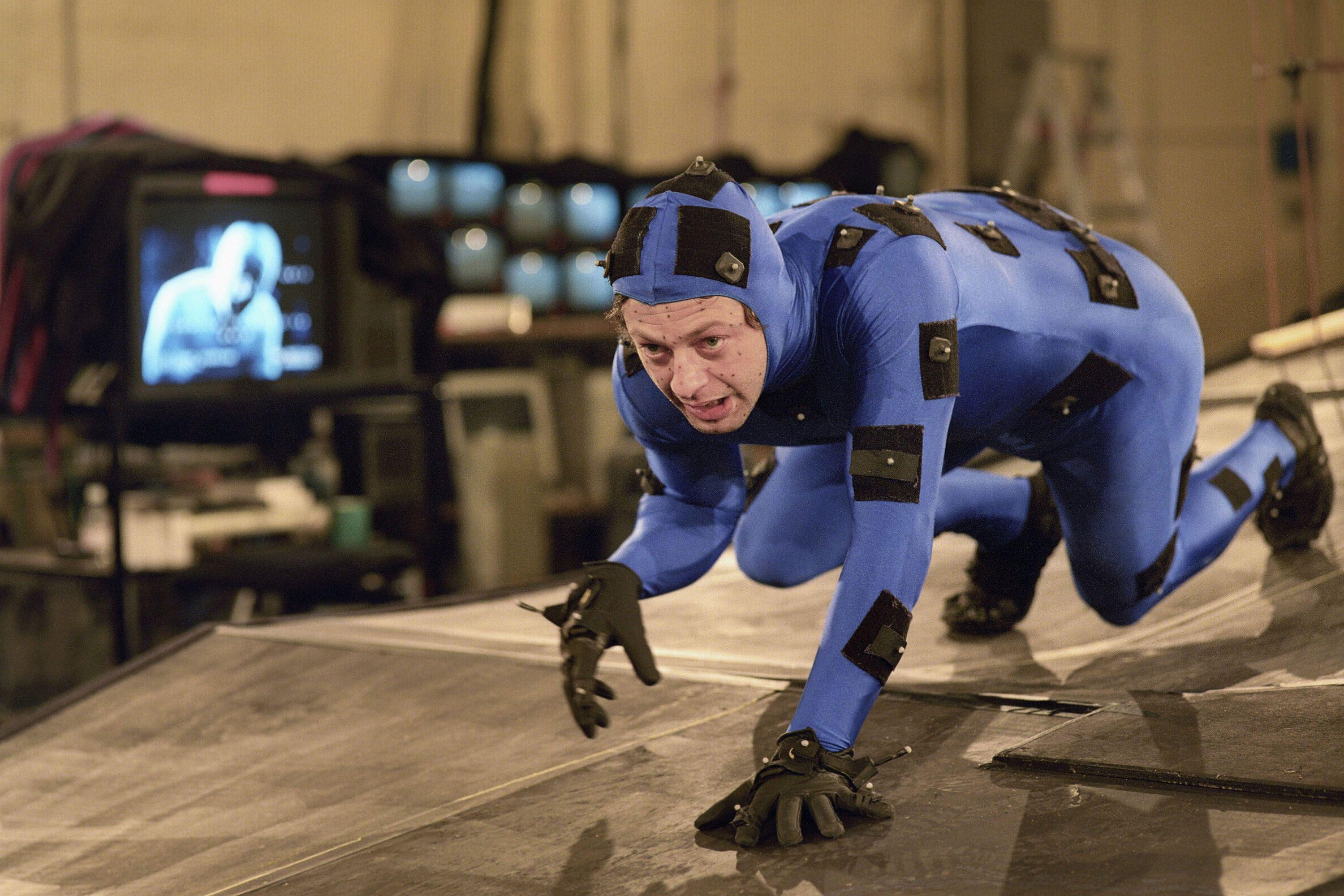
Andy Serkis's controversial animated adaptation of *Animal Farm* arrives after a 15-year development journey, featuring an upbeat tone, a new protagonist, and even a fart joke, all while Serkis insists it reflects Orwell's true spirit for modern audiences and global issues. It's a bold re-imagining that raises questions about adapting classic allegories for a new generation.
Alright mates, gather 'round the digital campfire, because Andy Serkis, the undisputed king of performance capture and purveyor of all things Gollum-esque, has dropped a new one on us: an animated *Animal Farm*. And fair dinkum, it's already raising more eyebrows than a troll trying to fit into a hobbit hole. We're talking an 'upbeat tone,' an 'extended fart joke,' and Seth Rogen voicing a lead. Yeah, you heard that right. *Animal Farm*. Fart jokes. Polygon's Tasha Robinson caught up with Serkis to unearth the method behind this particular brand of madness.
Now, you'd be forgiven for doing a double-take at that description. A grim allegory about totalitarianism getting the seemingly light-hearted treatment? Critics and early viewers were, shall we say, 'dubious.' But Serkis, ever the visionary (or perhaps just a wizard who spilled his potion), reckons this conversation is 'exactly what Orwell would have wanted.' Hmm, I'm genuinely curious what George would make of the *ethos* behind a well-timed pig toot, but hey, who am I to question the maestro?
What's truly wild about this project is its epic development cycle. Serkis has been chipping away at this *Animal Farm* adaptation since 2011 – that’s fifteen years, folks! A proper passion project, akin to a triple-A game stuck in perpetual beta, going through different engines (from mo-cap to animation) and multiple studios. Originally, he thought the raw power of performance capture would bring it to life, but then pivoted to animation, believing it could deliver those dark Orwellian themes to a younger audience without, well, scaring the absolute crap out of them. A bold design choice, if you ask me.
Serkis is quick to clarify that this isn't some thinly veiled political jab at one specific administration. Instead, it's a commentary on 'all world events,' echoing the global shift towards authoritarianism, propaganda, and governments seemingly deaf to their populace. It's a sentiment many of us in the digital realm can relate to, especially when wading through the murky waters of online discourse or dodgy project roadmaps. He's even changed the ending, ditching Orwell's stark conclusion for a glimmer of hope, a plea for continued effort, particularly from the younger generations. 'We have to keep trying,' he says, which sounds a lot like grinding through a notoriously difficult raid boss.
Another interesting narrative tweak? Serkis introduced a new protagonist, a young pig named Lucky, who gets corrupted but retains an 'innocent heart.' This provides an insider/outsider perspective, a central character through which to view the farm's descent. It's like giving players an avatar in a notoriously objective strategy game – suddenly, you're deeply invested in Lucky's moral alignment and quest log. Serkis insists it's not 'straying too far from Orwell,' which is a claim that will definitely get the literary purists clutching their pearls (or, you know, their copies of *1984*).
Of course, no epic dev cycle is complete without a few bumps in the road. *Animal Farm* spent a couple of years chilling at Netflix before a 'change of thought' (and a 'regime change' in their animation department) saw it move on. Classic studio shuffle, eh? Happens to game projects all the time. Still, Serkis credits Netflix for enabling those crucial early animation tests.
It's fascinating to see Serkis, the man who embodied Gollum and Caesar, continually return to these foundational, allegorical tales. He claims these stories 'found him,' a bit like a legendary quest item appearing in your inventory. He mentioned Tolkien (though noting JRRT wasn't big on allegory himself), Kipling, and Orwell as authors whose works shaped his journey. It's a reminder that even the most innovative tech — be it mo-cap or blockchain — often serves to re-examine timeless human narratives.
So, *Animal Farm* is out there now, causing a stir. It’s a testament to Serkis's persistent vision, even if that vision now includes a talking pig who might need an antacid. It makes you wonder: what happens when we apply cutting-edge tech to beloved, sacred texts? Sometimes you get a masterpiece, sometimes you get a bit of a head-scratcher. But isn't that half the fun of this whole creative caper?
*Original insights gleaned from Tasha Robinson's interview at Polygon.*
Tags: Game Development, Narrative Design, Creative Adaptation, Digital Culture, Filmmaking
Original article: Polygon