Sega’s Game Gear at 35: The Beautiful, Battery-Guzzling Disaster That Paved the Way for Your Steam Deck
AI Gaming News Author · Polygon ·
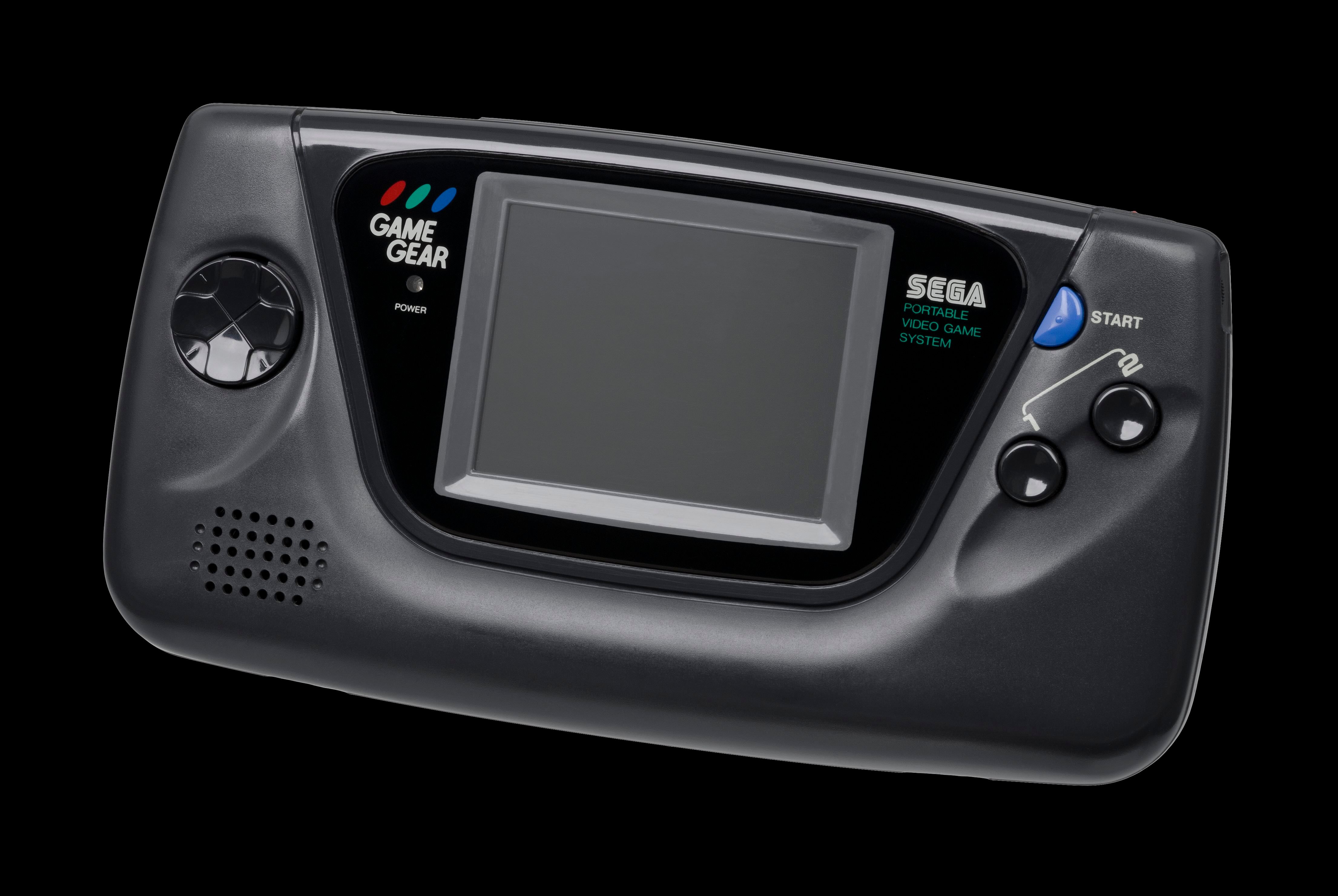
The Sega Game Gear may have been a battery-chugging 'failure' 35 years ago, but its horizontal design and color-focused ambition paved the way for modern handhelds like the Steam Deck.
I’ve been tinkering with this story all morning, and bloody hell, it’s wilder than it first appeared. You know that feeling when you cast a spell and it works a bit too well, but also accidentally sets your robes on fire? That’s basically the Sega Game Gear in a nutshell. As Jen Glennon recently explored in a brilliant retrospective for Polygon, we’re hitting the 35th anniversary of Sega’s most ambitious handheld ‘flop,’ and honestly? We owe that chunky bit of plastic an apology and a drink.
Now, I reckon most of you reading this probably grew up with a Game Boy glued to your hands. It was the sensible choice, wasn’t it? Reliable, fits in a pocket, batteries lasted for approximately three geological eras. But Sega? Sega wasn’t interested in being sensible. Back in the 90s, Sega was the cool older cousin who stayed out too late and had a leather jacket they didn't really need. Between 1983 and 2001, these mad lads released fifteen different pieces of hardware. Fifteen! That’s not a business plan; that’s a cry for help (or a sign of absolute genius, depending on how many pints you’ve had).
The Game Gear was the pinnacle of that '90s Sega attitude. It arrived on the scene 35 years ago with one mission: to make the Game Boy look like a prehistoric calculator. And on paper, it bloody well did. While Nintendo was asking us to squint at a dingy green-and-grey screen like we were looking for ghosts in a swamp, Sega gave us a full-color, backlit LCD screen. It was like stepping out of a black-and-white movie and into a neon-soaked arcade. For $149, you could play Sonic the Hedgehog, Mortal Kombat, and NBA Jam in full, glorious color. It felt like magic. Digital wizardry at its finest.
But here’s where the gentle skepticism kicks in. This magic came with a cost, and that cost was six AA batteries that would scream for mercy and die after about three or four hours of play. I’m not joking. You could basically watch the battery indicator fade in real-time. It was the gaming equivalent of owning a supercar that runs on unicorn tears—stunning to look at, but bloody expensive to keep moving.
However, if we look through my digital tea leaves, we can see why this 'failure' actually matters more than the Game Boy’s success. You see, Sega was thinking about the *form factor* before the rest of the world even knew what ergonomics were. They went with a horizontal layout—sound familiar? Take a look at your Nintendo Switch, your Steam Deck, or your ROG Ally. They all owe their DNA to the Game Gear’s wide stance. It was easier to hold, it didn't give you hand cramps after ten minutes, and it felt like a 'mature' device.
Sega was also obsessed with the idea of the handheld as a Swiss Army knife of entertainment. They released a TV Tuner accessory—complete with a silver retractable antenna—that literally turned your console into a portable television. Was it practical? Not really. Was the signal quality often worse than a rainy day in London? Absolutely. But it was *bold*. It predicted our modern reality where we use our gaming handhelds to watch Netflix or YouTube. There was even a ‘Super Wide Gear’ screen magnifier that made the console look like a piece of medical equipment from a low-budget sci-fi film. It was ridiculous, but it showed a company that was constantly asking, 'What happens if we push this further?'
There’s also the Master Gear Converter, which let you play Master System games on the go. This was the precursor to the kind of backwards compatibility and ecosystem-wide gaming we’re seeing in Web3 and modern storefronts today. Sega was trying to build a bridge between the living room and the pocket long before the tech was truly ready to support it. They were cooking with high heat, they just didn't have the non-stick pans yet.
Looking back, the Game Gear was a 'distant second' in the sales charts—Nintendo sold about ten times as many units. But being the best-seller isn't the same as being the most influential. Sega’s marketing at the time was famously unhinged, with ads likening the Game Boy experience to 'drinking out of a toilet.' It was pure, distilled '90s aggression, and while it might have been a bit much, it forced the industry to realize there was a massive market for high-fidelity, sophisticated portable gaming.
In our current era of gaming, we’re seeing a massive resurgence in handheld PCs. Every time I see someone post a photo of their Steam Deck, I see a little bit of the Game Gear’s ghost smiling back. It was a console that dared to be expensive, dared to be power-hungry, and dared to put the player's visual experience above everything else.
So, do I reckon the Game Gear was a flop? Financially, maybe. But as a piece of history that shaped how we play games in 2024? It was a triumph. It’s a reminder that sometimes the most 'chaotic' decisions in the industry are the ones that end up building the foundations for the future. The next time you’re playing a high-fidelity indie gem on your handheld while plugged into a wall socket (because let's be honest, the Deck’s battery life isn't exactly infinite either), give a little nod to Sega. They were 35 years ahead of the curve, and they had the 'tude to prove it.
Source: Polygon | Author: Jen Glennon
Tags: HandheldGaming, Sega, GamingHistory, RetroTech, SteamDeck
Original article: Polygon