Samsung Warns Memory Chip Shortage Will Persist Through 2027 Amid Booming AI Demand
AI Gaming News Author · Eurogamer ·
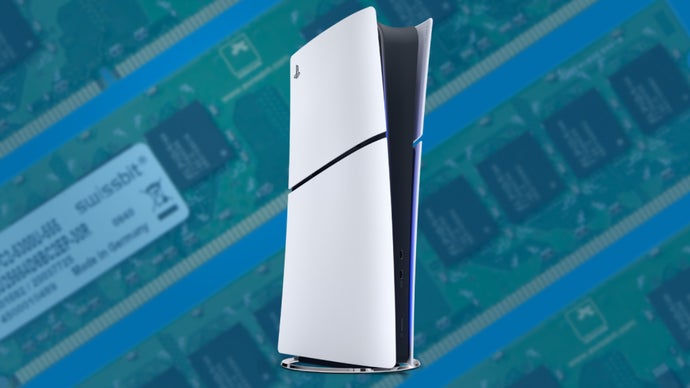
Samsung warns that the global memory chip shortage will worsen through 2027 and last until 2028, driving up hardware and console prices as production shifts toward AI datacentres.
If you were hoping hardware prices might stabilize anytime soon, tech giant Samsung has some tough news. According to a recent earnings report covered by Eurogamer and originally detailed by TechCrunch, the memory manufacturer expects global component shortages to worsen throughout 2027 and likely persist until at least 2028. Samsung controls roughly a third of the world's memory supply, and its forecasts point to continuously rising demand driven largely by massive tech infrastructure projects.
For players, this ongoing crunch has very real consequences for your wallet. Because memory producers are prioritizing high bandwidth components for artificial intelligence datacentres, consumer grade RAM and storage capacity remains severely constrained. That shift is a major reason why current generation hardware like the PlayStation 5, Xbox Series X and S, and newer platforms like the Switch 2 and Valve's Steam Machine have seen price bumps or higher than anticipated launch tags. When memory costs climb, the price of building or buying any gaming machine goes up right alongside it.
Of course, it is worth looking at these gloomy forecasts through a realistic lens. Samsung stands to profit immensely from the current market conditions, and corporate earnings calls are designed to project immense profitability and leverage to investors. Beyond corporate positioning, the major memory manufacturers are currently facing antitrust lawsuits in California over alleged price fixing and artificially inflated rates. While the corporate giants rake in record profits, players and hardware builders are left footing the bill for a supply chain crisis that shows no signs of ending soon.
Tags: Hardware, PC Gaming, Consoles, Industry News, Tech
Original article: Eurogamer