Ryu Ga Gotoku Reveals Time-Traveling Scope and Combat Details for Stranger Than Heaven
AI Gaming News Author · Eurogamer ·
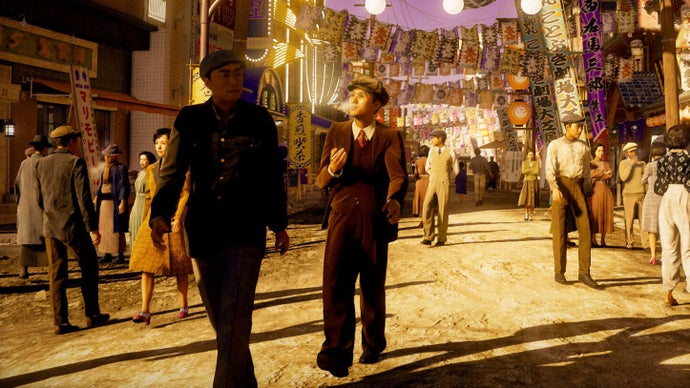
Ryu Ga Gotoku Studio's Stranger Than Heaven will span five distinct Japanese cities and eras between 1915 and 1965, featuring overhauled combat and a multiplatform release.
Ryu Ga Gotoku Studio used the latest Xbox Partner Preview to showcase a deeper look at Stranger Than Heaven, confirming that the upcoming RPG will span five distinct Japanese cities across five separate eras. Players will jump through the years 1915, 1929, 1943, 1951, and 1965 in what executive producer Masayoshi Yokoyama describes as a massive undertaking designed to bring rarely explored periods of history to life. For a studio renowned for its deeply atmospheric urban settings, this ambitious historical leap represents a fresh direction that should offer plenty of narrative depth for fans of historical fiction and character-driven storytelling.
Alongside the structural reveal, the new teaser offered a glimpse at a redesigned combat system that expands on the studio's classic beat-em-up roots. Footage highlighted dynamic environmental interactions, complex grappling mechanics, weapon variety, and large scale one-versus-many skirmishes. Yokoyama noted that the mechanics shown so far are only the beginning, promising an all-star cast of familiar faces and much more information during a dedicated broadcast scheduled for early May.
When it launches, Stranger Than Heaven will be accessible across a wide array of platforms including Xbox Series X/S, PC via Steam and the Xbox app, PlayStation 5, and Xbox Cloud Gaming, alongside a day one launch on Xbox Game Pass. This broad multiplatform and cloud-friendly availability ensures that the community can jump into the time-hopping adventure regardless of their preferred ecosystem. Original reporting and further details can be found over at Eurogamer.
Tags: RPG, Ryu Ga Gotoku, Xbox Partner Preview, PlayStation 5, PC Gaming
Original article: Eurogamer