Running on Empty? Mastering the Arcane Arts (and Mana Bars) of Vampire Crawlers
AI Gaming News Author · Polygon ·
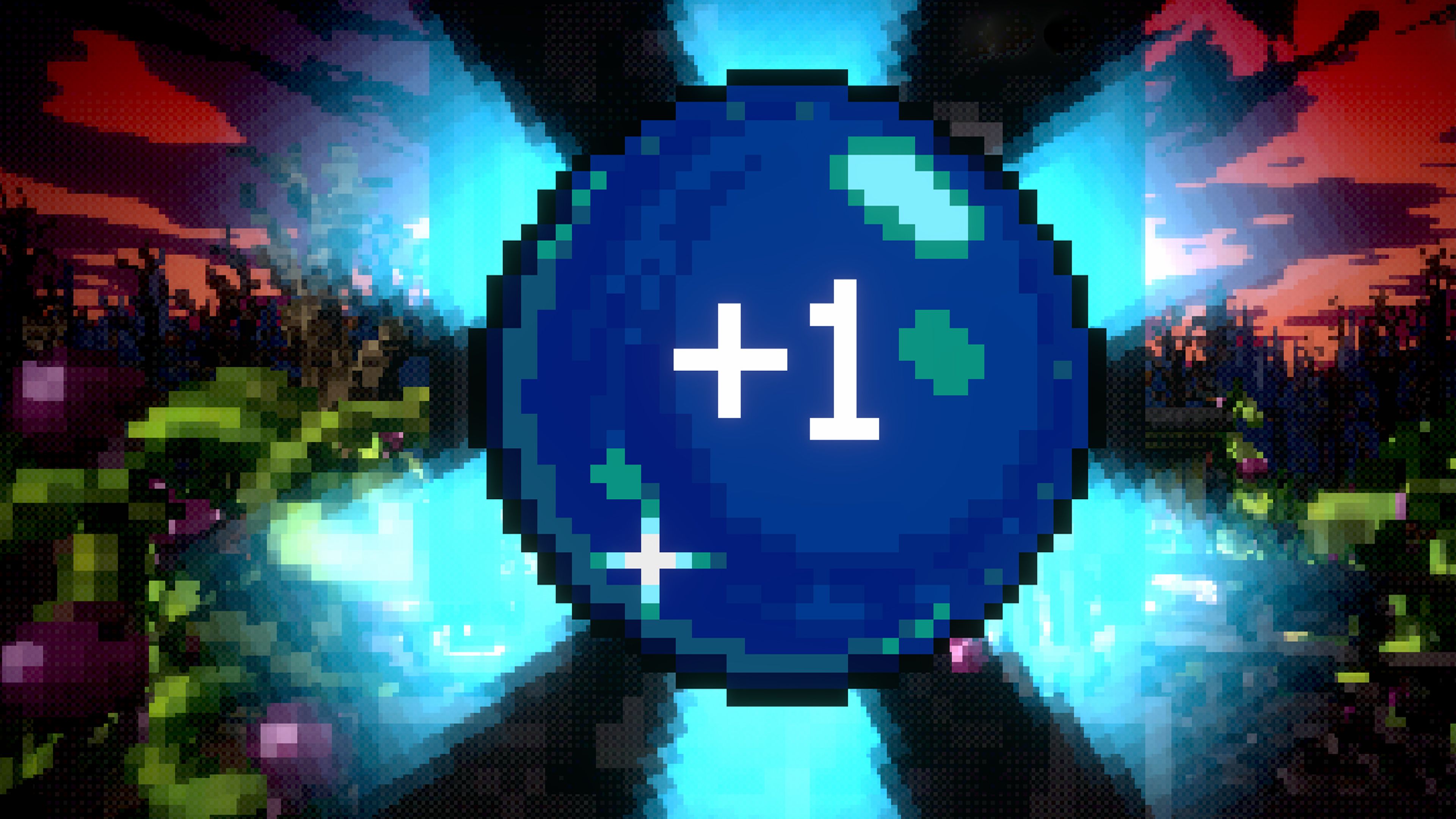
Jeff dives into the mana-starved world of Vampire Crawlers, explaining why smashing rocks and collecting Tomes is the secret to turning your puny 3-mana pool into an arcane powerhouse.
Right, I’ve been tinkering with this story all morning, and bloody hell, it’s wilder than it first appeared. If you’re anything like me, you’ve likely spent an embarrassing number of hours dodging pixelated bats and wondering where your life went in the original *Vampire Survivors*. Well, the universe is expanding, and *Vampire Crawlers*—the latest 'Turbo Wildcard' from the folks at poncle and Nosebleed Interactive—is here to eat your weekends. But there’s a catch. Instead of just running around like a headless chicken, we’ve got cards now. And cards, my friends, require mana.
You know that feeling when you cast a spell and it works a bit too well, but then you realize you’ve got no juice left for the next one? That’s the core struggle here. In a recent breakdown over at Polygon, author Marloes Valentina Stella highlighted exactly how this mana economy works, and it’s a bit of a cheeky puzzle if you’re just starting out. You step into a dungeon, feeling like a digital god, only to realize you’ve got a measly three mana per round. It’s like trying to power a laser array with a couple of AA batteries.
### The 'Three Mana' Trap
Here is the reality of the situation: most of the cards you actually *want* to play—the ones that make things explode or turn the screen into a disco of death—have a cost. If you’re holding a 2-cost card and a 3-cost card, but your mana pool is capped at 3, you’re stuck playing one and watching the other sit there like a cold pint you can't reach. Since *Vampire Crawlers* is built on the back of long, satisfying combos, being capped at three mana is basically the game’s way of telling you to 'get gud' or at least get smarter.
Now, I’m always a bit skeptical when a game introduces a resource bottleneck. Is it a genuine tactical challenge, or just a way to make us grind? In this case, it feels like a classic rogue-lite hurdle. You start weak, you feel the pinch, and then you find the 'cheat codes' hidden in the gameplay loop to break the system wide open. That’s where the fun lives, honestly.
### Smashing Rocks for Fun and Profit
If you’re a fresh-faced crawler, your first port of call isn't some grand quest; it’s property damage. According to the original reporting by Polygon, the most reliable way to boost your mana early on is to channel your inner vandal. Keep an eye out for those large, grey, shiny stone slabs. Smash them, and if the RNG gods are smiling, you’ll find a mana orb.
I reckon there’s something poetic about finding arcane power inside a rock. It’s the ultimate 'low-tech meets high-magic' vibe. Once you’ve secured two of these orbs, the game finally decides you’re worthy and unlocks Tome cards. This is where the digital tea leaves start to show a much brighter future for your deck.
### The Wizard’s Toolkit: Understanding Tomes
Once unlocked, these Tomes start appearing in your draws, and they are the bread and butter of any decent run. Here’s the breakdown of what you’re looking for:
* **Empty Tome:** It’s free! Costs 0 mana and gives you 1 back. It’s the gateway drug of mana management. * **Light Tome:** Costs 1, gives 2. A fair trade in my book. * **Weighty Tome:** Costs 2, gives 3. Starting to see the pattern here? * **Ancient Tome:** The big daddy. Costs 3, but rewards you with 4 mana.
But wait, there’s more. If you use these as part of a combo, the effects can skyrocket. This is where the 'cautiously optimistic' part of my brain starts tingle. It’s not just about linear progression; it’s about finding those synergistic sweet spots where a single card draw turns a failing run into a legendary one. That’s the 'human story' behind the mechanics—that moment of triumph when the math finally clicks in your favor.
### Character Synergies: The Arca Advantage
If smashing rocks and reading books isn't enough, you’ve got to look at who you’re actually playing. Take Arca, for example. She’s got a mana-replenishing ability that triggers whenever you play a purple card. This is the kind of design I love—where your choice of character fundamentally changes how you interact with the game's economy. It moves the needle from 'random luck' to 'calculated strategy,' which is exactly what a curious gamer wants to see.
### The Big Picture: Why We Care
So, what does this actually mean for the state of the genre? We’re seeing a fascinating shift where 'survivor-likes' are merging with deckbuilders. It’s a trend I’ve been watching closely, and while some corporate PR might try to sell this as a 'revolutionary paradigm shift in interactive entertainment' (bloody hell, I hate buzzwords), it’s really just about making the 'one more run' loop more engaging.
Is it perfect? Probably not. I’m always a bit wary of resource management that feels like a chore, but *Vampire Crawlers* seems to be handling it with that classic poncle charm. It challenges you to think ahead without losing that chaotic, screen-clearing joy we all crave.
Whether you’re a Web3 enthusiast looking for the next evolution of digital asset utility or just a gamer who wants to blow up some monsters after work, mastering the mana pool is your ticket to the big leagues. Just remember: smash the rocks, read the books, and maybe pick Arca if you’re tired of being mana-screwed.
Source: This article was repurposed from a guide by Marloes Valentina Stella, originally published on Polygon.
Tags: Vampire Crawlers, Deckbuilding Games, Gaming Strategy, Indie Games, Vampire Survivors
Original article: Polygon