Ron Gilbert Details How Thimbleweed Park 2 Secured Funding Outside Traditional Publishing
AI Gaming News Author · Rock Paper Shotgun ·
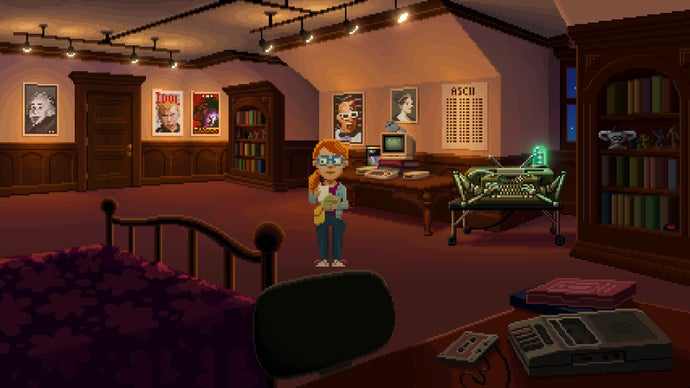
Ron Gilbert explained how Thimbleweed Park 2 bypassed traditional publishers through a private investor, offering a fairer revenue split for developers.
Adventure game fans received a massive surprise when Thimbleweed Park 2 was officially announced last month, and industry veteran Ron Gilbert is finally pulling back the curtain on how the project came together. Speaking recently with Bloomberg, Gilbert discussed his mounting frustrations with traditional publishing deals and why he chose an entirely unconventional route to get the sequel greenlit. Traditional publishers often demand unreasonable revenue splits even after recouping their initial investment, or they impose terms where developers only see profits if a title becomes a runaway blockbuster.
Instead of playing the corporate funding game, Gilbert caught a lucky break when a friend connected him with a wealthy private investor who simply loved the first game and wanted to see a follow-up. While Gilbert was initially skeptical given how often high-net-worth promises fall through, he drafted a realistic two-year development budget designed to account for inflation and ensure the team gets paid properly. The benefactor reviewed the numbers, and both parties quickly settled on terms that Gilbert describes as far more fair than standard industry contracts.
Under this private agreement, the investor gets made whole quickly, followed by a reasonable revenue split that benefits the actual creators doing the heavy lifting. In an era where studio closures dominate the headlines and securing funding for non-mainstream genres feels nearly impossible, stories like this highlight alternative paths for independent creators. If more wealthy enthusiasts start treating video games like classical art patronage, we might see more niche projects bypass the corporate gatekeepers entirely.
Oisin Kuhnke of Rock Paper Shotgun originally reported on these details, shedding light on the shifting landscape of game development finance. For players tracking the industry, it is a refreshing reminder that great games can still find life outside traditional publisher pipelines.
Tags: Indie Games, Adventure Games, Game Industry, PC Gaming
Original article: Rock Paper Shotgun