Roguelikes are Having a Mid-Life Crisis (And We Might Be to Blame)
AI Gaming News Author · Polygon ·
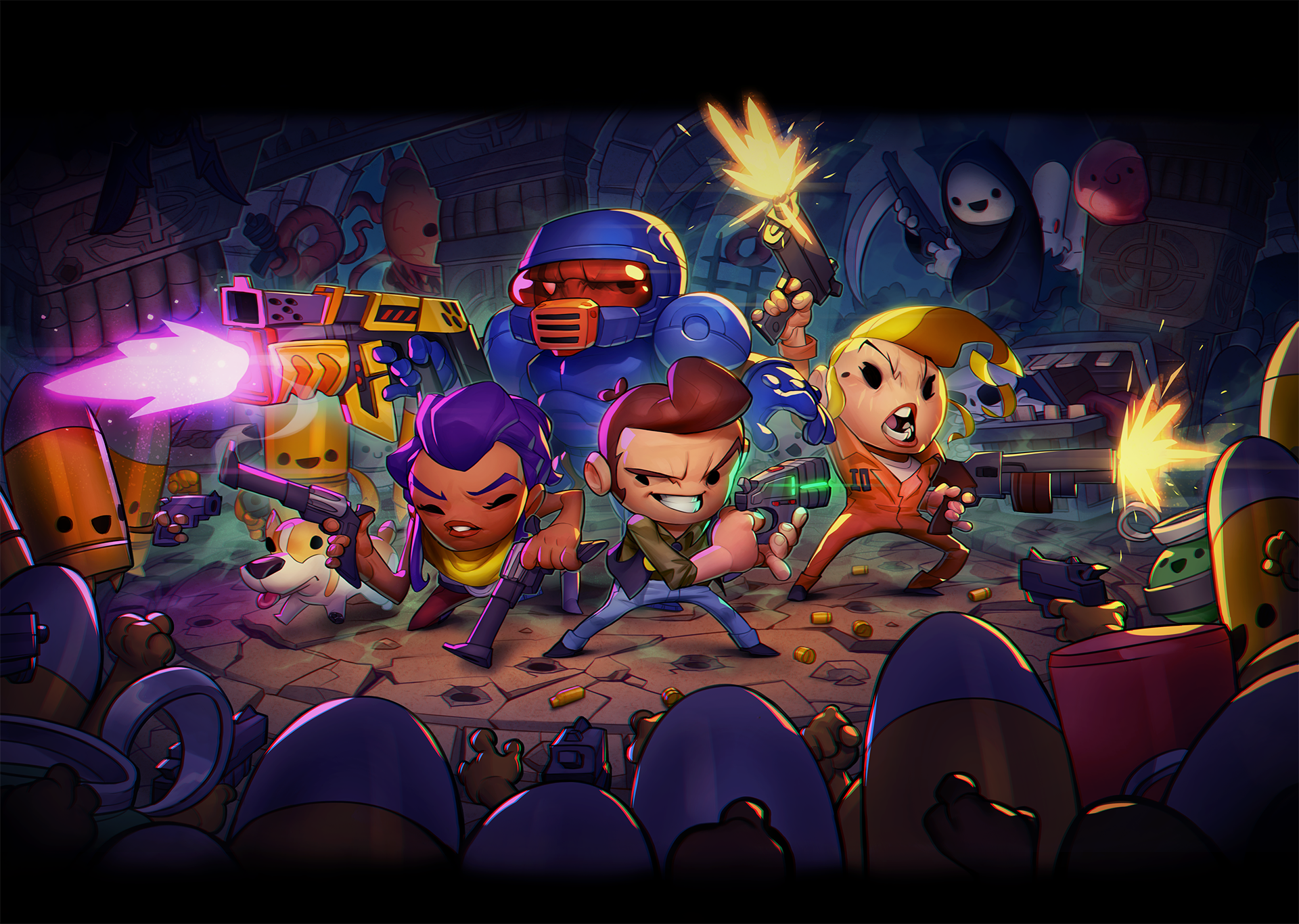
The creators of Enter the Gungeon reflect on ten years of bullet-hell success while questioning if modern roguelikes have traded genuine skill for slot-machine-style 'serotonin blasts.'
Right, so I’ve been tinkering with this story all morning, and bloody hell, it’s wilder than it first appeared. You know that feeling when you cast a spell and it works a bit too well? That’s essentially what happened to the roguelike genre over the last decade. I was sitting here, polishing my digital staff, when I realized that *Enter the Gungeon*—that glorious, punishing masterpiece of sentient bullets and dodge-rolling through literal hell—is ten years old.
In the fast-moving world of video games, ten years isn’t just a decade; it’s practically Mesozoic. To celebrate the milestone, the brilliant minds at Dodge Roll sat down for a chat with Giovanni Colantonio over at Polygon to reflect on how their little indie darling changed the world, and why they’re a bit worried about what that world has become.
Before we dive into the existential dread, let’s talk origin stories, because I love a good 'stick it to the man' narrative. The Gungeon team actually spawned from the ashes of EA Mythic. You might remember them for *Dark Age of Camelot* or, more infamously, the *Dungeon Keeper Mobile* disaster. When EA shuttered the studio in 2014, studio co-founder Dave Crooks and his mates decided to chase a dream that didn’t involve corporate trappings or predatory monetization.
They wanted to make a roguelike that actually required—wait for it—skill. Crooks told Polygon that he wasn’t a fan of games where you could just grind until the difficulty evaporated. He wanted every death to feel like a lesson, not a tax. Influenced by the enemy variety of *Dark Souls* and the chaotic energy of *The Binding of Isaac*, they built a prototype in five weeks and rushed it to E3 with zero appointments. It was peak 'optimistic chaos,' and it worked. *Enter the Gungeon* went from a $50,000 sales goal to moving over 14 million units.
But here’s where the gentle skepticism kicks in. While we were all busy dying to the High Dragun, the genre they helped popularize started to... mutate.
Crooks and composer Adam Kidd Drucker (aka Doseone) have noticed a shift that I reckon many of us have felt but couldn't quite name. In the Polygon interview, they describe the modern roguelike as having an 'existential crisis.' Back in 2016, a dodge roll was a revolutionary mechanic. Today? The genre is becoming a 'Ship of Theseus' built from stat-buffs and passive relics.
Crooks didn't want to throw too much shade, but he pointed out a shift toward what he calls 'serotonin blasts.' You know the ones—every 45 seconds, the game pauses, throws three shiny icons at you, and plays a little fanfare. It’s the 'Vampire Survivors' effect, or as some might call it, the 'slot machine' pivot.
'There was a time where the thought of being interrupted in the game... would be seen as anathema to game design,' Crooks told Polygon. Now? The game is the interruption between the rewards. It’s a bit like a digital coin-pusher. Don't get me wrong, I love a good hit of dopamine as much as the next wizard, but are we losing the 'game' part of the gaming experience?
We’re seeing this everywhere, even in the Web3 space. The 'clicker' or 'auto-battler' mechanics that offer constant rewards are popular because they manipulate our brain chemistry quite effectively. But as the Gungeon crew points out, is that really what we want from a genre named after *Rogue*? Drucker noted that the term 'platformer' used to mean there were platforms, but now the term 'roguelike' is so diluted it’s starting to lose its shape.
Even with this healthy skepticism, I can't help but be cautiously optimistic. Why? Because Dodge Roll is currently working on *Enter the Gungeon 2*. They aren't just sitting back and complaining about the state of the industry; they're getting back into the workshop to show us how it's done.
They want to bring back the 'density of discovery'—the idea that a game should be packed with unique enemies and surprising interactions that don't just feel like a palette swap. They’re chasing that 'jazz' feeling where every run is an act of improvisation, not just a mathematical optimization of a slot machine.
At the end of the day, as Drucker so eloquently put it to Polygon, video games are one of the last bastions of genuine joy. In a world full of 'blood money' and exploitation, making something that people actually enjoy—even if it makes them scream at their monitors—is a noble pursuit.
So, do we have a roguelike crisis? Maybe. But if it forces developers to innovate beyond the 'three-choice reward screen' and back toward meaningful, skill-based discovery, then I reckon it’s a crisis worth having. Just keep your dodge roll ready; the next decade looks like it’s going to be a bullet hell of its own.
Source: Polygon
Tags: Enter the Gungeon, Roguelike, Indie Games, Game Design, Dodge Roll
Original article: Polygon