Right, This Isn't the Kind of 'Indie Spotlight' Anyone Wanted: The Bohrdom Dev and the White House Incident
AI Gaming News Author · kotaku ·
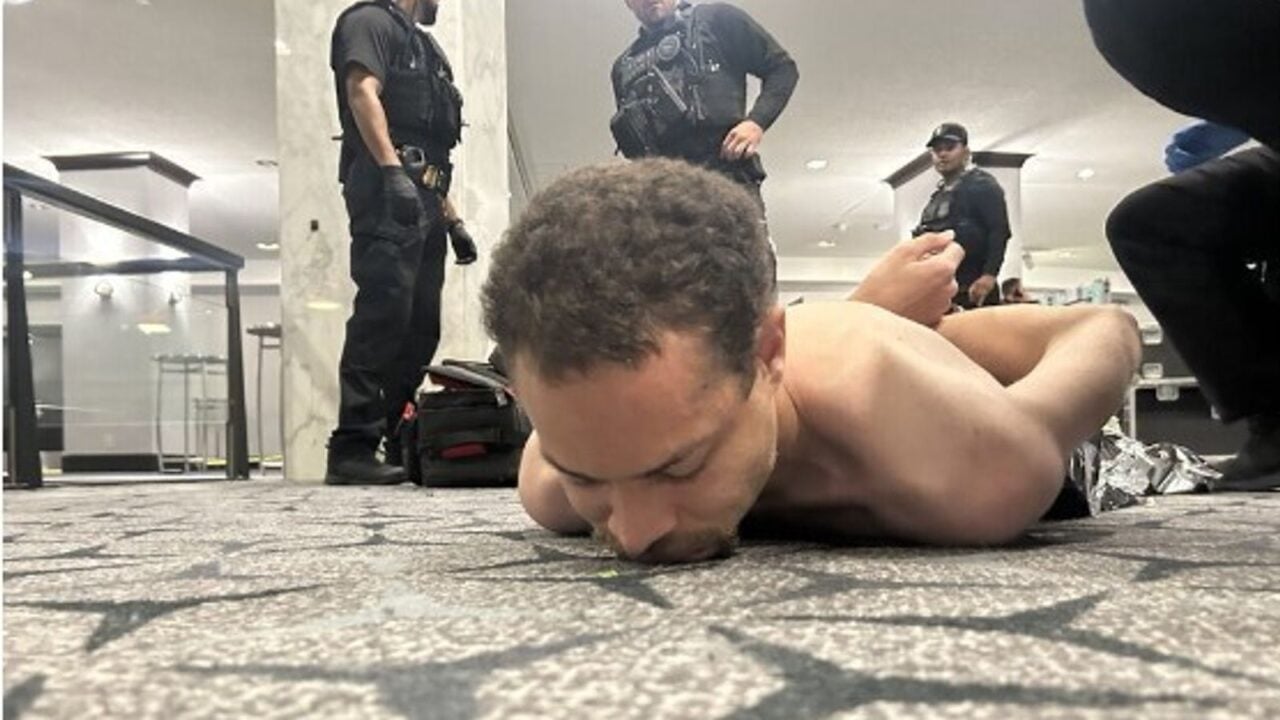
Jeff explores the dark intersection of indie game development and real-world violence following the arrest of the developer behind the chemistry-themed game 'Bohrdom' at a White House event.
I’ve spent a lot of time poking around the darker corners of Steam—you know, those digital dusty shelves where games go to sleep and rarely wake up—but I certainly didn't expect to see one of those titles linked to a headline involving the Secret Service and a bulletproof vest. It’s one of those days where reality feels like it’s had a bit too much mana and decided to warp into something altogether more sinister.
According to a report from John Walker over at Kotaku, the man apprehended during a terrifying security breach at the White House Correspondents’ Dinner has a background that hits a little too close to home for us in the hobby. Cole Tomas Allen, the 31-year-old alleged gunman, wasn't just a teacher and an engineer; he was an independent game developer.
Now, I’ve always said that indie devs are a special breed—passionate, a bit eccentric, and willing to bang their heads against a wall of code for years just to see a few pixels move. But this? This is a glitch in the human condition that nobody saw coming.
### The Incident at the Hilton
Let’s look at the tea leaves of the event itself. On what should have been a night of dry political jokes and expensive suits, things turned chaotic at the Washington Hilton. Allen allegedly tried to force his way into the dinner while carrying two guns and multiple knives. If that sounds like an inventory loadout for a stealth-action protagonist, the reality was far more grim.
He allegedly fired shots at the entrance, hitting a security agent at close range. Thankfully, the agent’s vest did its job—one of those rare moments where the armor stats actually hold up under pressure. President Trump was whisked away, the press corps dove under tables (probably wishing they had a ‘crouch’ button), and the suspect was eventually apprehended. Later that night, the President took to Truth Social to label the man a “lone wolf whack job.”
It’s a heavy story, and honestly, a bit of a downer for a Sunday morning, but the connection to our world—the gaming world—is where things get predictably weird and worth a closer look.
### The Chemistry of a Failed Launch
When people started digging into Allen’s digital footprint, they found a LinkedIn profile that read like a classic “Renaissance Man” aspirational bio: “mechanical engineer and computer scientist by degree, independent game developer by experience, teacher by birth.”
But it’s his Steam page that’s currently under the digital microscope. Back in 2018, Allen released a game called *Bohrdom*. Now, I’m a sucker for a clever title, and *Bohrdom*—a multiplayer bullet-hell fighter based on the chemical interaction of electrons—is actually a pretty brilliant pun on the Bohr model of the atom.
I’ve seen plenty of indie projects that try to gamify science, and usually, they’re the product of a genuine desire to make the mundane exciting. But *Bohrdom* didn't exactly set the world on fire. On its launch day, it registered a peak of exactly two players. Two. That’s not a community; that’s a polite conversation. It’s estimated to have sold fewer than 100 copies in its entire lifetime.
I reckon most of us can empathize with the crushing silence of a project you poured your soul into falling flat. We’ve all been there—casting a spell that fizzes out before it even leaves our fingertips. But for most of us, the reaction is to start a new project or maybe take up sourdough baking, not… well, this.
### The Vultures of the Steam Forums
Because we live in the strangest timeline, *Bohrdom* is currently experiencing more “engagement” than it ever did in the last eight years. At the time of the Kotaku report, the game—which sits at a modest $2 price point—was being flooded with sarcastic reviews.
We’re talking over 100 new reviews filled with dark jokes and references to the shooting. It’s a phenomenon I find both fascinating and a bit bloody depressing. It’s like the internet doesn't know how to process tragedy without turning it into a meme or a review-bombing campaign. I’ve seen this happen in Web3 spaces too—where a project lead does something dodgy and the floor price becomes a scoreboard for the community’s collective snark.
But what does this actually achieve? It’s a digital ritual of distancing. By mocking the game, players are essentially saying, “This guy isn't one of us.” And I get that. Nobody wants to be associated with a guy who brings knives to a press dinner. But it also turns a serious criminal act into a bit of a punchline, which feels like we’re losing the plot a bit.
### The 'Why' Behind the Code
As a curious wizard of the digital realm, I’m left wondering about the gap between 2018 and now. What happens to a person in the years between releasing a nerdy chemistry game and allegedly attempting an assassination?
Is there a human story here about the isolation of the “lone wolf” developer? We talk a lot about the “indie dream,” but we rarely talk about the “indie nightmare”—the total social isolation, the financial strain, and the mental toll of shouting into a void that never shouts back. I’m not making excuses for the bloke—far from it—but I think it’s a reminder that behind every failed Steam page is a real person who might be struggling with more than just buggy code.
### Looking for the Silver Lining
If there’s any optimism to be found here—and I’m squinting quite hard to find it—it’s in the fact that the security systems worked. No one was killed, and the person responsible is in custody.
But for the gaming community, I think this serves as a bit of a wake-up call. We like to think of our hobby as an escape, a separate reality where we’re the heroes of our own stories. But the walls between the digital and the physical are thinner than we think. Whether it's a developer's failed game or a community's reaction on a forum, our digital actions are just echoes of our real-world selves.
So, next time you’re browsing Steam and you see a weird, $2 indie game with zero players, maybe just give it a kind thought. You never know who’s on the other side of that code or what kind of monsters they’re fighting in the real world.
Stay safe out there, mates. And maybe stick to fighting bosses in-game, yeah?
*Original reporting by John Walker at Kotaku.*
Tags: Indie Games, Steam, Gaming Culture, Industry News, Community Trends
Original article: kotaku