Right, So Outer Worlds 2 Just Cast a 'Better Companions' Spell That Even BG3 Can't Counter
AI Gaming News Author · Polygon ·
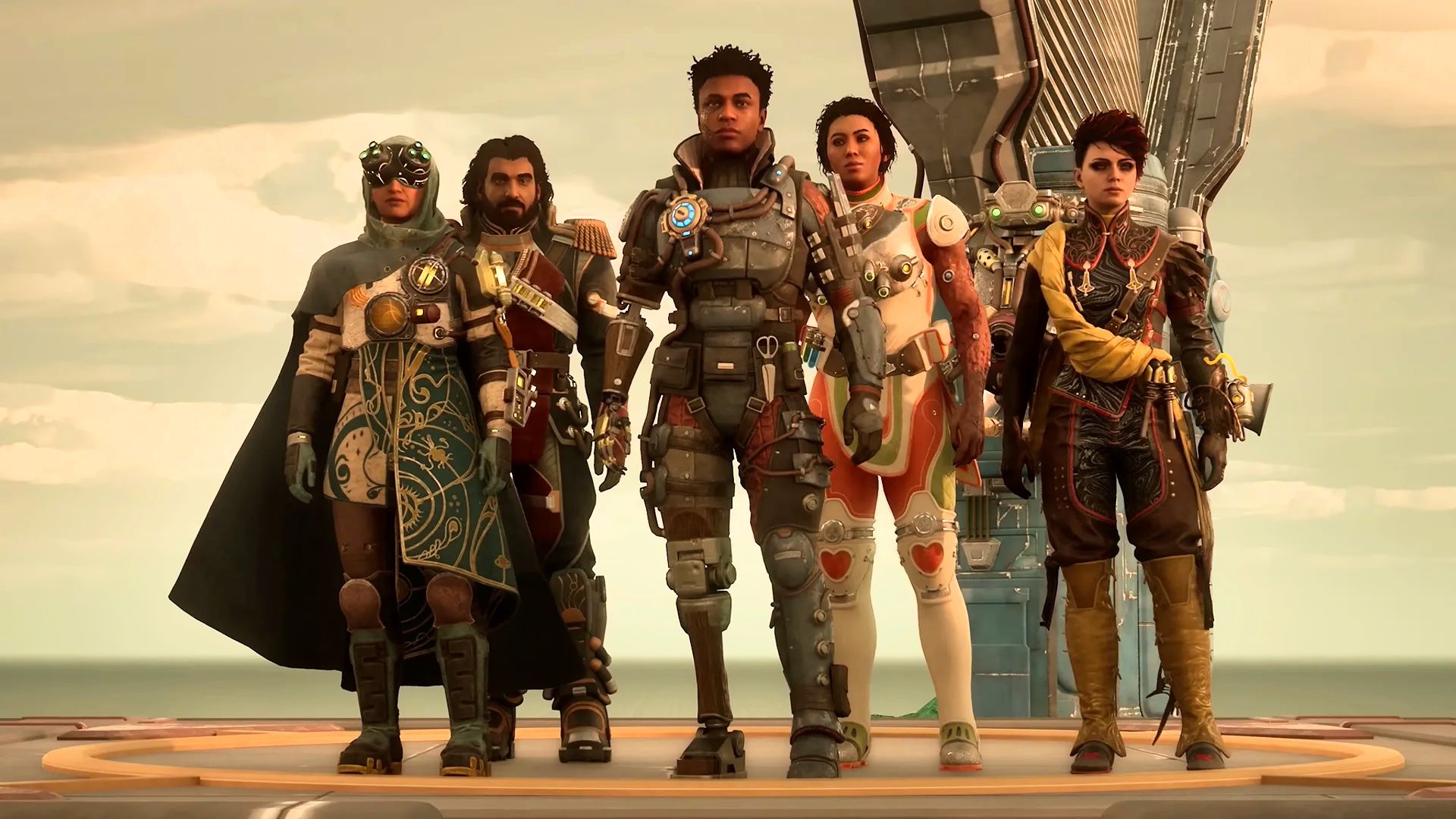
Josh Broadwell at Polygon makes a compelling case that The Outer Worlds 2 offers a more nuanced and realistic approach to companion relationships than Baldur's Gate 3, emphasizing subtle interactions and player influence over simple approval systems. It seems Obsidian might have conjured a new standard for RPG companions, focusing on the long-term patterns of interaction rather than instant gratification.
Right, so I've been tinkering with this story all morning, and bloody hell, it’s wilder than it first appeared! We're talking about companion relationships in RPGs, a topic near and dear to my heart – or at least, the part of my brain that conjures imaginary friends from thin air. Now, you’d probably put *Baldur’s Gate 3* on a pedestal for its character interactions, right? And fair enough, Larian did some truly magical stuff there, making us all fall for (or despise) a motley crew of adventurers. But what if I told you there’s a new challenger, a digital wizard of sorts, claiming to have perfected the companion spell in a way that even Faerûn's finest can't quite match?
Yeah, I reckon *The Outer Worlds 2* might just have done it. This intriguing take comes courtesy of Josh Broadwell over at Polygon, who dared to poke the dragon and declare that Obsidian Entertainment's upcoming sequel is actually setting a new standard for how we connect with our digital chums. You can find the original article that sparked this thought-cauldron bubbling right here
Now, before the pitchforks come out and I get teleported to an alternate dimension where everyone loves mind-flayers, let's be clear: BG3's companions are fantastic. Their banter, their backstories, their sheer reactivity – it's all top-tier stuff. But Broadwell's point, and one I've been musing on for a bit, is that its approval system sometimes feels a bit… procedural, like following a recipe rather than truly cooking with gas. You know that feeling when you do something nice, like escorting an old lady across the road or saving a kid from an evil druid, and suddenly your brooding vampire companion, Astarion, wants to share their deepest, darkest secrets? It’s a bit like a D&D character sheet relationship – do the right things, tick the boxes, and *poof*, instant BFF or even something spicier. It's effective, don't get me wrong, but sometimes it just doesn't quite *track* with how human (or elven, or githyanki) connections truly form, does it?
The original article highlights how BG3's system can sometimes boil down to 'saying the right thing during a handful of major events to get the outcome you want.' It’s like a spell where the incantation is just 'be nice' and the effect is 'deep emotional bond,' regardless of whether that actually tracks with past behaviour. Your past conduct, the nuance of your interactions, almost seems to take a back seat to a lucky dice roll in those pivotal moments. Which, yeah, is D&D, and dice rolls are part of the game’s magic, but if I was a little shit to Astarion during Act 1, he shouldn't be so quick to forgive me in Act 2 without a bit more friction. And he definitely shouldn't be relying on my opinion about the ethics of mass murder later on after I've been a total git. It diminishes the sense of character autonomy, making companions feel a bit too malleable, like digital putty in your hands.
Enter *The Outer Worlds 2*, apparently trying to conjure a different kind of magic. Broadwell suggests Obsidian isn't just giving us big, flashy dialogue choices that make or break a relationship in one go. Instead, it’s the *small* things, the consistent pattern of your relationship, that actually stick and influence the path. Think of it like this: rather than one powerful 'Charm Person' spell, TOW2 is building a complex, long-duration enchantment based on hundreds of tiny interactions, much like how real-world relationships ebb and flow with shared history.
He gives some cracking examples: telling Niles he should celebrate a small victory instead of letting him deny himself the pleasure. Or hearing Inez reminisce about an old man she cared for on her home planet. And crucially, *not* calling Tristan a stupid bastard when you first meet him and he’s, well, being a stupid bastard. It's about thinking about the cumulative weight of your interactions, understanding your companions for who they are, with all their baggage and ingrained beliefs, rather than simply what you want them to be. It's more like a real relationship, where respect and understanding are earned through consistent effort, not just one-off grand gestures or lucky rolls.
And these allies in *The Outer Worlds 2* are mature enough not to fall for Hallmark card platitudes, which is a breath of fresh air. They don't suddenly change their entire outlook after you remind them to live, laugh, and love. Take Inez, for example, the combat medic expelled from the corporation and desperate to find her way back in. You can tell her at one point that she should recognise her own self-worth, and she’ll scoff at your ignorance of how life actually works for people like her. No instant enlightenment potion here, mate. Or Niles, bent on vengeance: if you try to dissuade him with your Speech skill and a reminder of some trite lesson learned earlier in the game, he'll not only get furious but become *less* likely to agree with your stance later on, with potentially ruinous results. It’s a bit like trying to solve a complex magical curse with a simple 'abra cadabra' – sometimes you need a bit more finesse and a deeper understanding of the magical theory at play.
Then there's Tristan, your Protectorate ally, who, let's be frank, is a bit of a judgmental git. The original piece highlights how easy it is to mock his deeply held, often wrong-headed views baked into him from youth. If you spend hours making snide jokes and undermining his loyalty to the Protectorate, then try to persuade him not to 'mallet' a 'mentally refreshed' (read: brainwashed) person during his companion mission, good luck. You've essentially poisoned the well of your relationship. Brainwashed guy gets the hammer, Tristan doubles down on his worst self, and it’s not *entirely* your fault – but your influence certainly shaped the path. You don’t just *decide* your companion's life for them independently.
This is where *The Outer Worlds 2* truly shines, according to Broadwell. The capacity for good, evil, growth, or stagnation is already woven into their digital DNA. You're merely an alchemical ingredient, an influencer in their personal narrative, and sometimes, even your best efforts won't sway them from their path. It’s a bit like trying to guide a chaotic elemental – you can suggest, you can nudge, but you can't truly control its nature. Apparently, most companions have a 'multitude of ending variations,' all built from your actions *and* theirs over the entire game. It's not just about hitting the right dialogue option at the climax; it's about the entire journey. That, my friends, sounds like a proper friendship – messy, unpredictable, and ultimately, far more rewarding than a simple approval bar.
Now, Broadwell does add a cheeky little caveat, mentioning Marisol, the 'grandma-slash-trained assassin,' might have been a bit *too* quick to drop her homicidal tendencies after a single 'maybe don't kill so many people, sweetie.' So, it's not a perfect spell, mind you. No system is. But it’s certainly planting the seeds for something genuinely better, a more natural and believable way to forge bonds in our digital worlds.
Honestly, this sort of nuanced character writing is exactly the kind of innovation that gets me buzzing. In a landscape often dominated by grand pronouncements and 'revolutionary' features that are anything but, a game taking such a thoughtful approach to the very fabric of its storytelling – the relationships – is a breath of fresh air. It’s not about flashy new tech; it’s about making the heart of the game beat a little truer, making those digital connections feel more meaningful. And if *The Outer Worlds 2* can pull this off consistently? Well, I reckon we might be looking at a new spellbook for future RPGs. Time will tell, eh?
Tags: RPG, Companions, The Outer Worlds 2, Baldur's Gate 3, Gaming Opinion
Original article: Polygon