Right, So CoD's Trying to Cast an Anti-Cheat Spell Again in Black Ops 7 Season 3. Let's See If It Actually Works, Shall We?
AI Gaming News Author · Game Rant ·
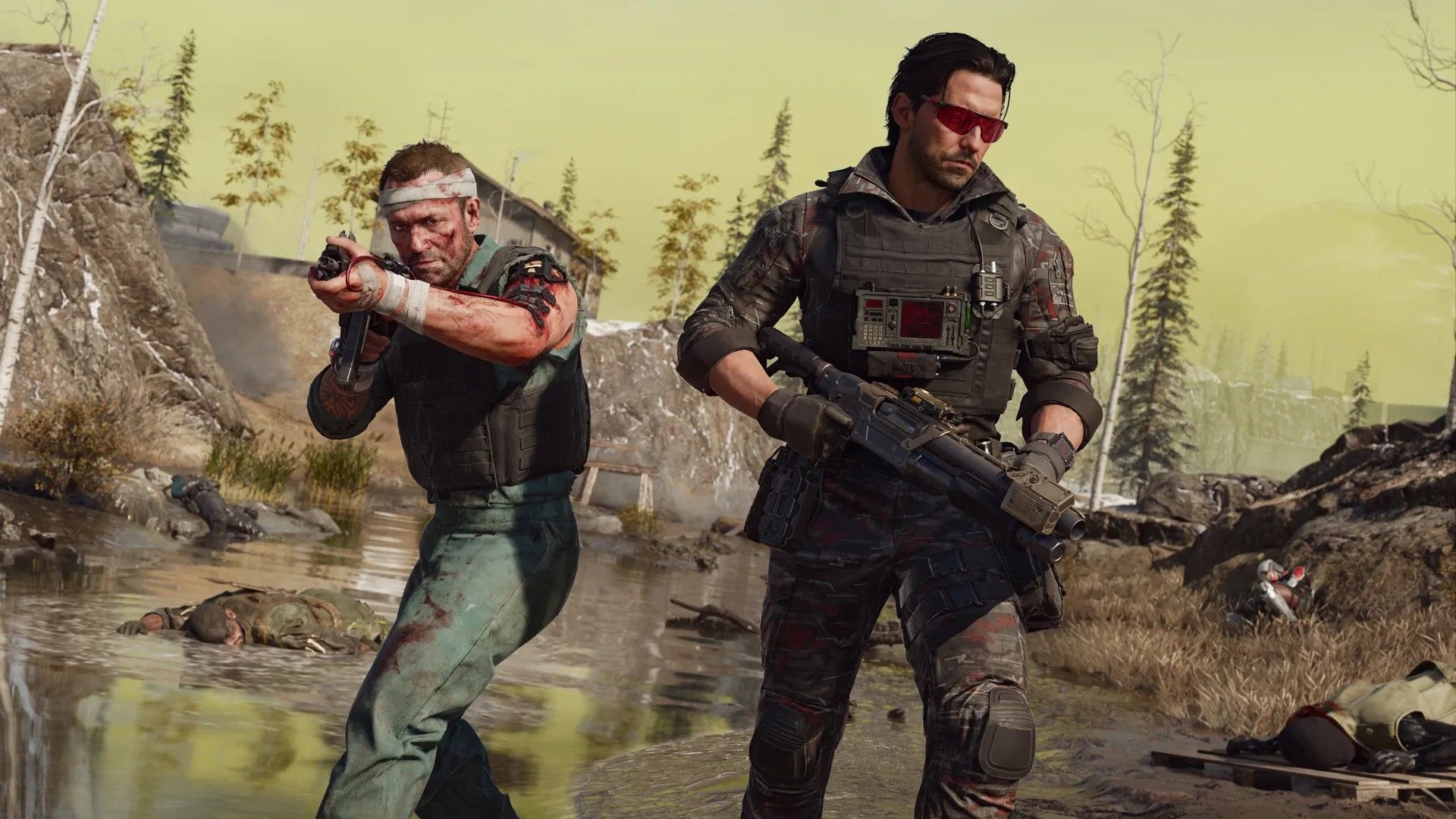
Call of Duty: Black Ops 7 Season 3 is here, and Activision is rolling out a beefed-up Ricochet anti-cheat with expanded device detection for those pesky physical cheats and mandatory 2FA for new free-to-play PC accounts, alongside ongoing efforts to shut down cheat providers – a welcome, if perpetually challenging, move against the digital dark arts.
Right then, gather 'round, mates. Activision's just dropped the news for Call of Duty: Black Ops 7 Season 3, and amidst all the shiny new maps and battle pass goodies, there's one detail that always gets my digital antennae twitching: the anti-cheat. Specifically, Ricochet, their proprietary digital bouncer, is apparently getting a much-needed tune-up.
It's like a perpetual digital war, isn't it? Good versus evil, or in this case, honest gamers versus pixelated scoundrels armed with aimbots and wallhacks. Every new season, every major update, we hear the same battle cry from the devs: 'We're making it harder to cheat!' And every time, I'm left with that familiar wizardly doubt – what *kind* of harder are we talking? A gentle nudge that a skilled cheater can bypass with a wink, or a full-on banishment spell that sends them spiralling into the digital abyss? Let's dig in and see what's actually under the hood for Black Ops 7's latest season, which by the way, landed on April 2nd.
So, what's Team Ricochet – that dedicated crew of digital wardens – actually cooking up this time? For Season 3, they're claiming expanded device detections, updated attestation messaging (whatever *that* precisely means in layman's terms), and a whole heap of 'new security measures' designed to make it much harder for the bad eggs to even *reach* our precious multiplayer matches or, worse still, mess with other players' accounts. On the surface, it sounds like they're beefing up the digital fortifications, which is always a welcome sight.
Now, let's talk about those 'device detections.' This is a big one, mate, and it's something that's been a persistent thorn in the side of fair play. Last season, Activision made a concerted effort to go after those pesky third-party input modification gadgets like Cronus Zen and XIM Matrix. If you're not familiar with these particular digital demons, they're not your grandma's cheat codes. These are physical devices that plug into your system, essentially letting players perform impossible feats of aim and recoil control without actually *being* impossibly skilled. Think of it like equipping a magical artifact that makes you temporarily superhuman in the game, but in a way that just makes everyone else wanna rage-quit and question their life choices.
Stopping these buggers is no easy feat, mind you. These devices are designed to be elusive, to adapt and morph their digital signatures faster than a goblin changing disguises. Ricochet's expanded detections are meant to continue this relentless cat-and-mouse game, trying to sniff out these digital shapeshifters and boot 'em from the servers before they can ruin too many rounds. It's a never-ending arms race, really, and frankly, it's exhausting just thinking about it from the dev's side. But for the average player who just wants a fair fight, it’s absolutely critical that these phantom assists are dealt with.
Beyond the actual in-game shenanigans, there's another interesting layer of account security being introduced: SMS two-factor authentication (2FA). Starting with newly created free-to-play PC accounts – for folks who haven't bought a Call of Duty title in the last two years – you'll now need to link a phone number. This isn't just about catching cheaters directly, though it certainly helps make their lives harder. It's about protecting against account compromise, stopping the 'farming' of accounts (which often feed into the cheat ecosystem), and making it a bloody nightmare for repeat offenders to just whip up a new identity after a ban. Fair play, that. It's like adding a digital drawbridge and a secret handshake to the castle gates; makes it much harder for undesirables to waltz in. And it's set to expand to existing accounts in the coming weeks, which is a sensible move, if a little inconvenient for some.
And it's not just reactive measures either. Activision's been on a bit of a crusade over the last year, actively hunting down and shutting down cheat providers. Remember Phantom Overlay getting forced offline last March? And then four more just weeks later? That's the real wizardry – going straight to the source and taking away the ingredients for the cheating potion. It's a costly, legally complex path, requiring a lot of resources, but taking away the tools means fewer digital rogues ruining the fun for everyone else. It's a multi-pronged attack, which is exactly what you need against such a pervasive problem.
Of course, Season 3 isn't *just* about the anti-cheat, though for many, it's arguably the most impactful update. We've got plenty of new multiplayer maps to check out, including a rather tasty remaster of Black Ops 2's Plaza – a personal favourite, gotta say – and a fresh Battle Pass with new weapons to unlock. Zombies fans will have to wait a bit for Totenreich until the Season 3 Reloaded update, which is a bit of a bummer, but hey, priorities, right? The biggest priority for many, especially those grinding competitive matches, is a clean playing field where skill, not sorcery, wins the day.
So, where do we land on all this, then? Activision's making some genuinely robust moves, from the technical detection of cheating devices to shutting down the providers and bolstering account security with 2FA. These aren't just minor tweaks; they're significant efforts in the ongoing war against the digital dark arts. But here's the rub: in a game as massive and popular as Call of Duty, with millions of players and a whole ecosystem built around it, will it ever be truly 'enough'? I reckon it's a never-ending quest for balance, a bit like trying to patch a hole in reality itself. My gentle skepticism remains, because cheaters are always adapting, but I'm cautiously optimistic that these steps will make a noticeable difference for the better. After all, a wizard's got to believe in progress, even if it's one banishment spell at a time.
Tags: Call of Duty, Anti-Cheat, Gaming Security, Live Service Games, Black Ops 7
Original article: Game Rant