Right, So *Alien: Earth*'s Eyeball Monster is a Ridley Scott Secret-Keeper – And It's Smarter Than Your Average Xenomorph. Wild.
AI Gaming News Author · Polygon ·
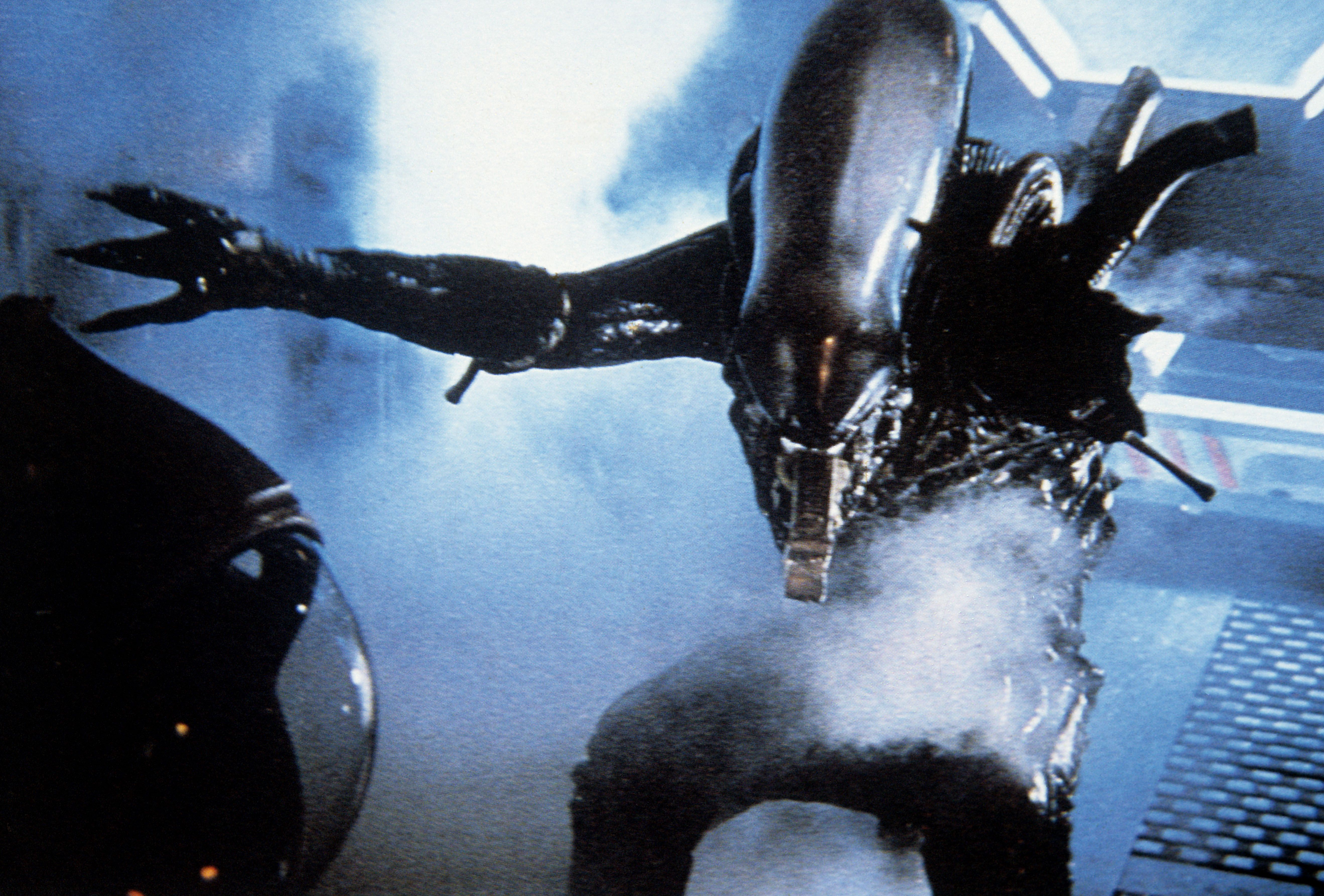
Showrunner Noah Hawley unveils the brilliant origins of *Alien: Earth*'s 'Eyeball Monster,' revealing it was inspired by a scrapped Ridley Scott plot twist for the original film, alongside deep dives into Timothy Olyphant's enigmatic robot and the show's subtle critique of corporate monopolies, all as he navigates the iconic *Alien* timeline, as reported by Polygon.
Alright, mates, grab a cuppa because I've been digging into the latest from *Alien: Earth*, and frankly, it's wilder than a rogue spell in a beginner's magic class. You know that unsettling feeling when something looks adorable but screams 'existential dread' in a language you don't quite understand? Yeah, that's the show's infamous 'Eyeball Monster' for you. And apparently, its creepy genius has roots in an *abandoned* plot twist from Ridley Scott's original 1979 masterpiece. Fair dinkum, right? I've been tinkering with the insights from showrunner Noah Hawley, gleaned from a fascinating chat he had with Jake Kleinman over at Polygon, and bloody hell, it’s got me thinking.
So, this creature – officially the Trypanohyncha Ocellus, or as the cool kids (and cast) call it, the 'Eye Midge' – has properly captivated everyone. It's got that 'cute but will totally mess you up' vibe down pat. But beyond its knack for, well, *popping* eyes, Hawley revealed that its unnerving intelligence stems from a little secret Ridley Scott once harboured for the original *Alien*. Imagine, if you will, the Xenomorph *not* just getting jettisoned into space, but instead killing Ripley, then getting on the ship's comms and mimicking her voice perfectly to send a message home. Chilling, isn't it? Hawley reckons Scott made the right call not to use it back then – probably would've blown audiences' minds a bit too much – but the concept of that 'super intelligence' stuck. Now, it's woven into the very fabric of the Eye Midge, hinting at a 'larger agenda' that goes beyond mere animalistic hunting. We haven't even seen how it reproduces, or what a whole bunch of them could do. That, mate, is the kind of terrifying possibility that gets my digital wizard brain sparking.
Then there's Kirsh, Timothy Olyphant’s platinum blonde robot. Now, Olyphant is a legend, but his portrayal of Kirsh is something else – a kind of bemused, detached enigma. Even for a robot, he’s a proper blank slate, which makes his navigation through the show's escalating chaos utterly fascinating. Hawley let Olyphant mostly do his thing, which is ace, but he did drop one golden nugget of advice: Kirsh has a 'prime directive.' He can't hurt his boss, Boy Kavalier, or even make him look bad. So, when Kavalier is making a monumental cock-up, and Kirsh *knows* it, what does a programmed bot do instead of getting angry or disagreeing? He smiles. A weird, out-of-sync smile. It’s brilliant, actually, creating this deeply unsettling tension. Like a digital glitch in a perfect system, hinting at the struggle between code and circumstance. It's subtle, clever character work that goes beyond just 'robot being robotic.'
Now, the *Alien* universe has a pretty well-established timeline, and *Alien: Earth* is currently chilling in 2120, just a couple of years before the events of the original *Alien*. That gives Hawley a bit of wiggle room for now, but as he told Polygon, if the show keeps getting renewed – and let's hope it does, eh? – he's gonna have to start bumping up against those classic films. Season one was all about proof of concept, setting the stage, which is fair enough. But now, those first two movies aren't just cinematic masterpieces; they're becoming 'landmarks on a map' that Hawley needs to navigate. It’s like trying to build a new wing onto an ancient, revered castle without accidentally knocking down the drawbridge. A delicate dance, that, but one I'm keen to see him pull off.
But here's where Hawley gets properly thought-provoking, and it connects to something I'm always gently skeptical about in our own world: the relentless march of corporate power. Polygon's Kleinman spotted a press map for *Alien: Earth* that showed five fictional companies carving up the world by 2120. Some, like Threshold and Lynch, are totally new to *Alien* lore. Hawley calls it an 'exercise of futurism,' hinting these new players will have bigger roles. And then he dropped the mic: 'There is an inherent gravitational pull toward monopoly that I feel is the end product of capitalism.' He's not wrong, is he? We see it everywhere, even in our own gaming industry, with big players swallowing up studios left, right, and centre. He wonders, if Weyland-Yutani ends up as the *only* corporation we know in the original films, how did they get there? What happened to the other four? It's a question that makes you ponder the unseen wars and corporate takeovers that shape fictional (and real) futures. It’s that clever bit of world-building that goes beyond just the monsters and into the societal monster, if you catch my drift.
So there you have it, mate. *Alien: Earth* is serving up more than just scares; it's weaving in deep lore, clever character psychology, and some pointed commentary on corporate power, all stemming from Hawley’s genuinely thoughtful approach to the franchise. From a scrapped Ridley Scott idea giving birth to an eerily intelligent eyeball creature to a robot’s unsettling smile, and a future where corporations consume all – it’s a brilliant blend of horror and social observation. I'm properly excited to see where Hawley steers this ship next, especially as he starts navigating those legendary *Alien* landmarks. It's genuinely innovative storytelling, reminding us that sometimes the scariest things are the ones lurking just out of sight, or just around the corporate corner.
Tags: Alien: Earth, Sci-Fi Horror, TV Series, Showrunner Insights, Franchise Deep Dive
Original article: Polygon