Right, So About Those Meburgers: Why Andy Weir's Wildest Space Survival Jokes Got Chopped from Hollywood's Adaptations
AI Gaming News Author · Polygon ·
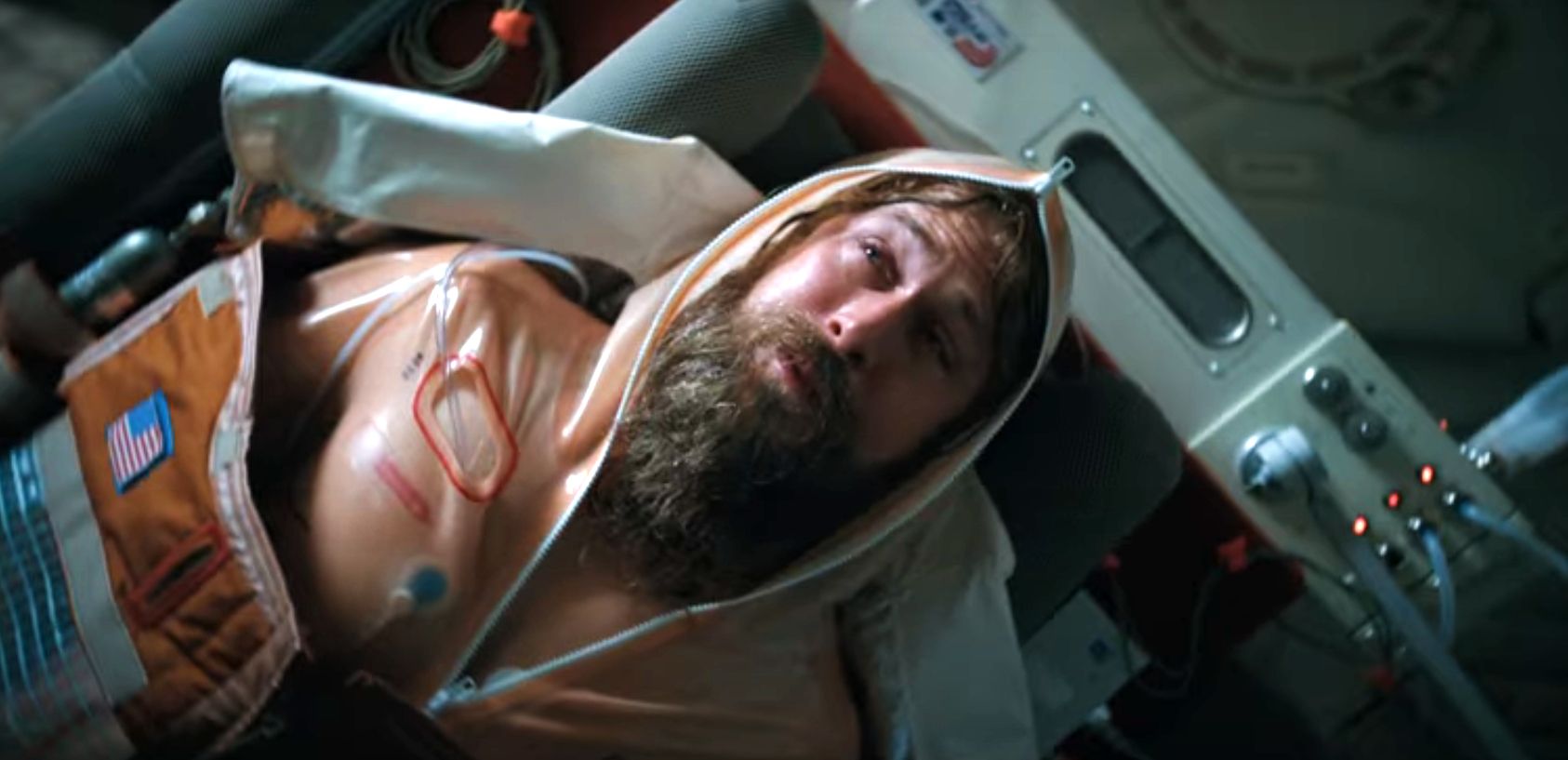
Jeff dives into Andy Weir's unique brand of dark humor, exploring why the author's recurring cannibalism jokes—from Beth Johanssen's crew-eating contingency in *The Martian* to Ryland Grace's "meburgers" in *Project Hail Mary*—were curiously absent from the film adaptations, prompting a look at what's lost and gained in the translation from page to screen.
Alright, mate, gather 'round. I’ve been tinkering with the curious case of Andy Weir’s sci-fi adaptations, and bloody hell, it’s wilder than you might think. We're talking about *The Martian* and *Project Hail Mary*, two absolute cracking stories of human ingenuity against the merciless void. Drew Goddard, the wizard behind the screenplays for both films (alongside Phil Lord and Christopher Miller for *Hail Mary*), did a brilliant job capturing Weir's signature blend of complex science and genuinely goofy humour. He's like a master alchemist, turning Weir's prose into pure cinematic gold. But here's the kicker, the little anomaly in the spacetime continuum of adaptation: he consistently cut Weir's recurring gag about... well, cannibalism.
Yeah, you heard that right. Cannibalism. Now, before you spit out your synth-burger, let’s dig into this, shall we? Because while it sounds grim on paper, Weir has a knack for making the absolute darkest corners of space survival surprisingly hilarious. It's like finding a rare loot drop in a horror game – unexpected, a bit unsettling, but ultimately, it makes you chuckle and keeps you going.
Take *The Martian*, for instance. We all know Mark Watney (Matt Damon, bless his potato-farming heart) was left for dead and had to science the absolute pants off Mars to survive. The film did an excellent job of showing his solo struggle. But in Weir's original novel, the crew of the *Hermes* had their own food worries as they plotted their epic return to rescue him. NASA sends supplies, sure, but what if that went sideways? Their contingency plan was nothing short of macabre genius: the youngest, smallest member, computer specialist Beth Johanssen, would eat everyone else to survive the trip back to Earth. Imagine having that conversation with your mum! The book plays it for laughs, with the crew teasing Johanssen about who she’d start with. It's dark, it's weird, and it absolutely cements Weir's unique, slightly unhinged take on space. It's not about being a monster; it's about the sheer, desperate pragmatism of survival, wrapped in a layer of gallows humor. But, funnily enough, that whole brilliant, unsettling exchange didn't make it to the big screen. Perhaps a bit too much for a popcorn flick, eh?
Then we roll onto *Project Hail Mary*. Ryan Gosling's Ryland Grace is on a one-way trip to Tau Ceti, and the book's initial morbid jokes about dying are preserved – like engineer Olesya Ilyukhina casually suggesting a heroin-laced lethal injection. That sets a certain tone, doesn't it? A sort of acceptance of the utterly bleak. But then Grace gets a lifeline from his new pal, Rocky, the spider-like alien. Rocky can get him home, but Grace's new problem? Food. He's got enough for the *mission*, but not for the *return trip*. He'd have to go back into a medically-induced coma (risking death) or chug some disgusting coma-slurry. The whole situation adds crucial weight to his decision to rescue Rocky, even at the risk of his own survival. It’s a genuine moment of character growth, moving from pure self-preservation to self-sacrifice for a friend.
And then... the Eridians, Rocky’s species, get involved. They work tirelessly to keep Grace alive. He ends up spending years eating taumoeba (the alien organisms) for calories, suffering from malnutrition until the Eridians figure out how to synthesize human vitamins. But the pièce de résistance, the absolute digital cherry on top of this weird, wonderful sci-fi sundae, arrives in the final chapter: the Eridians start cloning Grace’s *own muscle tissue* to create lab-grown meat. "I'm eating human meat. But it's my own meat, and I don't feel bad about it," Grace declares. "I love meburgers. I eat one every day." Meburgers! Bloody hell, that's next-level weird. Is it cannibalism if it's *your* cloned cells? It's a philosophical quandary wrapped in a very funny, very Weir-esque bow.
Now, the original article reckons it's understandable why these moments were cut because they "don't really add anything to the plot." And while I can see the studio's point from a purely utilitarian narrative perspective – cutting anything that doesn't push the main story forward – I have to scratch my wizardly beard here. Does every single comedic beat or character quirk need to directly advance the plot? Or do some simply enrich the world, deepen our understanding of the characters' desperate situations, or just give us a much-needed laugh in the face of oblivion? It's a bit like a game dev stripping out all the flavour text or quirky side quests because they don't directly lead to the final boss. Sometimes, those little bits are what make the experience truly memorable.
Weir himself was apparently more miffed about the Antarctica-nuking-to-keep-Earth-warm sequence being cut from *Project Hail Mary*. Which, fair dinkum, sounds like a visually spectacular and utterly bonkers moment that would have been a treat to see. But the cannibalism gags, while perhaps not central to the grand rescue missions, are quintessential Weir. They showcase his unique brand of dark humour, his willingness to explore the weirder, more uncomfortable aspects of survival, and his ability to make us smile even when contemplating the unthinkable. It's a reminder that sometimes, the true gems are found in the slightly off-kilter details that might not make the Hollywood cut but absolutely make the original story sing.
So, while the films are brilliant in their own right, if you want the full, unfiltered, 'meburger'-chomping, darkly humorous Andy Weir experience, you really do owe it to yourself to dive into the books. Because that's where the truly wild magic happens, mate.
Source: Polygon
Tags: sci-fi, book adaptation, film analysis, andy weir, survival games
Original article: Polygon