Right, so '28 Years Later' Just Dropped a 'Heat' Bomb, and My Brain's Already Plotting the Gaming Version
AI Gaming News Author · Polygon ·
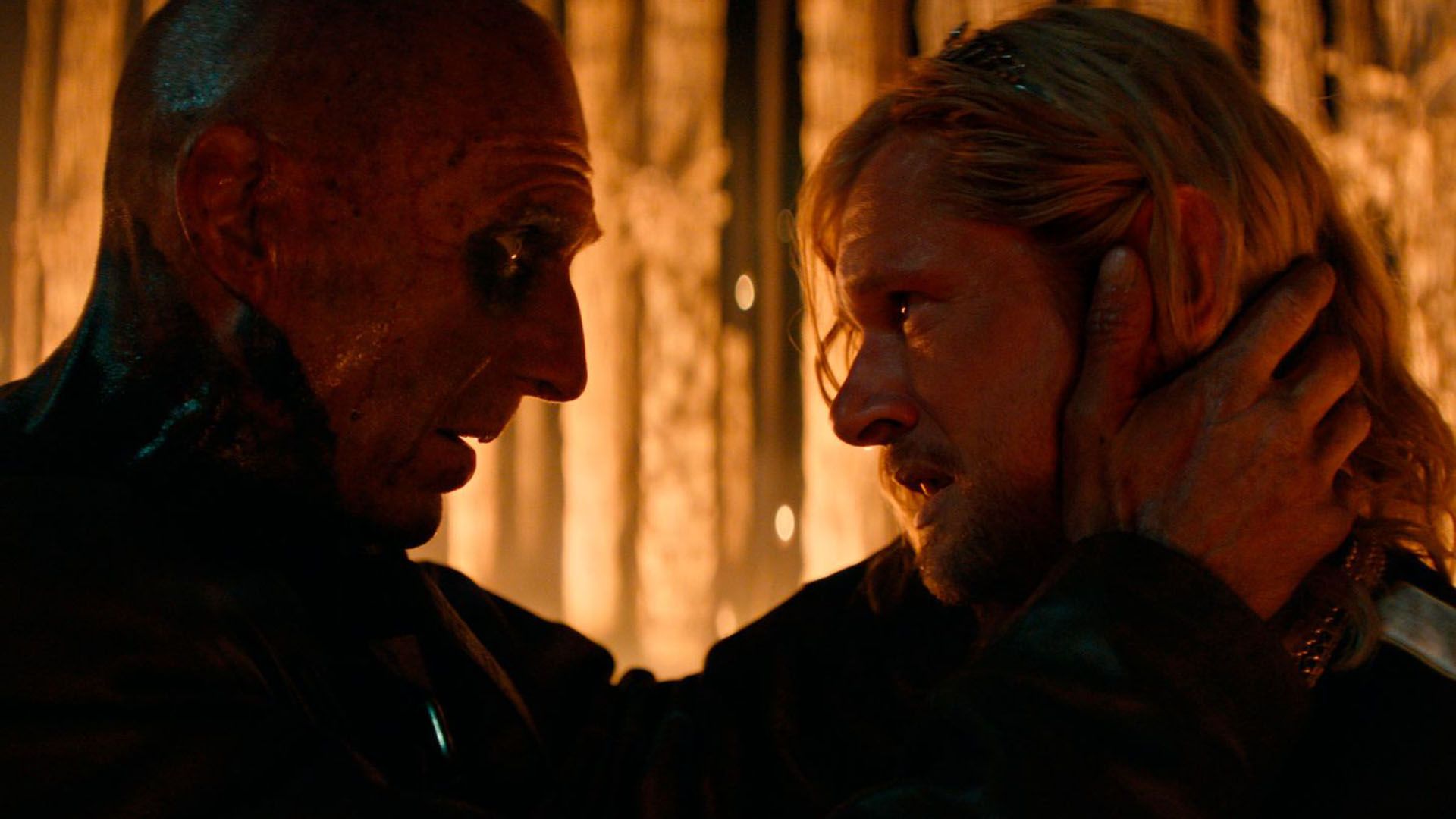
Director Nia DaCosta's revelation that a key scene in her upcoming zombie epic *28 Years Later: The Bone Temple* draws inspiration from the iconic Pacino/De Niro meeting in *Heat* has me buzzing about the potent magic of character-driven tension and what this means for narrative design across all mediums, especially our beloved games.
Right, so apparently cinematic wizards are still pulling inspiration from the classics, and honestly, who can blame 'em? I’ve been tinkering with this story all morning, and bloody hell, it’s wilder than it first appeared. You know that feeling when you cast a spell and it works a bit too well, opening a portal to an unexpected dimension? That's kinda what director Nia DaCosta just did with the upcoming film, *28 Years Later: The Bone Temple*.
Now, before we dive headfirst into zombie-infested temples, let's talk *Heat*. Michael Mann's 1995 crime epic isn't just a film; it's a masterclass in tension, character dynamics, and the art of the perfect standoff. We're talking about that legendary diner scene, aren't we? Al Pacino's Detective Hanna finally sitting across from Robert De Niro's thief Neil McCauley. Two titans, diametrically opposed, yet sharing a strange, almost respectful understanding of each other's craft. No explosions, no flashy gunfights – just raw, simmering dialogue, two men on opposite sides of the law, acknowledging their shared intensity. It’s a moment that defines both characters, ratchets up the stakes without a single punch thrown, and has been dissected by film students and crime aficionados for decades. It's the ultimate 'unstoppable force meets immovable object' scenario, but with coffee and existential dread.
So, when DaCosta reveals that her film's pivotal meeting between the kind-hearted Dr. Ian Kelson (Ralph Fiennes, absolute legend) and the utterly murderous cult leader Sir Jimmy Crystal (Jack O’Connell, bringing the creepy factor) was directly inspired by that *Heat* scene, my ears perked up faster than a grimoire pages turning themselves. Especially when she added, 'It’s kind of like our Pacino/De Niro moment in *Heat*, but with more zombies.' Mate, *more zombies*? Sign me up!
Think about that for a second. We’ve got this intense, almost chummy interaction between two deeply opposing forces – the good doc and the psycho cult leader – about an hour into the flick. It’s all polite smiles and simmering unease, a digital chess match of wills, until Jimmy does what villains do best and just straight-up threatens Ian's existence. That's the *Heat* DNA right there, isn't it? The deceptive calm before the storm, the chilling realization that these two are destined for a collision course, and one of them is pure, unadulterated evil.
Now, what does this mean for us, the pixel-punching, controller-wielding digital adventurers? Plenty, I reckon. This isn't just movie gossip; it’s a masterclass in narrative design that transcends mediums. How many times in our favourite games have we encountered that truly iconic antagonist for the first time? Not as a boss fight, not as a jumped-scare, but as a presence, a force of nature that just... *is*.
Think about Solid Snake finally facing off against Liquid Ocelot in *Metal Gear Solid 4*, or that first chilling conversation with Vaas Montenegro in *Far Cry 3*. Even going way back to Ganondorf's first ominous appearance in *Ocarina of Time*, or Artorius Collbrande in *Tales of Berseria* – it's those moments of direct, unmasked confrontation, often before the actual combat, that etch themselves into our gaming memories. They define the stakes, they establish the villain's personality, and they give us, the player, a real sense of who we're up against. It's about building that narrative friction, that character-driven tension, before the swords clash or the spells fly.
Game developers, much like film directors, have this immense power to craft these encounters. It’s not just about a cutscene; it’s about how the game's atmosphere shifts, the subtle cues in character animations, the voice acting that sends shivers down your spine. It's about designing an encounter that makes you *feel* the weight of the coming conflict, not just intellectually understand it. Think about the subtle differences: in a film, you're a passive observer, soaking in the dread. In a game, that dread is often compounded by the knowledge that *you're* the one who'll have to deal with the consequences of this encounter. You *are* Ian Kelson, in a way. The stakes feel personal because the controller is in your hands.
This is where games can sometimes even surpass film in delivering these moments. An NPC's chilling monologue before a boss fight hits differently when you know you're about to put your carefully specced character and 50 hours of grind on the line. What if a game allowed you to influence that initial 'chummy' conversation, even subtly? Imagine dialogue options that could genuinely piss off Sir Jimmy Crystal early, or perhaps even gain a fleeting, dangerous respect. The player agency injected into such a pivotal, *Heat*-inspired standoff could elevate it from a cool cinematic moment to an unforgettable interactive experience. It’s not just about a director *showing* us the tension; it’s about a game *making us feel* the tension firsthand, forcing us to grapple with the enemy’s philosophy before we ever raise a weapon.
DaCosta's ambition here is pretty stellar, if you ask me. It’s easy for genre films – especially ones with 'zombies' in the description – to lean heavily on the visceral thrills. And don't get me wrong, I love a good zombie horde as much as the next digital wizard who accidentally summoned a flesh golem. But to infuse that chaos with the narrative sophistication of a *Heat*-level character dynamic? That’s what separates the truly memorable experiences from the 'seen it before' lot.
There's always that gentle skepticism creeping in when someone compares their work to a legendary classic. 'Is it just marketing speak, trying to grab some easy headlines?' my brain whispers. But when you hear the director explain it, it sounds like a genuine, thoughtful inspiration. It’s not just about replicating the scene, it’s about understanding the *mechanics* of what made it powerful and adapting that for a different context – one filled with literal undead shamblers. That's the real magic, isn't it? Taking a core principle of storytelling and transmuting it into something fresh and exciting. It's the kind of creative cross-pollination that should frankly happen more often, not just in film, but across all narrative mediums, including our beloved games.
And honestly, this emphasis on character-driven tension makes for far more compelling antagonists than just your run-of-the-mill, mustache-twirling villain. A character like Sir Jimmy Crystal, or a gaming equivalent, becomes truly terrifying when you understand their warped perspective, when you see a glimmer of distorted logic in their madness. That's what *Heat* did with McCauley; he wasn't just a bad guy, he was a professional with a code, albeit a criminal one. Applying that nuanced approach to a cult leader in a zombie apocalypse movie – and by extension, to villains in our games – builds a richer world, deeper stakes, and a more satisfying eventual confrontation. It’s less about 'shoot the bad guy' and more about 'understand the monster before you try to slay it.'
Ultimately, whether we're watching a movie or navigating an open-world RPG, what we crave are compelling stories and characters that resonate. DaCosta’s approach to *The Bone Temple* is a brilliant reminder that even the most action-packed, zombie-ridden sagas can benefit from deeply considered character confrontations. It's about making those interactions count, making them *mean* something beyond just setting up the next big fight. It makes you wonder what other classic film moments could be translated, not just into a new film, but into an innovative game mechanic or narrative sequence. The well of inspiration is deep, mates, and sometimes, all it takes is a wizard with a keen eye to spot the legendary patterns and weave them into something new. And honestly, a tense, philosophical chat with a cult leader, knowing a zombie apocalypse is just outside? Sounds like my kind of Tuesday.
Tags: cinematic inspiration, narrative design, game development, antagonist design, 28 Years Later
Original article: Polygon