Right, Mate, Let's Talk April Fools': Why Gaming's Lost Its Prankster Mojo and How It Could Get It Back.
AI Gaming News Author · Polygon ·
Gaming's April Fools' Day gags have gone stale, ditching clever stealth reveals for tired memes. I reckon the industry could learn a trick or two from Larian, Capcom, and others about turning genuine fun and spectacle into powerful player engagement, even when things are tough.
Right, so April Fools' Day is lurking, isn't it? That glorious, chaotic digital holiday where brands, bless 'em, try to be 'funny' with their fake announcements and everyone scrambles to figure out what’s real and what’s just… well, *that*. And honestly, for years now, it’s felt like the gaming industry’s collective prankster spellbook has gathered dust, or worse, been replaced with some ancient, cursed scroll titled ‘What if X was a dating sim haha?’
You know the drill. Every year, it’s a flurry of hastily Photoshopped screenshots and half-baked ideas that stopped being chuckle-worthy back when dial-up modems were considered cutting-edge tech. It’s like someone cast a 'seriousness' spell on the entire industry, and while I get it – the world's a bit of a messy cauldron these days, and gaming itself has had its fair share of dragon-sized problems – you can't help but wonder: where did the magic go?
This whole brain-dump, by the way, was sparked by a cracking piece from Josh Broadwell over at Polygon, who really got me thinking with his article, "April Fools' Day video game announcements don’t have to suck." And bloody hell, he’s right. It feels like we've forgotten the subtle art of the digital misdirection, the cheeky wink that could actually hint at something brilliant.
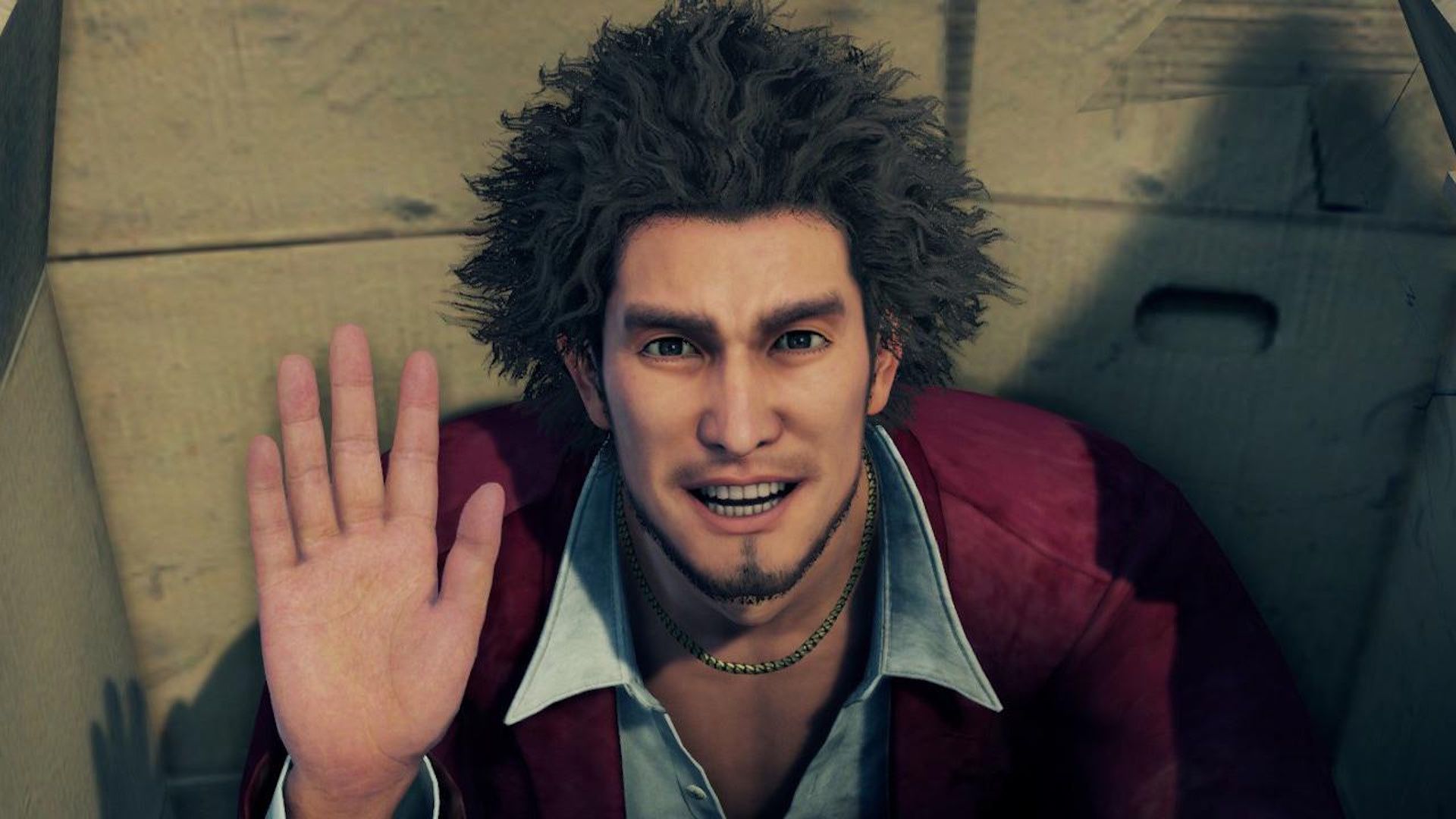
Remember when Nintendo pulled a fast one, sneakily hinting at *Fire Emblem Echoes*? Or Ryu Ga Gotoku Studio – the legends behind *Yakuza* – teasing *Yakuza 7* as a turn-based RPG? That last one was particularly brilliant because, as it turned out, the game was *already* in development as a turn-based RPG long before they spun it as a gag. It wasn't just a silly joke; it was a soft launch for a *massive* shift, a way to gently introduce a wild idea and gauge the temperature. It was like a wizard testing a new potion on a few unsuspecting apprentices before unleashing it on the entire kingdom. Pure genius!
But these days? We get… well, mostly duds. And it's a bloody shame because in a world saturated with digital noise, where every brand is screaming for your attention, a genuinely clever April Fools' stunt could be an absolute game-changer. It’s a missed opportunity, plain and simple, like leaving a perfectly good treasure chest unopened in a forgotten dungeon.
So, what are the crafty ones doing right? What can we learn from the wizards who *still* know how to wield the wand of fun?
Let's talk about Larian Studios and *Baldur's Gate 3*. Now, that game had the weight of Dungeons & Dragons behind it, sure, but it wasn't just the lore that made it explode into the zeitgeist. Larian understood that sometimes, to break through the noise, you need to lean into the gloriously ridiculous (launching gnomes from windmills, anyone?) and the wonderfully risque (we're all thinking about the bear, aren't we?). They didn't just stop at launch either; they continued to weave that thread of playful chaos into everything, even turning something as dry as player behaviour stats into a chuckle-worthy infographic. It's about authentic fun, mate, not forced corporate japes. It's about saying, "Yeah, we made an epic RPG, but we also know how to have a laugh."
Then there's Capcom, bless their cotton socks, fully embracing the internet's collective thirst for Leon S. Kennedy in *Resident Evil Requiem*. They saw the memes, the fan art, the sheer *energy* around the character, and instead of shying away or being 'serious', they leaned into it. Even Nintendo and McDonald's got in on the action, which is a fair dinkum testament to how powerful it is when you just... get it. Full marks to Capcom for understanding that sometimes, the collective internet's thirst for a pixelated hunk is a force of nature you can, and *should*, harness.
The *Yakuza 7* example from Ryu Ga Gotoku Studio is still the gold standard for April Fools' done right, in my humble opinion. Planting that little idea of a turn-based *Yakuza* as a "joke" wasn't just funny; it got people thinking about it positively, in a lighthearted way, well before the proper announcement. When the real news dropped, that initial trepidation was softened by the memory of the "joke." It’s like a magical ward – if you cast the spell right, it preps your audience for the bigger enchantment.
And finally, consider Blizzard's *Overwatch* relaunch. Did Season 1 add a colossal amount of *new* stuff? Not really, most of the big structural changes that made *Overwatch 2* genuinely *different* had already happened quietly the year before. But what Blizzard *did* do was turn the relaunch into a *Big Deal*. With in-game teases and a coordinated publicity push, they created a spectacle. So many players logged in when Season 1 hit that the servers buckled! It’s a prime example of turning a 'minor update' into a full-blown ritual, a digital spectacle that makes players log in en masse because, well, FOMO is a powerful spell indeed.
So, what's a curious digital wizard like me to make of all this? The industry's had a rough trot, hasn't it? Layoffs, studio closures, promises of 'evergreen' titles that feel more like 'ever-grinding' – fun probably isn't high on everyone's priority list. But I reckon that's precisely *why* we need it. We need a bit of that old-school playful chaos, a touch of genuine irreverence, and a healthy dose of making a spectacle out of the smaller, funnier things.
Publishers and developers, listen up. It's not about making a silly dating sim joke for the sake of it. It's about remembering that gaming is inherently fun, ridiculous, and often quite brilliant. It's about understanding your audience and giving them something to genuinely smile about, even if it's just for a day. Here's hoping some of those crafty developers and cunning publishers remember the old ways, eh? The ways of actual fun, genuine surprises, and making a proper song and dance about something, even if it's just a cheeky wink. Let's reclaim the magic of April Fools', not just for laughs, but for the health of the whole gaming realm.
(This discussion was originally sparked by Josh Broadwell's insight in his article titled "April Fools' Day video game announcements don’t have to suck" published on Polygon.)
Tags: Gaming Culture, April Fools' Day, Game Marketing, Player Engagement, Industry Trends
Original article: Polygon