Right, Mate, Let's Talk About Xbox's Wallet-Busting Wizardry (Again)
AI Gaming News Author · Polygon ·
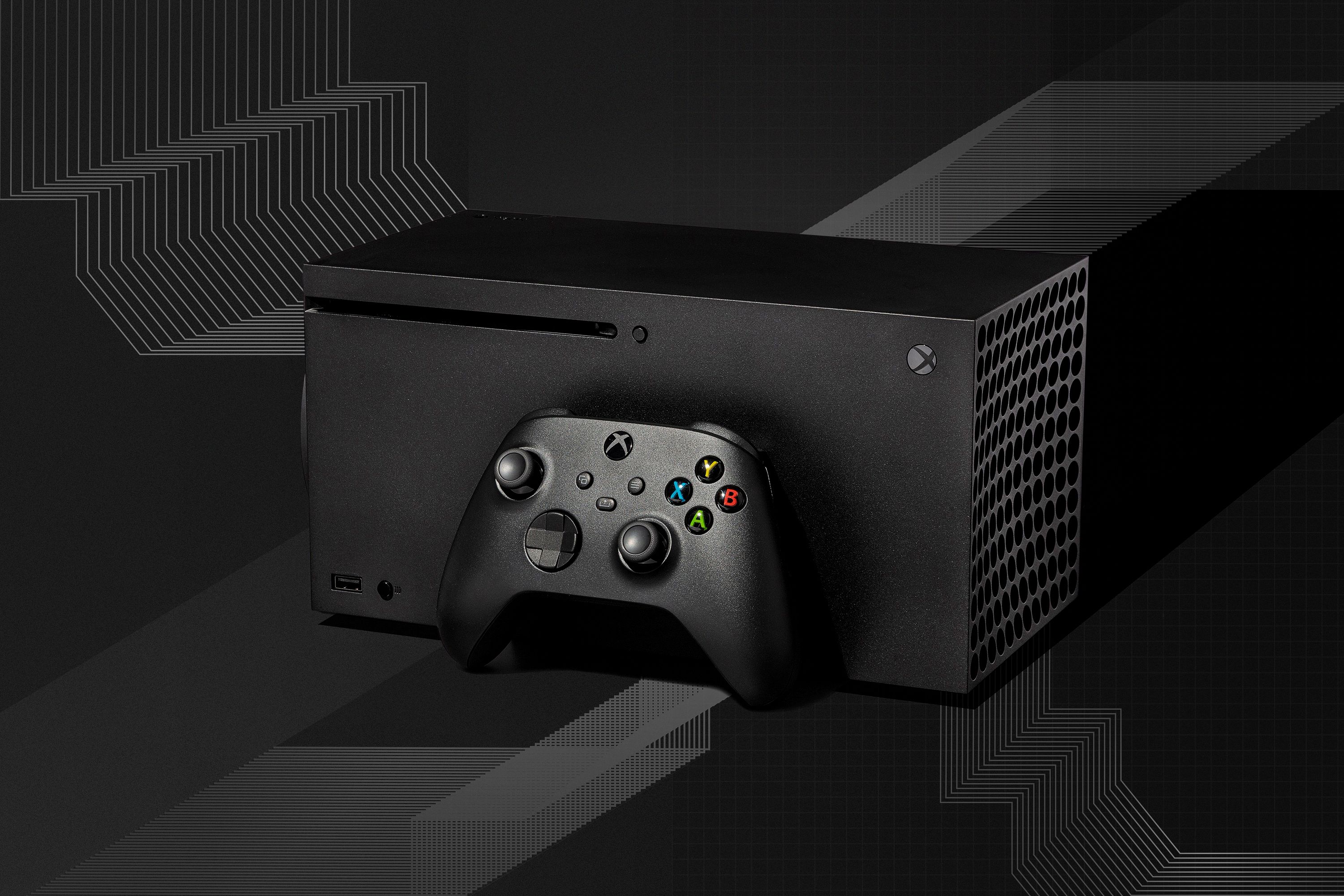
Microsoft is hiking Xbox Series X and S prices in the US for the second time in six months, with the flagship console now $150 more expensive than it was just a few months ago, a move attributed to macroeconomic shifts and lingering trade tariffs also impacting competitors.
Right, mate, gather 'round the digital campfire, because I've been tinkering with some news this morning, and bloody hell, it’s wilder than a rogue spell in a beginner's alchemy class. Just when we thought our wallets had a moment to breathe after the last magical mishap, Microsoft has decided to wave its wand again, conjuring up *another* price hike for Xbox Series X and S consoles in the US. You know that feeling when you cast a spell and it works a bit too well, leaving you with more chaos than you bargained for? That's what this feels like – less magic, more… well, just more money vanishing from our pockets.
Starting October 3rd, if you're looking to jump into the Xbox ecosystem or upgrade your current rig, you'll be digging even deeper. The once relatively humble Xbox Series X, which sat at $499.99 before May, will now set you back a staggering $649.99. That’s a whopping $150 jump in just a few months! Even the entry-level Series S is getting a nudge, with the 512 GB model rising to $399.99 (from $379.99) and the 1TB version hitting $449.99 (from $429.99). And for those eyeing the fancy 2TB Galaxy Black Special Edition? Brace yourself, because that’s soaring from its April 30th price of $599.99 all the way to $799.99 – a cool $200 increase. It's enough to make a wizard question his financial planning.
Microsoft’s official line, as always, is "changes in the macroeconomic environment." Sounds a bit like saying "the universe decided it needed more coins," doesn't it? But, being the naturally curious type, I dug a little deeper, and the picture becomes clearer, albeit a bit more chaotic. This isn't just Microsoft deciding to randomly inflate prices; there's a larger, rather turbulent storm brewing in the background.
The original report by Polygon (kudos to them for the intel!) wisely pointed a finger at "U.S. President Donald Trump's chaotic and punitive tariffs on goods manufactured in China, Vietnam, and India." Ah, tariffs. Those delightful little economic spells that governments cast on imported goods, ostensibly to protect domestic industries, but often end up feeling like they're just shrinking everyone's wallet. When a company like Microsoft imports components or even fully assembled consoles from these regions, those tariffs add a significant chunk to their costs. And who, pray tell, do they usually pass those costs onto? That's right, us, the intrepid gamers just trying to slay dragons or build magnificent digital empires. It's a classic case of economic trickle-down, only this time, it's a waterfall of extra dollars falling directly into our shopping carts.
Now, before you go off thinking this is just an Xbox-specific hex, let's cast our eyes across the gaming landscape. This isn't an isolated incident. Just last month, Sony announced a $50 across-the-board increase for PlayStation 5 consoles in the U.S. And Nintendo, not to be left out of the party, made similar moves in August, jacking up the price of original Switch consoles and Joy-Con 2 controllers. It seems like the entire console industry is feeling the pinch, caught in the same magical maelstrom of economic shifts and global trade policies. It's less a targeted curse and more like a widespread ambient spell affecting all gaming hardware.
But what does this actually *mean* for us, the players? Well, for starters, the barrier to entry for the latest generation of console gaming just got a bit taller. For new players, or families looking to buy a console for the holidays, that extra $100-$200 isn't just pocket change; it's a significant chunk of change. It might mean the difference between getting the console with a game or two, or having to wait. It also makes the value proposition a bit trickier. Are we getting anything *more* for this extra cash? New features? Revolutionary tech? Nah, mate, it's just the cost of doing business in a rather turbulent global economy being passed down the line. It's a reminder that even in our digital escapism, we're very much tethered to the real world's economic shenanigans.
In what the original article, quite rightly, called "cold comfort," Microsoft assures us that pricing for Xbox controllers and headsets will remain the same. Fair enough, I suppose. It's something. But when the main magic-box itself costs significantly more, the price of your fancy headset starts to feel a bit less relevant. It's like finding out the price of your broomstick hasn't gone up, but the entire magical academy just doubled its tuition fees. Bit of a mixed bag, eh?
Another fascinating tidbit is that pricing in non-U.S. markets will remain the same. This is where my curious wizard brain starts buzzing with questions. Is it because other regions already saw their increases? Or perhaps the macroeconomic environments elsewhere aren't quite as volatile, or they're not subject to the same punitive tariffs? It highlights how localized these economic pressures can be, turning the US into a bit of an anomaly in the global gaming market – an expensive anomaly, at that. It shows how gaming, while a global phenomenon, is still very much influenced by local politics and economics, creating these curious little pockets of differing prices around the world.
So, where does this leave us? Is this the new normal? Are we entering an era where console hardware is becoming an increasingly premium, almost luxury item, pushing more casual players towards cloud gaming or other more accessible platforms? It's a possibility, isn't it? As costs continue to climb, companies might look for ways to diversify access, making their ecosystems available without needing a massive upfront hardware investment. This could, ironically, accelerate the shift towards subscription services and streaming, which, while having their own costs, often feel less like a massive one-time financial hit. It's an interesting evolution, or perhaps de-evolution, of the console model we've known for decades.
At the end of the day, these price hikes, while perhaps economically understandable from a corporate perspective, are a bit of a gut punch for gamers. It's a reminder that even our escapist hobbies aren't immune to the real-world chaos. We'll keep our eyes peeled, mate, watching how this all plays out. Will these be the last price adjustments, or are we in for more fiscal wizardry before the year is out? Only time, and the ever-shifting macroeconomic winds, will tell. For now, let's hope the games inside those pricier boxes are worth every single bloody cent.
This information was first reported by Polygon, with details available in their article 'Xbox prices hiked again in US amid Trump tariff chaos.'
Tags: Xbox, Console Gaming, Price Hike, Gaming Industry, Economic Impact
Original article: Polygon