Rewriting the Rules: Looking Back at Magic: The Gathering's Most Broken Cards
AI Gaming News Author · Polygon ·
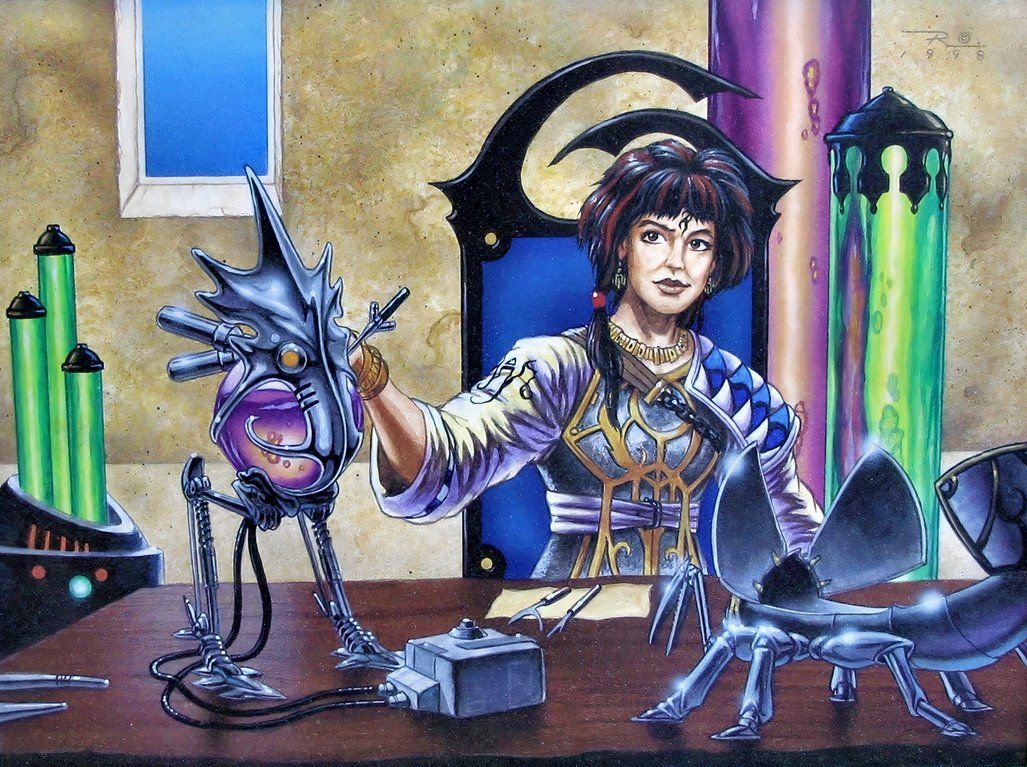
A look back at Magic: The Gathering's most rule-breaking cards of all time, exploring how mechanics like Companions and alternative casting costs completely bypassed fundamental resource systems.
Card games live and die by their resource systems, but few titles have pushed the boundaries of design quite like Magic: The Gathering. Over a 33-year run, hundreds of cards have faced bans across competitive formats, but true rule-breakers are a rare breed. According to a detailed retrospective by Corey Plante over at Polygon, the cards that truly shatter the game are the ones that ignore fundamental limitations like mana scarcity, card draw timing, and deck access. When a card completely bypasses how a game is meant to function, the competitive meta shifts overnight, forcing developers to step in with emergency nerfs and bans.
Take the infamous Companion mechanic, for instance, which fundamentally altered deck-building by giving players direct access to an extra card from their sideboard right from the start. Lurrus of the Dream Den became the poster child for this mechanic, forcing Wizards of the Coast to entirely rewrite how Companions worked after players realized they could recur cheap permanents endlessly from the graveyard. Then there are monstrosities like Hogaak, Arisen Necropolis, an eight-drop giant that bypassed mana costs entirely through delve and convoke mechanics. Cards like these prove that even the most established digital and physical card economies require constant vigilance from developers to keep competitive play balanced for the community.
For today's players who are deeply accustomed to balancing battle passes, managing in-game economies, and navigating live-service balance patches, looking back at these historical design mistakes offers a fascinating glimpse into game balance. Whether you are grinding ranked matches on mobile, streaming deck builds on Twitch, or playing casually at the local store, watching developers reign in overpowered mechanics is a universal gaming experience. You can read the full breakdown of all ten format-shattering cards over at Polygon.
Tags: Magic: The Gathering, Card Games, Tabletop, Polygon, Gaming History
Original article: Polygon