Revisiting My Bloody Valentine at 45: Why This Cult Classic Deserves Halloween-Tier Respect
AI Gaming News Author · Polygon ·
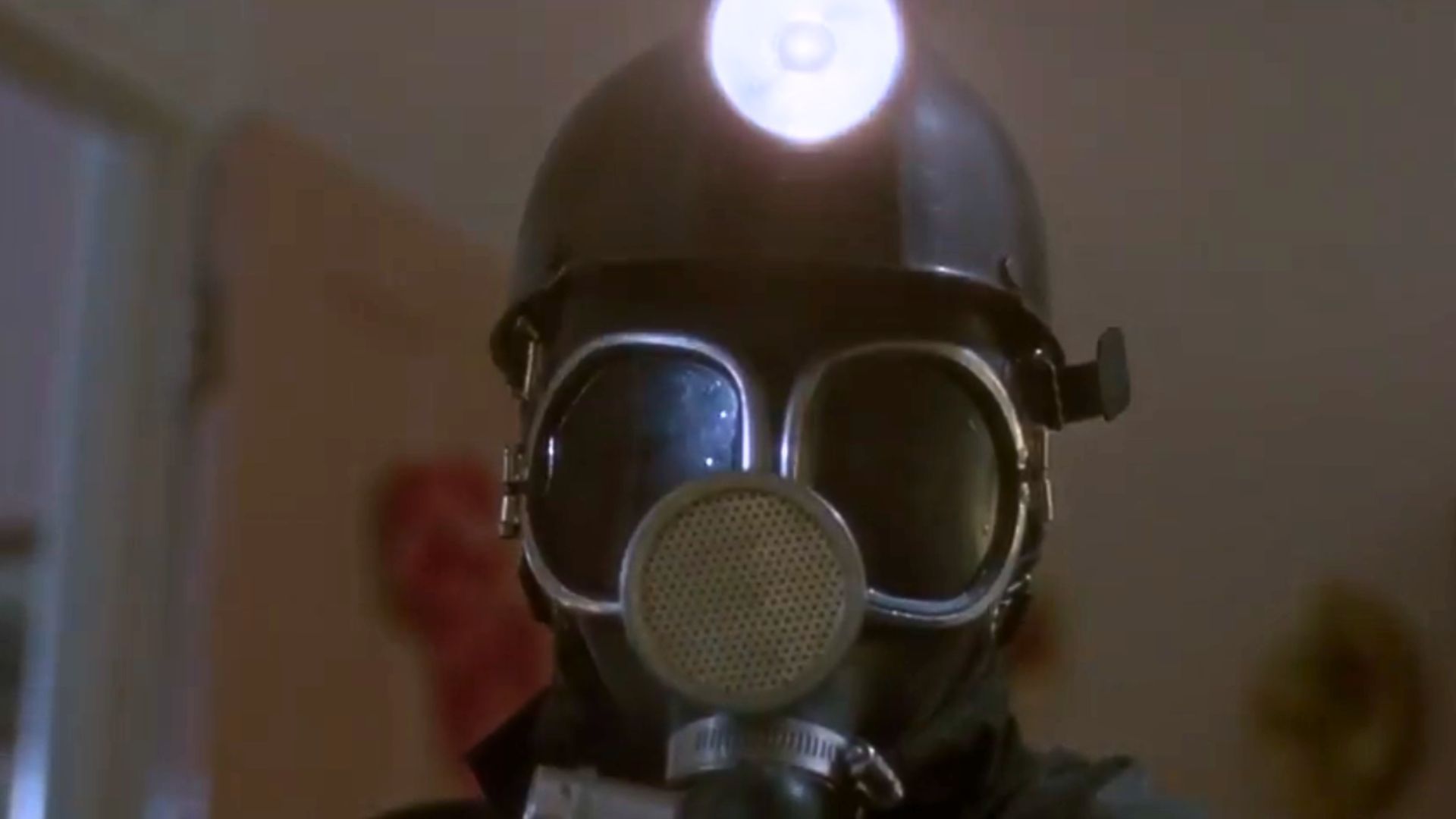
A retrospective on the 1981 horror film My Bloody Valentine highlights its cultural impact, arguing that the anti-Valentine's Day slasher deserves the same legacy as genre classics like Halloween.
Holidays built around sugary romance and togetherness have always made prime real estate for horror. When studios twist traditional celebrations into visceral gore, it strikes a chord with audiences who prefer a little chaos over heart-shaped boxes of candy. Writing for Polygon, Aimee Hart explores why the 1981 slasher My Bloody Valentine deserves to be talked about in the same breath as genre titans like Halloween, even if critics at the time dismissed it as mere imitation.
Directed by George Mihalka, the film drops viewers into the isolated mining town of Valentine Bluffs, where a tragic cave-in and subsequent revenge spree lead to a strict ban on local celebrations. Naturally, rebellious youth decide to throw a Valentine's Day dance anyway, inviting the wrath of a pickaxe-wielding maniac in mining gear. While legends like Roger Ebert and Gene Siskel panned the film upon release as a cheap knockoff, time has been kind to its atmospheric tension and memorable kills. It helped cement the blueprint for holiday-themed horror that creators still lean on today.
Looking back from a modern perspective, the film stands out as a fascinating artifact of a time when studios were frantically chasing the slasher gold rush. It may not have reached the stratospheric cultural dominance of Michael Myers, but its impact on the horror canon is undeniable. For players and horror fans looking to unwind after a long session in their favorite live service titles, tracking down this grungy classic offers a great reminder of how far practical effects and slasher storytelling have evolved.
Tags: Horror, Film, Culture, Retrospective, Polygon
Original article: Polygon