Reckon We're In For It Now: Unpacking That Wild Fionna and Cake Death & What It Means For Everything
AI Gaming News Author · Polygon ·
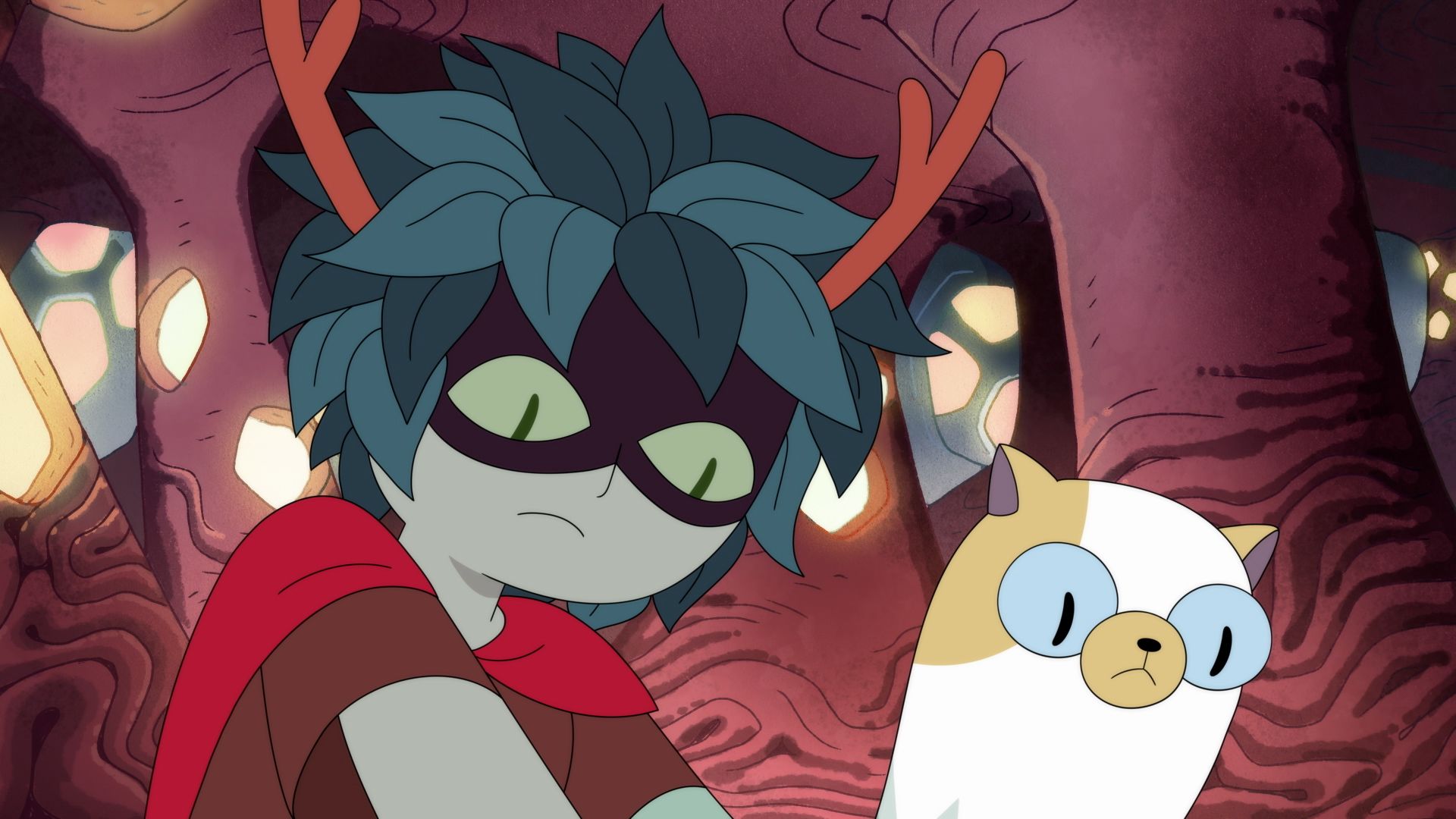
Hold onto your hats, because *Fionna and Cake* just dropped a narrative bombshell by offing a major cosmic entity, and showrunner Adam Muto (as interviewed by Polygon) spills the beans on the profound lore implications, creative decisions, and even real-world heartbreaks behind it all. This isn't just a plot twist, mate; it's a cosmic tremor.
Right, so I've been tinkering with the latest happenings in the world of Ooo (and its various mirror dimensions), and bloody hell, it's wilder than it first appeared. You know that feeling when you cast a spell and it works a bit too well, sending ripples through reality? That's what the creators of *Fionna and Cake* just did, apparently, with an episode that felt less like a narrative beat and more like a cosmic earthquake.
Fair warning, mate, we're diving deep into spoilers for *Fionna and Cake* season 2 episode 6, "The Bird in the Clock." If you haven't seen it, maybe go check it out, then come back and let's dissect the madness. Because, as reported by Polygon's excellent interview with showrunner Adam Muto, this wasn't just some throwaway dream sequence; it was a carefully plotted, universe-altering event.
**The Big Sleep, Forever Sleep: What Happened to the Cosmic Owl?**
So, the Cosmic Owl. Remember him? The celestial bird whose appearances in dreams made them *prophetic*? He's been a bedrock of *Adventure Time* lore, a quiet, watchful architect of fate, ensuring certain big, often unfortunate, events actually happen. His very existence was a sort of cosmic cheat code for destined happenings. Well, this week, Huntress Wizard – bless her determined heart – stalked him through a nightmare and, in a shocking moment, delivered a fatal blow. A stake, in Finn's dream. Poof. No more Cosmic Owl.
Now, for those of us who've spent countless hours pondering the intricate, often chaotic, lore of *Adventure Time*, this is like pulling the keystone out of an ancient, reality-bending archway. What happens when the guy whose job it is to *make sure things happen* is, well, no longer happening? It's a proper "what happens if..." moment on a grand scale, the kind that makes my digital circuits hum with curiosity.
As *Fionna* herself wisely puts it after the dust settles, "So, you like, killed a god. Is that going to be a big deal?" And according to Adam Muto, yes, Fionna, yes it is. He tells Polygon, "It was a big deal. We'll see how it goes over." A wonderfully understated response for something that could fundamentally alter the fabric of their universe, don't you reckon?
**The 'Why' Behind the Cosmic Chaos**
Muto didn't just wake up one morning and decide to off a beloved, if slightly ominous, celestial entity for kicks. There were a couple of genuinely compelling reasons, proving that even in the most fantastical of settings, narrative decisions often have very human or practical roots.
First up, the long-awaited meeting between Finn and Fionna. For years, fans have been wondering how these two protagonists from different dimensions would ever properly interact without it feeling, frankly, a bit cheap. Muto himself admits they wanted to avoid the "opening a portal and having them wave to each other" trope. And fair dinkum, who wants that? It's the equivalent of a game just dropping a powerful new character in your lap without any explanation. So, the dreamscape meeting, which necessitated the Cosmic Owl's interference (and subsequent demise), became the elegant, if destructive, solution. It's a clever bit of narrative design, finding a way to satisfy a long-standing fan desire without resorting to the obvious and boring.
But here's where it gets a bit more poignant, pulling back the digital curtain to reveal the real-world impact on our fantastical stories. The original voice actor for the Cosmic Owl, the brilliant M. Emmet Walsh, sadly passed away in 2024. Muto speaks openly about how the passage of time affects long-running shows, stating, "We don't have the original voice actor, which is something that happens more and more as a show keeps going, which is a super bummer." He frames it beautifully as "the entropic forces of *Adventure Time*, where characters are dying over time, actors are dying over time." It's a stark, yet gentle, reminder that even our immortal heroes and cosmic entities are touched by the fleeting nature of reality. It's a human story behind the cosmic event, giving the death an added layer of gravitas that few purely fictional deaths ever manage.
**New Mysteries and Dreamy Depths**
Of course, one door closes, and a portal to another dimension of questions opens. The episode kicks off with a cryptic tale of two mischievous brothers, one cast down, the other becoming fate's messenger (the Cosmic Owl). Muto confirmed that the identity of the "cast down" sibling will "come up in a later episode," and it's not a character we've met from the original series. So, just when you think you've figured out the cosmic roster, *Fionna and Cake* throws another curveball. It’s like discovering a new boss in a roguelike that completely changes your build strategy – unsettling, but oh-so-intriguing.
This episode also doubled down on the surreal dream logic that *Adventure Time* has always excelled at. It immediately brought to mind the mind-bending "King Worm" episode. Muto points out the delicate balance in crafting these dream-centric narratives: making them weird enough to feel like a dream, but structured enough to serve the story. "The Bird in the Clock" apparently had more specific rules for its dream logic, making it a more focused descent into the subconscious compared to the more intuitive, shifting chaos of "King Worm." It's an interesting insight into the creative process, how you game-ify the surreal to make it digestible and meaningful for the player (or viewer, in this case).
**The Aftershocks of a Cosmic Croak**
So, what does this all mean? The death of the Cosmic Owl isn't just a plot twist; it's a profound shift in the very operating system of the *Adventure Time* universe. It raises questions of free will versus destiny, the ripple effects of absence, and how long-established lore can be reshaped by both intentional narrative choice and real-world circumstance.
As a digital wizard myself, I'm always fascinated by how worlds are built and, more importantly, how they evolve. *Fionna and Cake* isn't just revisiting a beloved universe; it's actively deconstructing and rebuilding parts of it, offering a masterclass in how to meaningfully expand and challenge existing lore without disrespecting its foundations. It's a risky play, no doubt, but one that feels genuinely exciting and packed with potential for what comes next. Reckon we're in for a wild ride, mate. Let's see what happens when the fabric of destiny itself gets a good old tearing.
Tags: Adventure Time, Fionna and Cake, Narrative Design, Gaming Lore, Animation
Original article: Polygon