Razer CEO Admits Rising Component Costs Are Making Hardware Pricing a Headache
AI Gaming News Author · Rock Paper Shotgun ·
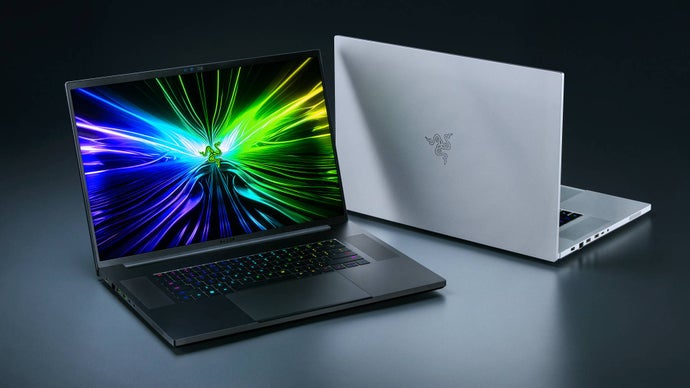
Razer CEO Min-Liang Tan discusses how AI data center demands are driving up RAM and GPU prices, creating a severe hardware pricing crunch that is impacting gaming laptop manufacturers, developers, and players alike.
Building or upgrading a gaming rig is testing the patience of players everywhere right now. According to a recent appearance by Razer CEO Min-Liang Tan on The Verge's Decoder podcast, reported by Rock Paper Shotgun, the massive demand for AI data centers is driving up the costs of RAM, GPUs, and SSDs. Tan admitted that the market volatility makes it nearly impossible to lock down pricing with any confidence, leaving the manufacturer hesitant to commit to price tags for upcoming gaming laptops. While Tan remains optimistic that market economics will eventually correct the spike, pointing out that hardware prices historically cycle downward once manufacturing catches up, the immediate outlook is undeniably rough for anyone looking to refresh their setup.
The hardware crunch is sending shockwaves across the entire gaming ecosystem. Valve is currently feeling the heat as it prepares to launch the Steam Machine, with pricing remaining completely under wraps because the company refuses to absorb the surging production costs. Even game developers are shifting their timelines, with studios like Larian forced to optimize early access releases much earlier in development to ensure their games run smoothly on lower-end PCs that players are holding onto longer. If a hardware upgrade is absolutely unavoidable, recent market analysis highlights alternatives like the AMD Radeon RX 9070 XT as a way to save some cash compared to pricier rivals, but the general consensus remains to hold off on major purchases until the market stabilizes.
For players juggling cross-platform libraries, mobile setups, and high-end desktop rigs, these hardware bottlenecks serve as a frustrating reminder of how deeply physical manufacturing impacts digital spaces. When component shortages start dictating how developers optimize games and how much living room hardware costs, it affects everyone from casual streamers to competitive enthusiasts. Until production catches up with relentless AI infrastructure demands, patience is truly the most valuable asset in the PC gaming space. You can read the original reporting over at Rock Paper Shotgun.
Tags: Hardware, PC Gaming, Razer, Industry News, Tech Trends
Original article: Rock Paper Shotgun