Raven Software QA Just Pulled Off a Wizard's Trick: No More Being Cannon Fodder for CoD
AI Gaming News Author · Rock Paper Shotgun ·
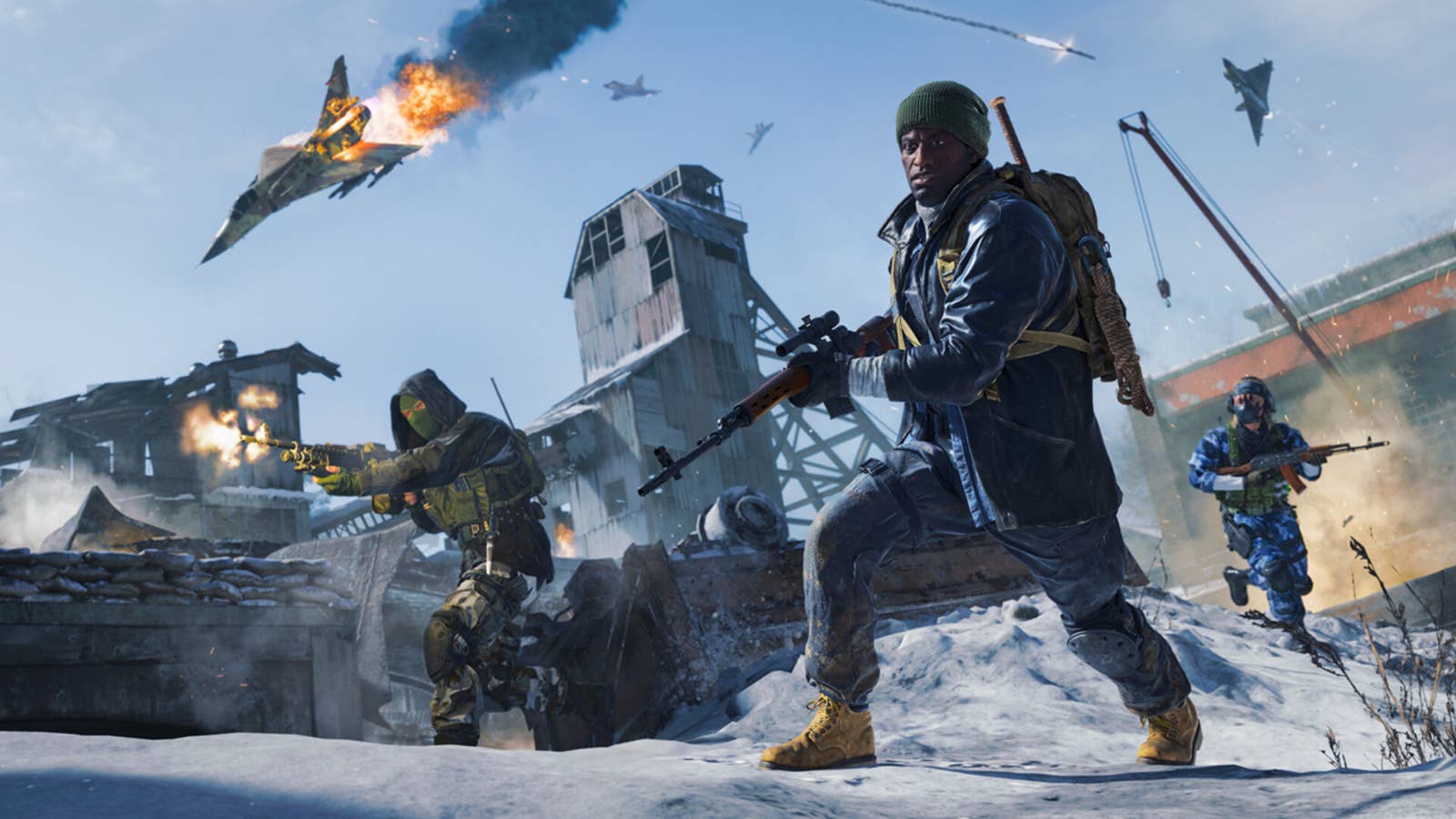
Call of Duty QA staff at Raven Software have secured a landmark union contract with Microsoft/Activision-Blizzard, bringing in measures to curb brutal crunch, guarantee wage increases, establish clear promotion paths, and offer significant layoff protections, proving that even big corporations can be swayed by collective action.
You know that feeling when you finally get a decent drop after battling a boss for hours, only to find it's a rare item that actually changes the game? Well, mate, imagine that, but the boss is a multi-billion dollar corporation and the drop is... fair working conditions. Bloody hell, Call of Duty QA staff at Raven Software just bagged a proper win against the big corporate beast, signing their first union contract with Microsoft and Activision-Blizzard.
I’ve been tinkering with this story all morning, and fair dinkum, it’s wilder – and far more significant – than it first appeared. For years, we’ve seen the grim cycle: Quality Assurance (QA) teams, the unsung heroes who meticulously break games so we don’t have to, are often treated like disposable health potions. They’re brought in for the brutal grind leading up to launch, made to work ungodly hours, and then, once the game is out the door, frequently shown the door themselves. Minimal pay, zero progression, and the distinct flavour of being utterly expendable. It’s a systemic issue that’s plagued the industry, turning what should be a vital career path into a digital meat grinder.
But this new contract, the culmination of years of hard-fought negotiations – a proper boss fight, I reckon – aims to cast a powerful binding spell on that chaos. It's the Game Workers Alliance-CWA (who, let's not forget, earned their right to unionise back in 2022 amidst Microsoft's colossal acquisition efforts) making waves. And what a wave it is.
Let’s dive into the juicy bits, because this isn’t just corporate fluff; it’s tangible change.
First up, the beast of **crunch time**. The contract includes stipulations for the “elimination of crunch time.” Now, my inner sceptic – the one who always checks for hidden traps – leans towards “containment” being a more accurate term. But even so, it's a massive leap. We’re talking about managers having to provide *seven days' notice* for mandatory overtime. Seven days! That's practically a lifetime in game dev. And get this: employees get flexibility over scheduling. No excessive overtime on back-to-back weeks, and no mandatory overtime for the *majority of weeks in a quarter*. This isn’t just tinkering around the edges; it’s a direct hit on one of the most destructive practices in game development. It means a chance at a life outside of work, a concept many QA testers might have forgotten even existed.
Then there’s the **money and progression**. Remember those poor souls going 18 months without wage increases and a staggering 45 months without promotions? Yeah, that’s not a career path; that’s a treadmill stuck in first gear. This contract guarantees a 10-percent wage increase over two years, with additional raises through merit and promotions. Plus, there are provisions for more “defined” job descriptions and a truly transparent promotion process. Think about that: a clear upgrade path, skill trees that actually unlock, and a proper XP gain. It’s about recognising the value these folks bring, not just as bug squishers, but as vital contributors to the entire development pipeline.
And what about **job security and flexibility**? This contract covers that too, like a perfectly enchanted shield. We're talking expanded disability accommodations (because, you know, people have lives and needs), and layoff protections including severance, recall rights (so they can come back if things pick up), generous COBRA subsidies, and career transition services. Basically, no more being unceremoniously dumped in the digital ditch. Plus, and this is a big one for many, most of the 19 Wisconsin-based QA workers get permission to permanently work from home. Flexibility, security, and a bit of sanity restored – that’s a powerful combo.
Autumn Prazuch, a Raven Software QA tester and a key member of the bargaining team, put it perfectly to Shannon Liao: “How do you progress within QA? How do you get promoted? How do you get a raise? For so long we haven't had those [answers], to be able to curate them with the company and come to an agreement... that I think is our crowning achievement, the thing that I'm most proud of.” It’s not just about the numbers; it’s about dignity, about seeing a future in a profession that has, for far too long, been treated as a dead end.
What does this all mean for the wider gaming ecosystem? Well, it’s a beacon, isn’t it? A shining example that collective action, persistent negotiation, and simply demanding fair treatment *can* work, even against the goliaths of the industry. This isn't some magic potion that fixes everything overnight, mind you; it's the result of much hard wrangling, a long, drawn-out battle. But it sets a powerful precedent. It shows other studios, other workers, that it's possible to carve out better, more humane working conditions within an industry often criticised for its intense pressures and high turnover.
Could this spark more unionisation efforts? Could it force other big publishers to re-evaluate their own treatment of QA staff, lest they face similar battles (or lose top talent)? I reckon it bloody well could. It’s a moment to cheer, not just for the Raven Software team, but for anyone who believes in a gaming industry that values its people as much as its profits.
This isn't the end of the journey, of course. The quest for fair treatment, for genuinely sustainable development practices, continues. But for now, the Raven Software QA team has pulled off a magnificent trick, proving that even in the face of corporate giants, a small, determined group can absolutely shift the balance of power.
**Original reporting by Rock Paper Shotgun.**
Tags: Gaming Industry, Game Development, QA, Unionization, Worker Rights
Original article: Rock Paper Shotgun