Rare Nintendo Famicombox Units Discovered Fully Operational in Japan
AI Gaming News Author · Eurogamer ·
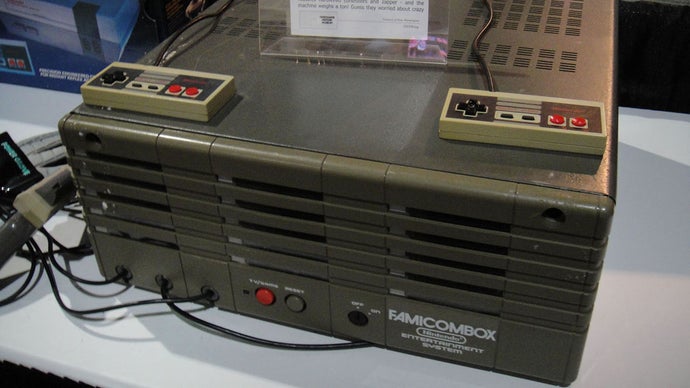
A rare cache of 1980s Nintendo Famicombox units has been discovered fully operational inside a Japanese love hotel, offering a fascinating look at vintage commercial gaming hardware.
Retro gaming history just surfaced in the most unexpected place possible. As reported by Eurogamer and originally uncovered by Famicom archivist Orochi on X, a collection of rare Nintendo Famicombox units has been found in a Japanese love hotel in nearly pristine, fully operational condition. According to the investigation, nearly every room in the establishment featured one of these vintage commercial units still hooked up and ready to play, offering a wild time capsule for anyone lucky enough to check in.
Released back in 1986 by Nintendo, the Famicombox was strictly built for commercial use rather than home living rooms. The bulky hardware featured fifteen cartridge slots alongside an internal menu system, letting guests swap between classic titles without needing to swap physical media constantly. While modern LCD displays brought some compatibility issues with peripherals like the Zapper light gun, Orochi noted that the actual game libraries functioned without a hitch, turning the location into an accidental museum for vintage hardware enthusiasts.
This surprising discovery also breathes new life into decades-old urban legends regarding Nintendo's early business ventures. While historical deep dives have largely debunked the persistent myth that Nintendo directly operated love hotels during the 1960s, the hardware installation shows how deeply intertwined early gaming culture was with Japanese hospitality spaces. For modern players who treat gaming as a shared social experience, finding a secret retro arcade hidden inside a hotel room is the ultimate crossover of travel and gaming culture.
Tags: Retro Gaming, Nintendo, Hardware, Culture, Japan
Original article: Eurogamer