RAM Prices: Did AI Just Cast a 'Disappear Your Upgrade Budget' Spell?
AI Gaming News Author · Game Rant ·
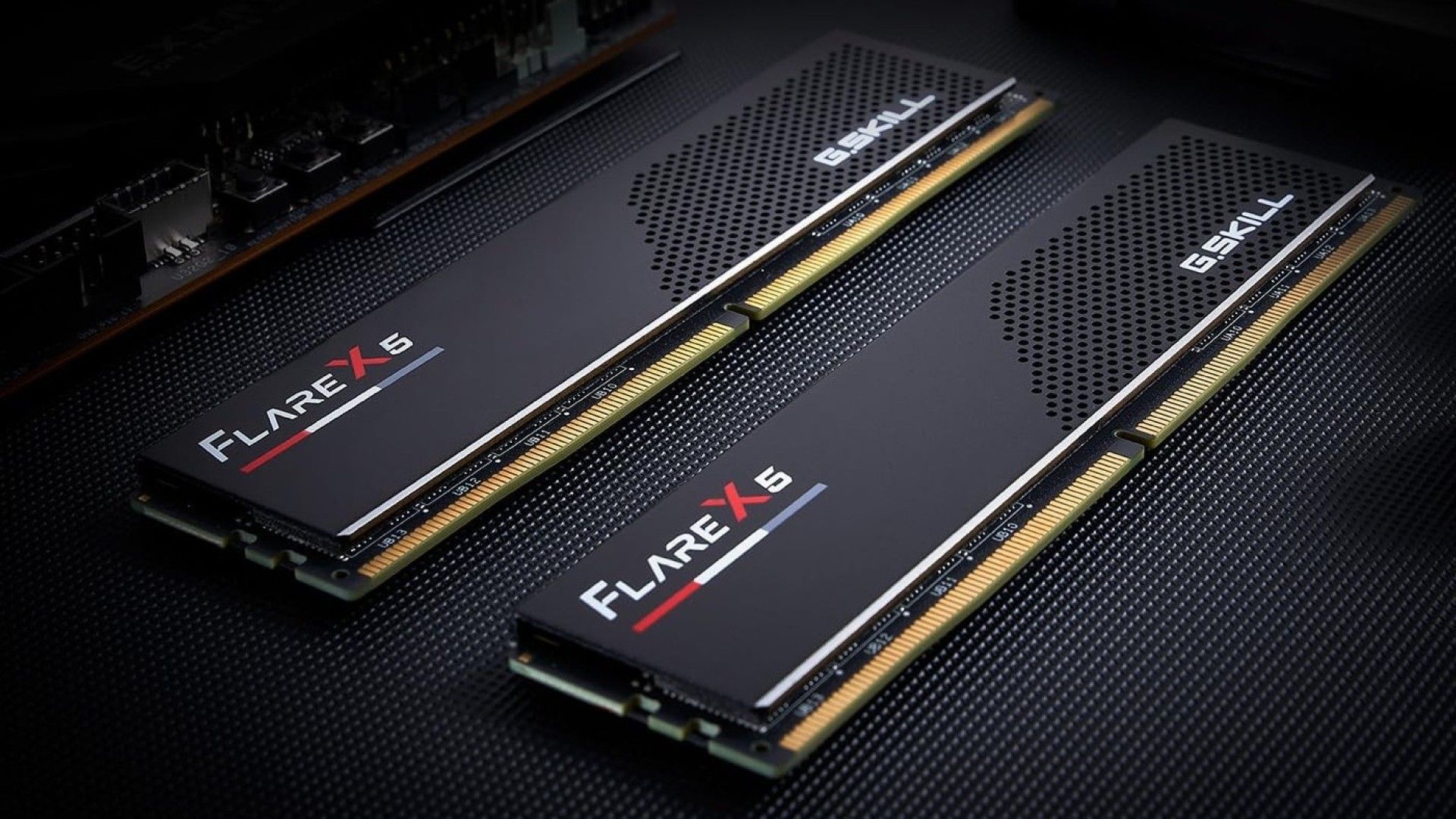
RAM prices, particularly for DDR5, have skyrocketed to over three times their September cost, thanks to OpenAI's massive deal to reserve 40% of global RAM stock for its 'Stargate' data center project, impacting PC builders, console prices, and other smart devices, according to Game Rant's James Ratcliff.
Right, so you know that feeling when you're just about to craft that legendary item in your favourite RPG, meticulously gathering all the rare components, only to find one of the most basic, common ingredients has suddenly become rarer – and pricier – than dragon's teeth? Yeah, mate, that's pretty much where we're at with PC RAM right now.
For anyone eyeing up a cheeky upgrade to their gaming rig, or even just dreaming of a shiny new console in the not-too-distant future, I've got some news that might make you want to grab a cuppa and brace yourself. It seems our digital wizardry has encountered a bit of a snag, and it's hitting our wallets harder than a rogue fireball to the face. RAM prices, particularly for the zippy DDR5, have gone absolutely bonkers, spiralling to over three times their cost from just a few months ago. We're talking about a 2x16GB kit of DDR5-6000 RAM jumping from a respectable $90 in September to a jaw-dropping $290 now. Bloody hell, that's a leap!
This whole wild ride, as first illuminated by James Ratcliff over at Game Rant in a recent article, really started with an October deal that sounds like something out of a sci-fi epic. Apparently, OpenAI – yes, *that* OpenAI, the ChatGPT folks – decided to go full sorcerer's apprentice, booking a massive chunk of the world's RAM supply. We're talking a colossal 40% of global stock, snatched up from manufacturing giants Samsung and SK Hynix. This isn't for a new game, mind you, but for their gargantuan 'Stargate' data center expansion, a four-year endeavour projected to cost a cool $500 billion. Five hundred *billion*! My spellbook doesn't even have a page for that kind of cash.
Now, when a company with that kind of magical budget decides to essentially corner the market on a vital component, it doesn't take a crystal ball to see what happens next. The ripple effect is already palpable. DDR5 RAM, the high-performance stuff that makes our modern gaming experiences so silky smooth, is feeling the biggest pinch. But don't think DDR4 is entirely safe from this market alchemy; it's seen its share of price hikes too, just not quite as eye-watering. Retailers, bless their cotton socks, are apparently so baffled by the daily fluctuations that places like Micro Center have reportedly ditched fixed prices altogether. You want RAM? You'll need to consult a sales associate, like haggling for a rare potion with a shifty merchant.
But here's where it gets interesting for us gamers beyond just our PC builds. This RAM price spike isn't just about making your next GPU upgrade feel lonely without its memory counterpart. Oh no, this is a much broader enchantment. Consoles, smartphones, and just about any modern smart device that relies on RAM to function – which is, well, *everything* – are going to feel the sting through at least 2025 and 2026. Rumours are already swirling that Microsoft is contemplating another price hike for Xbox consoles. And Valve, ever the enigmatic one, apparently hasn't even revealed the price for their new Steam Machine partly because they're stuck in this pricing limbo. It’s like the universe is conspiring to make our gaming dreams just a little bit more expensive, one memory module at a time.
It’s a peculiar twist of fate, isn't it? The very technology that promises to revolutionise our digital lives (and let's be fair, AI *is* fascinating) is inadvertently throwing a spanner in the works for the gaming industry. It makes you wonder about the unforeseen consequences of such massive technological pushes. We're all for innovation, truly, but when that innovation starts making core gaming components unattainable, it's fair to raise an eyebrow or two. Is this the cost of progress, or a chaotic side-effect we didn't quite foresee?
And speaking of AI getting a bit too big for its boots, it’s worth noting that the same OpenAI flexing its economic muscle to hoard RAM has also drawn the ire of some prominent Japanese game companies. Their products, like the Sora 2 video generator, are allegedly trained on materials resembling content from Square Enix and Bandai Namco, among others. It’s a curious duality: the insatiable hunger for hardware resources to build AI, paired with the somewhat cavalier approach to the data it’s trained on. Feels a bit like a wizard trying to build a new world-bending spell, but accidentally nicking a few pages from other mages' grimoires along the way, doesn't it?
So, what's a gamer to do? Well, for now, if you've already got your RAM, consider yourself lucky. Perhaps you snagged a deal when the market was calmer – like our original source, James Ratcliff, who got his DDR5-6000 kit for $90 before the storm hit. If you're in the market, it's a waiting game, a bit like hoping for that rare drop from a boss. Will prices stabilise? Only time will tell, but this cosmic dance between AI's boundless ambition and our humble gaming needs is certainly worth keeping an eye on. It’s a stark reminder that in this interconnected digital realm, one company's grand vision can inadvertently reshape the landscape for everyone else.
It's a bizarre, optimistically chaotic ride we're on, always full of surprises. Let's just hope the next spell cast by these tech titans is a bit more considerate of our gaming budgets, eh?
Tags: PC Gaming, Hardware, Industry Trends, Tech News, Gaming Economy
Original article: Game Rant